
Certificate Value Estimator
Certification Details
Fill in the details on the left to analyze your potential certification.
Here is the hard truth about certificates: most of them are just expensive paper. You can spend thousands of dollars and hundreds of hours on a generic "Digital Marketing" or "Project Management" certificate from a random platform, only to find that hiring managers barely glance at it. The market is flooded with credentials, making it nearly impossible to tell which ones actually move the needle for your career.
But not all certificates are created equal. Some act as golden tickets, opening doors to high-paying roles and exclusive networks. Others are merely participation trophies. If you are looking to upskill or pivot your career in 2026, you need to stop asking "Is this course good?" and start asking "Does this credential signal competence to the people who pay me?"
What makes a certificate valuable?
A certificate has value when it signals verified competence to employers. This usually means it comes from a recognized authority (like a university or major tech company), requires rigorous assessment (not just watching videos), and is directly tied to a specific, high-demand job role.
The Hierarchy of Credential Value
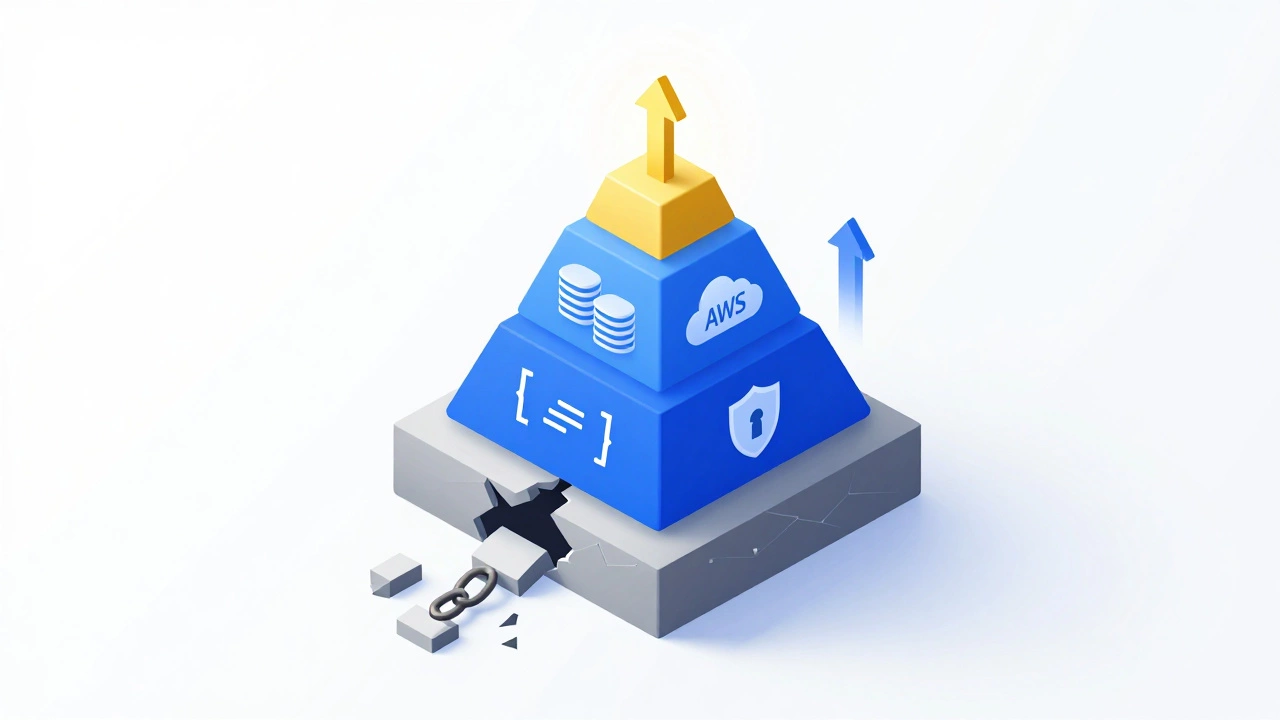
To understand which certificate has the most value, we have to look at the hierarchy of trust in the hiring world. At the bottom, you have completion badges. These are easy to get, require little effort, and prove almost nothing except that you clicked "next" on a video player. In the middle, you have industry-recognized certifications. These require passing exams, often with proctoring, and are backed by major organizations. At the top, you have licensure and accredited degrees, which are legally required or universally respected.
For most professionals seeking online courses, the sweet spot is the middle tier: industry-recognized certifications. But even within this tier, there is a massive difference in ROI (Return on Investment). Let's break down what drives that value.
1. Scarcity and Rigor
If anyone can pass the exam, the certificate is worthless. Think about it like a diploma from a school where everyone graduates regardless of grades. Employers know this. High-value certificates have low pass rates. They require preparation, study, and often practical experience. For example, the Certified Information Systems Security Professional (CISSP) is a globally recognized certification for experienced cybersecurity leaders. It requires five years of work experience just to sit for the exam. That barrier to entry creates scarcity, which drives value.
2. Industry Backing
Who issues the certificate matters more than who teaches the course. A certificate issued by AWS (Amazon Web Services) is the leading cloud computing platform provider. carries weight because AWS powers a significant portion of the internet. When you hold an AWS Solutions Architect certificate, you are signaling that you can work with the tools that run the modern web. Compare this to a "Cloud Computing Basics" certificate from an unknown e-learning site. The former opens doors; the latter fills a resume gap.
3. Direct Job Alignment
The most valuable certificates are those that map directly to a job description. If you want to be a data analyst, a certificate in SQL and Python from a reputable source is gold. If you want to be a project manager, the PMP (Project Management Professional) is the standard. Generic skills like "Communication" or "Leadership" rarely translate into high-value certificates unless they are part of an executive education program from a top-tier business school.
Top Certificates by Industry in 2026
Let's get specific. Which certificates actually pay off? Here are the heavy hitters across key industries, based on current hiring trends and salary data.
| Industry | Top Certificate | Issuing Body | Why It’s Valuable |
|---|---|---|---|
| Cloud Computing | AWS Certified Solutions Architect | Amazon Web Services | Market dominance, high demand for cloud architects |
| Data Science | TensorFlow Developer Certificate | Practical coding test, AI/ML boom | |
| Project Management | PMP (Project Management Professional) | PMI (Project Management Institute) | Global standard, required for senior roles |
| Cybersecurity | CompTIA Security+ / CISSP | CompTIA / (ISC)² | Entry-to-mid level security jobs require it |
| Digital Marketing | Google Analytics Certification | Free, essential for data-driven marketing |
Cloud Computing: The King of Tech Certs
If you are in tech, cloud certifications are non-negotiable. The shift to cloud infrastructure is complete, and companies need people who can build, secure, and optimize these environments. The AWS Certified Solutions Architect - Associate is a mid-level certification validating ability to design distributed systems on AWS. remains the gold standard. Why? Because AWS has the largest market share. Even if you use Azure or Google Cloud, understanding AWS architecture principles is highly transferable. The exam is tough, requiring knowledge of networking, security, and cost optimization. Passing it proves you can think like an architect, not just a user.
Data & AI: Proof of Skill Over Theory
In data science and AI, portfolios matter more than certificates. However, certificates can validate your technical chops. The TensorFlow Developer Certificate is a performance-based exam where candidates write code to solve ML problems. is unique because it doesn't rely on multiple-choice questions. You have to write actual code. This appeals to hiring managers because it demonstrates real-world ability. Similarly, Microsoft's Azure Data Scientist Associate is gaining traction as enterprises adopt Microsoft's AI stack.
Project Management: The Universal Language
Project management is one of the few fields where a single certificate dominates. The PMP (Project Management Professional) is the most recognized project management certification globally. issued by PMI is the benchmark. It is not easy to get-you need experience and education credits-but it pays off. Studies consistently show PMP holders earn significantly more than non-certified peers. It signals that you speak the common language of project delivery, risk management, and stakeholder communication.
Cybersecurity: Trust is Everything
In cybersecurity, trust is the product. Certificates here are often mandatory. For entry-level roles, CompTIA Security+ is an entry-level cybersecurity certification covering network security and compliance. is the baseline. For senior roles, CISSP is the goal. These certificates are valued because they align with government and corporate security standards. Without them, you may not even get past the HR filter.
Red Flags: Certificates to Avoid
Not every certificate is worth your time or money. Here are the red flags to watch out for:
- No Exam Required: If you don't have to take a test, it's not a certification; it's a receipt.
- Vague Titles: "Certified Digital Expert" or "Master of Business Strategy" mean nothing. Look for specific, industry-standard names.
- Unknown Issuers: If you haven't heard of the organization issuing the cert, employers probably haven't either.
- High Cost, Low Rigor: Be wary of programs charging thousands for a certificate that takes a weekend to complete.

How to Choose the Right Certificate for You
Don't just pick a popular certificate. Pick one that fits your career path. Ask yourself these questions:
- What jobs do I want? Look at 10 job postings for your target role. What certificates are mentioned repeatedly?
- Do I have the prerequisites? Some certs require work experience. Don't waste time studying for something you can't sit for yet.
- Is it maintained? Good certificates require continuing education. This ensures the knowledge stays current.
- What is the community like? Certificates with active communities (forums, local chapters) provide networking opportunities, which add hidden value.
The Bottom Line
The certificate with the most value is the one that solves a specific problem for an employer. It proves you can do the job, reduces their hiring risk, and aligns with industry standards. In 2026, with AI automating many tasks, human judgment and specialized technical skills are more valuable than ever. Certificates that validate these skills-through rigorous testing and recognized issuance-are your best bet for career growth.
Stop collecting certificates. Start investing in credentials. The difference is subtle but critical. One fills your shelf; the other fills your bank account.
Are free certificates worth anything?
Yes, if they come from reputable sources. Google Career Certificates and AWS Cloud Practitioner are examples of low-cost or free options that carry weight because they are backed by major tech companies. The value comes from the issuer, not the price tag.
How long does a certificate stay relevant?
Most industry certifications require renewal every 2-3 years through continuing education units (CEUs). This ensures your skills remain current. If a certificate never expires, it might be outdated already.
Can I get a high-value certificate without experience?
Some entry-level certs like CompTIA Security+ or AWS Cloud Practitioner do not require prior work experience. However, advanced certs like PMP or CISSP strictly enforce experience requirements to maintain their credibility.
Do universities offer better certificates than tech companies?
It depends on the field. For academic or research roles, university certificates are superior. For practical, hands-on tech roles, industry-specific certs from companies like Microsoft, Google, or AWS are often preferred because they focus on current tools and practices.
Is it better to have many small certificates or one big one?
Quality over quantity. One highly recognized, rigorous certificate (like PMP or CISSP) will outweigh ten generic completion badges. Hiring managers prefer depth and proven expertise over a wide but shallow collection of credentials.