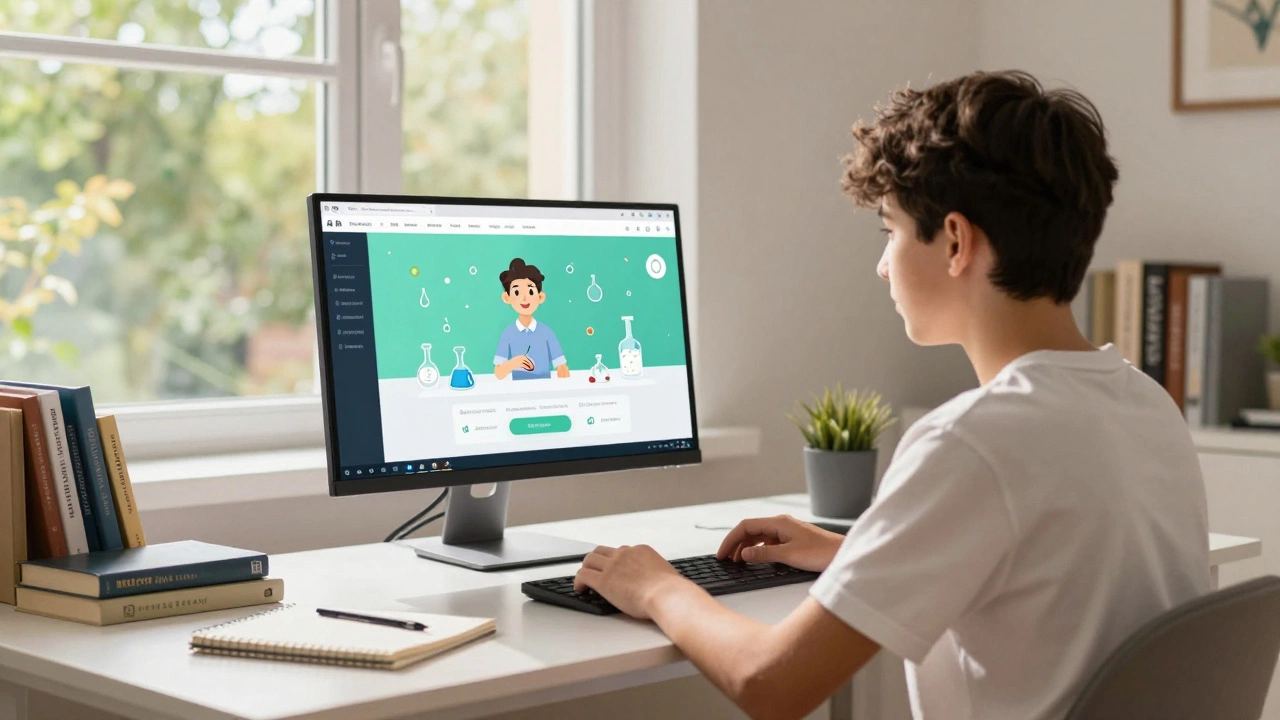
Online School Suitability Calculator
Answer the questions to see how well online school fits your profile.
0 / 15
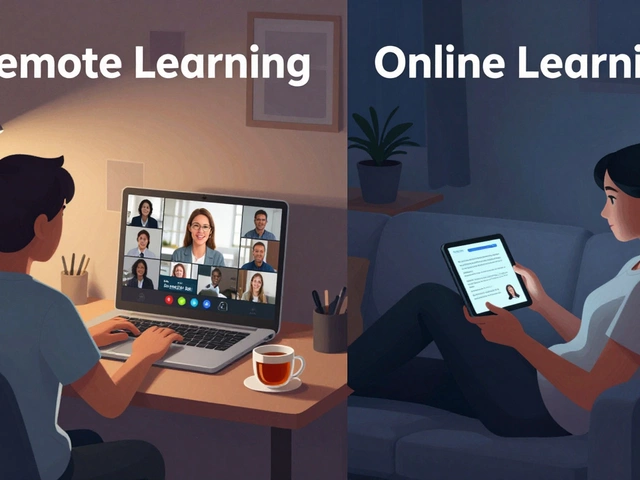
Remember the chaos of March 2020? Schools closed overnight. Laptops were shipped to doorsteps. Teachers learned Zoom while students tried to focus from their beds. Fast forward to June 2026, and that emergency pivot has become a permanent fixture for millions of families. But here is the question keeping parents up at night and educators debating: is online school an effective way to learn?
The short answer is yes. But it comes with a massive asterisk. It works brilliantly for some students and falls apart for others. The difference usually isn't about whether the internet can deliver content-it clearly can-but whether the specific student has the right support system, personality traits, and learning environment to make it stick.
What Does "Effective" Actually Mean?
Before we judge online schooling, we need to define what we are measuring. In traditional classrooms, "effectiveness" often meant test scores and attendance. In distance learning, which is an educational process where instruction is delivered remotely via technology, the metrics have shifted.
Research from the National Bureau of Economic Research (NBER) in 2024 showed that fully remote students scored slightly lower on standardized math tests compared to their in-person peers. However, those same students reported higher satisfaction levels and better time-management skills. So, is it effective? If your goal is pure test-score maximization, maybe not. If your goal is developing self-reliance and flexible scheduling, absolutely.
We also have to look at equity. During the pandemic, the "digital divide" was glaring. By 2026, broadband access has improved significantly, but it’s still not universal. For a student with high-speed fiber and a quiet home office, online school is a luxury. For a student sharing one laptop with three siblings in a noisy apartment, it’s a hurdle course.
The Cognitive Science Behind Remote Learning
Why do some kids thrive online while others struggle? It boils down to how our brains process information. Traditional schooling relies heavily on passive reception-sitting in a seat, listening to a teacher, taking notes. Online learning forces active engagement.
When you watch a video lecture, you can pause, rewind, and speed up. This control allows for self-paced learning, a method where students progress through material at their own speed rather than following a fixed class schedule. Studies suggest this reduces cognitive load. You aren't trying to keep up with the person next to you; you are keeping up with your own understanding.
However, there is a catch. The human brain craves social cues. We learn by watching faces, reading body language, and feeling the energy of a room. Screens filter out a lot of that nuance. Without deliberate effort, online classes can feel isolating. This is why the best digital programs now integrate synchronous (live) sessions specifically for discussion and debate, saving asynchronous (recorded) modules for lectures.
Who Thrives in an Online Environment?
Not every student is cut out for remote education. Here is who tends to succeed:
- The Self-Starter: These students don’t need a bell to tell them when to work. They manage their time well and resist distractions like social media or gaming.
- The Introvert: Large classrooms can be overwhelming. Online forums and small-group breakout rooms allow quieter students to participate more deeply without the anxiety of speaking in front of thirty people.
- The Specialized Learner: Students with rare interests (like advanced coding or niche arts) often find better resources online than in local schools, which may lack specialized teachers.
- The Athlete or Performer: Kids with rigorous training schedules benefit from the flexibility to study around practice times.
Conversely, students who rely heavily on external structure, peer motivation, or hands-on interaction often struggle unless the program is highly structured and supportive.
The Hidden Costs: Social and Emotional Development
School isn't just about algebra and history. It's where kids learn to navigate conflict, make friends, and understand social hierarchies. Critics of online schooling argue that removing the physical classroom stunts this development.
It’s a valid concern. But it’s not the whole story. Online students aren't isolated; they just interact differently. Discord servers, multiplayer games, and virtual clubs provide new social arenas. The key is intentionality. Parents must ensure their child has offline social outlets-sports teams, community groups, or family gatherings-to balance the screen time.
In 2025, a survey by the American Academy of Pediatrics noted that hybrid models (mixing online and in-person) actually reduced bullying incidents by 30% compared to fully traditional schools. Why? Because online environments can be moderated more easily, and shy students often feel safer expressing themselves digitally first.
Tools That Make Online Learning Work in 2026
Technology has evolved since 2020. Today’s platforms are smarter, more engaging, and less clunky. Here are the core tools driving modern distance learning:
| Tool Type | Function | Example |
|---|---|---|
| Learning Management System (LMS) | Central hub for assignments, grades, and communication | Canvas, Google Classroom |
| Adaptive AI Tutors | Personalized feedback based on student performance | Khanmigo, Century Tech |
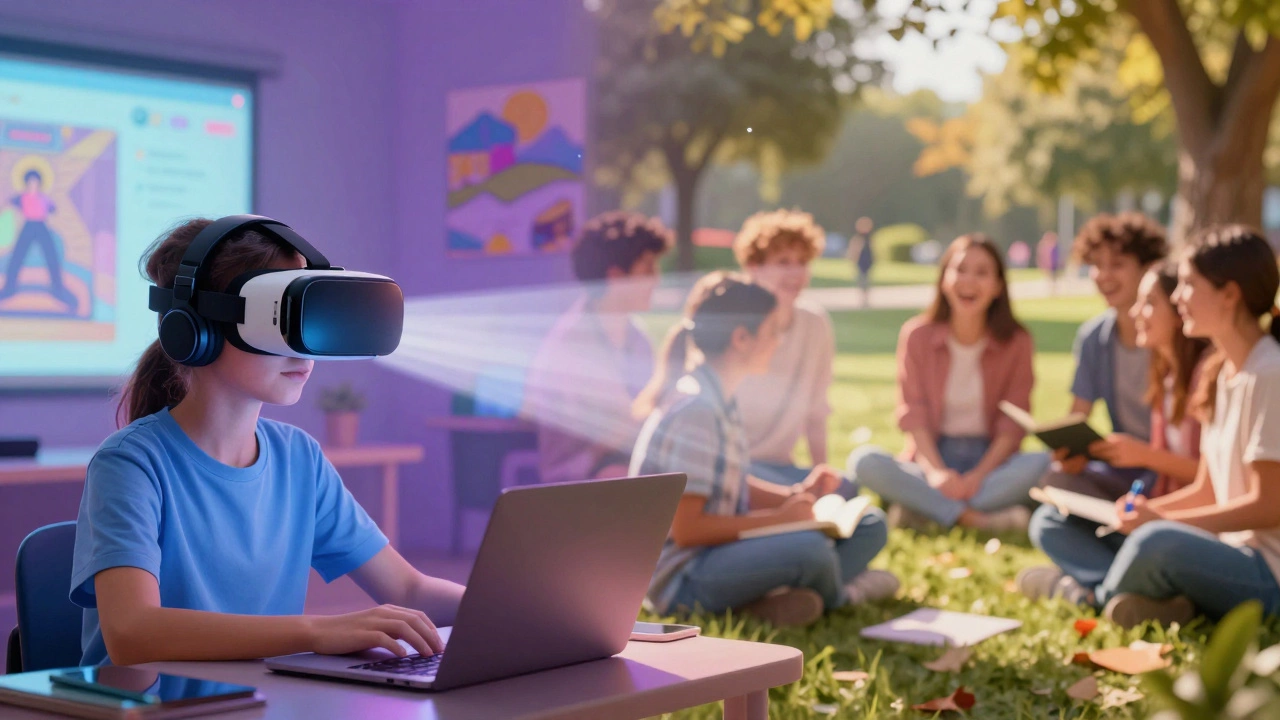
| Virtual Reality (VR) Labs | Immersive simulations for science and history | Mursion, Labster |
| Collaborative Whiteboards | Real-time brainstorming and problem-solving | Miro, Jamboard |
Notice the shift toward interactivity. It’s no longer just watching a video. It’s doing. VR labs let chemistry students mix dangerous chemicals safely. AI tutors provide instant help at 11 PM when a parent is asleep. These tools address the biggest weakness of early online learning: lack of immediate feedback.
How to Make Online School Work for Your Family
If you are considering online schooling, success depends on setup. Treat it like a real job. Here is a practical checklist:
- Create a Dedicated Space: A bedroom bed is not a desk. Set up a quiet area with good lighting and ergonomics. This signals to the brain: "It’s time to focus."
- Establish a Routine: Wake up, dress, and eat breakfast at consistent times. Structure creates stability.
- Limit Distractions: Use apps like Freedom or Cold Turkey to block social media during study hours. Yes, even for older teens.
- Schedule Social Time: Plan weekly meetups with friends or join online clubs. Isolation kills motivation.
- Check In Regularly: Don’t just ask, "Did you finish your homework?" Ask, "What was the hardest part today?" This encourages reflection and connection.
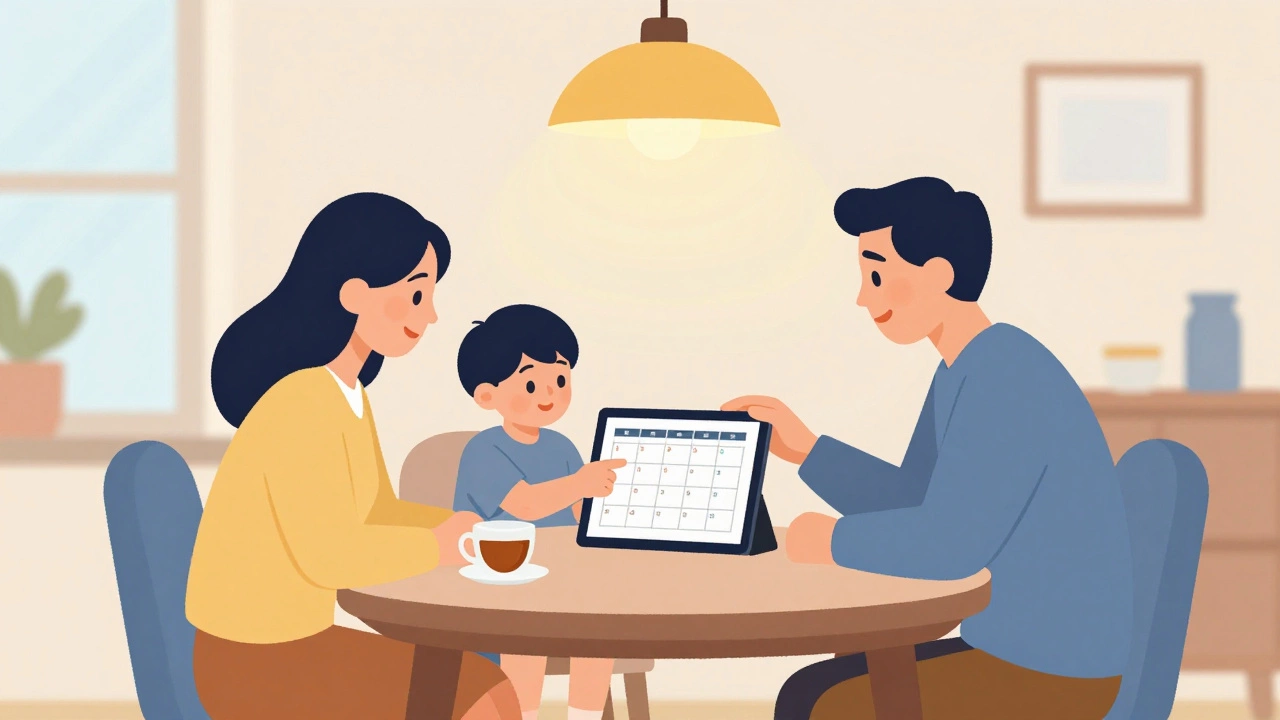
Parents should also stay involved, especially for younger students. You don’t need to teach the material, but you do need to be the project manager. Help them break big tasks into smaller chunks. Celebrate small wins.
The Verdict: Is It Right for You?
Online school is not a magic bullet. It won’t fix behavioral issues or replace the need for parental guidance. But for the right student, it offers freedom, flexibility, and personalized pacing that traditional schools simply cannot match.
The effectiveness of online learning hinges on two things: the quality of the program and the readiness of the learner. Choose a accredited program with strong teacher interaction. Assess your child’s self-discipline honestly. And remember, it’s okay to try it and switch back if it doesn’t fit. Education is not one-size-fits-all. In 2026, having choices is a privilege. Use them wisely.
Is online school recognized by colleges?
Yes, as long as the online school is accredited. Most top universities accept transcripts from accredited online high schools, including virtual charter schools and private online institutions. Always verify accreditation status before enrolling.
Do online students graduate on time?
Most online students graduate on time, and many accelerate their pace because they can move faster through subjects they master quickly. However, students who fall behind due to lack of structure may take longer. Consistent monitoring is key.
Is online school cheaper than traditional school?
Public online charter schools are typically free, funded by state taxes. Private online schools charge tuition, which can range from $3,000 to $15,000 per year. Savings come from reduced costs for uniforms, transportation, and lunch programs.
Can online school help with special needs?
For some students with autism, ADHD, or anxiety, online school provides a calmer, more controlled environment. However, IEPs (Individualized Education Programs) must be carefully managed to ensure necessary services like speech therapy are provided, either virtually or in-person.
How much screen time is too much?
The American Academy of Pediatrics suggests balancing screen time with physical activity and sleep. Aim for breaks every 20-30 minutes. Use blue-light filters and ensure non-screen hobbies are part of the daily routine to prevent eye strain and mental fatigue.