Have you ever signed up for a course only to realize it wasn’t what you expected? Maybe you thought you’d be joining live video sessions, but instead, you got a pile of PDFs and a forum thread that hasn’t been updated since 2019. Or perhaps you wanted flexibility, but the "online" class required you to log in at exactly 9:00 AM every Tuesday. If this sounds familiar, you’re not alone. The terms remote learning and online learning are thrown around interchangeably, yet they describe two very different educational experiences.
Understanding the distinction isn’t just about semantics; it affects how you study, how much time you need to commit, and whether you’ll actually finish the course. Let’s break down exactly what sets these two apart, so you can choose the right path for your life.
The Core Distinction: Synchronous vs. Asynchronous
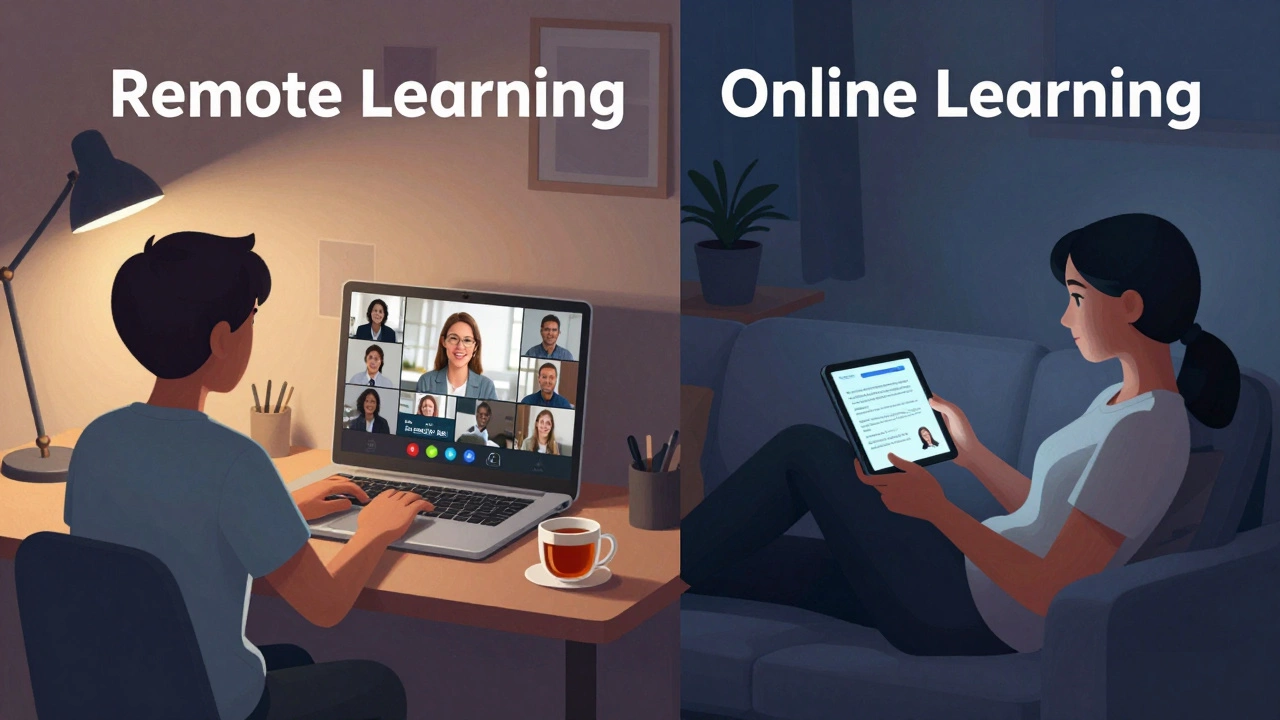
At its heart, the difference comes down to timing. Think of Online learning as education delivered via the internet, which can happen at any time or place. It is the broad umbrella term. Under this umbrella, you have both synchronous (live) and asynchronous (self-paced) options. When people say "I’m taking an online degree," they might mean they watch recorded lectures on their lunch break or join a Zoom call after work.
Remote learning, on the other hand, usually refers to a specific mode of instruction where students learn from a distance, often mirroring a traditional classroom schedule but without physical presence. In many contexts, especially post-2020, "remote learning" implies a synchronous experience. You are still attending "class," just through a screen. Your teacher expects you to be there when the bell rings. The curriculum moves forward together as a group.
So, if online learning is the medium (the internet), remote learning is often the method (live, distant participation). However, because language evolves quickly, schools and companies use these labels loosely. Always check the syllabus for keywords like "live sessions," "real-time," or "self-paced" rather than relying solely on the title.
How Remote Learning Works in Practice
When you engage in remote learning, you are essentially replicating the structure of a brick-and-mortar school or office environment, but digitally. This model relies heavily on synchronous tools. You might use platforms like Zoom or Microsoft Teams for daily stand-ups or lectures.
- Scheduled Interaction: You have set times to interact with instructors and peers. This mimics the routine of a traditional job or school day.
- Real-Time Feedback: If you raise your hand (virtually), the instructor answers immediately. This helps clarify confusion on the spot.
- Structured Curriculum: Deadlines are fixed. Everyone submits their assignment on Friday at midnight. There is little room for negotiation unless you have an emergency.
This approach works well for people who thrive on routine. If you struggle with procrastination, the external pressure of a live class keeps you accountable. However, it requires a stable internet connection and a quiet space during specific hours. For parents working from home or shift workers, this rigidity can be a major hurdle.
The Flexibility of Online Learning
Now, let’s look at the asynchronous side of the spectrum, often labeled simply as online learning or e-learning. Here, the internet is the delivery mechanism, but time is fluid. You might enroll in a certification course on Coursera or a university extension program. You don’t talk to the professor live. Instead, you watch pre-recorded videos, read articles, and post comments on discussion boards.
The key advantage here is autonomy. You decide when to learn. Did you pull an all-nighter at work? No problem. You can start your module at 10:00 AM the next day. This model supports diverse lifestyles, including night owls, early risers, and those caring for young children.
However, this freedom comes with a cost: discipline. Without a live instructor watching over your shoulder, it is easy to fall behind. The lack of immediate social interaction can also lead to feelings of isolation. Many students find themselves stuck on a concept for days because they have to wait for a forum reply rather than getting instant help.
Key Differences at a Glance
To make the decision easier, let’s compare the two models across several critical dimensions. Note that while "online learning" is the broader category, we are comparing the typical asynchronous online course against the typical synchronous remote learning setup.
| Feature | Remote Learning (Synchronous) | Online Learning (Asynchronous) |
|---|---|---|
| Schedule | Fixed times; real-time attendance required | Flexible; learn at your own pace |
| Interaction | High; live Q&A and group discussions | Low to Medium; forum posts and emails |
| Discipline Required | Moderate; structure is provided by the institution | High; self-motivation is essential |
| Technology Needs | Stable high-speed internet for video calls | Basic internet access for downloading content |
| Best For | Students seeking routine and social connection | Working professionals and busy parents |
Which One Fits Your Lifestyle?
Choosing between these models depends less on the technology and more on your personal habits and current responsibilities. Ask yourself these questions before enrolling:
- Do you have a rigid work schedule? If your job ends at 5:00 PM, a remote learning class at 6:00 PM might work. But if your shifts vary, asynchronous online learning is safer.
- Are you a visual or auditory learner? Some people absorb information better by listening to a live lecture. Others prefer reading transcripts and re-watching videos multiple times. Asynchronous courses often provide both.
- Do you need community? If studying alone makes you anxious, remote learning offers peer support. You see faces, hear voices, and build relationships. Online learning can feel lonely unless you actively seek out study groups.
- What is your internet situation? Live video streaming consumes significant bandwidth. If your connection is spotty, trying to join a remote class can be frustrating. Downloading materials for offline viewing (common in asynchronous online learning) is more forgiving.
The Blurring Lines: Hybrid Models
In 2026, the line between remote and online learning is becoming increasingly fuzzy. Many institutions now offer hybrid models. For example, a course might be primarily asynchronous (online learning) but require one live session per month (remote learning element) for exams or networking. These programs aim to capture the best of both worlds: flexibility and connection.
When evaluating such programs, look closely at the "contact hours." How many hours per week must you be online simultaneously? If the answer is zero, it’s purely asynchronous. If it’s five or more, it leans heavily toward remote learning. Understanding this balance helps you manage your expectations and avoid burnout.
Tools That Define the Experience
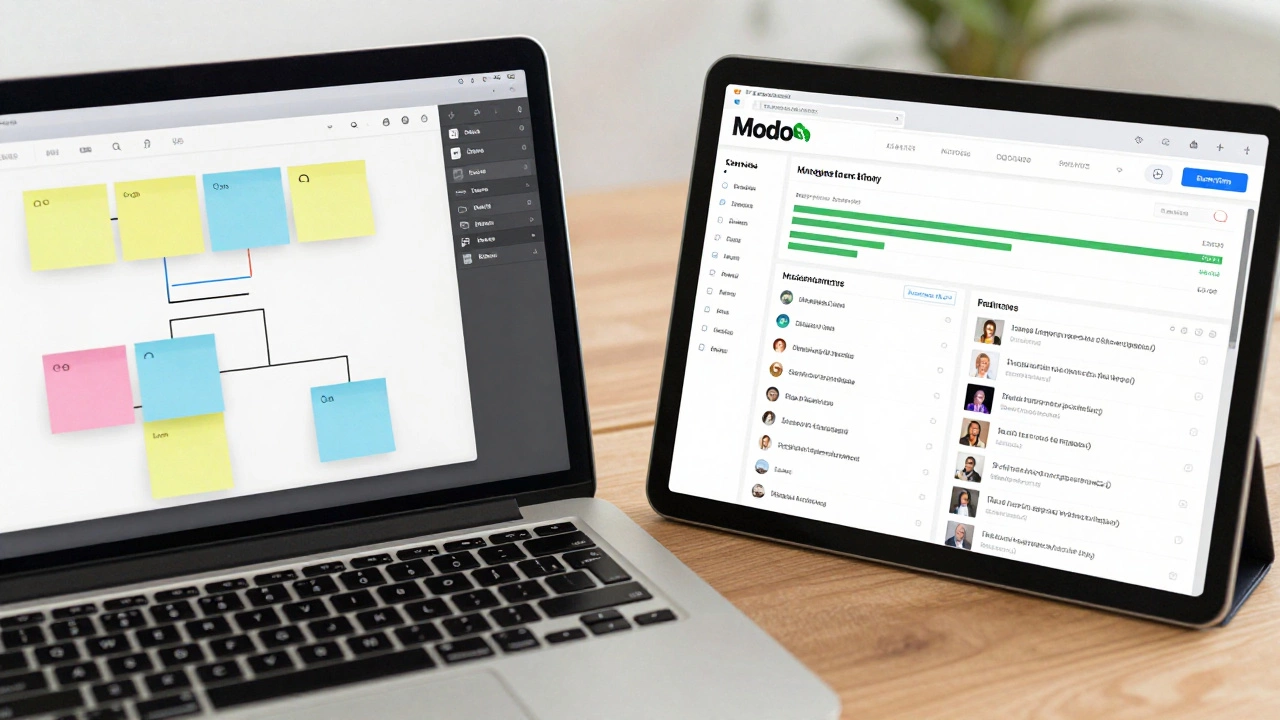
The software you use shapes the learning experience. Remote learning relies on communication-heavy tools. Google Meet, Webex, and interactive whiteboards like Miro are staples. These tools facilitate real-time collaboration, allowing teams to brainstorm together as if they were in the same room.
Conversely, asynchronous online learning depends on Learning Management Systems (LMS) like Canvas, Blackboard, or Moodle. These platforms host quizzes, assignments, and discussion forums. They track your progress over weeks or months, sending automated reminders when deadlines approach. The interface is designed for navigation and storage, not real-time conversation.

Impact on Learning Outcomes
Does one method produce better results than the other? Research suggests it depends on the subject matter and the student’s maturity. For complex skills requiring demonstration-like public speaking or laboratory techniques-synchronous remote learning is often superior. You need immediate correction and feedback. Watching a recorded video of someone titrating chemicals doesn’t help you fix your own hand movements in real time.
For theoretical knowledge, such as history or coding syntax, asynchronous online learning is highly effective. Students can pause, rewind, and review material until it clicks. A study by the U.S. Department of Education found that online learners performed slightly better than those receiving face-to-face instruction, primarily due to the ability to control the pace of learning. However, this benefit diminishes if the student lacks self-regulation skills.
Troubleshooting Common Pitfalls
Regardless of which path you choose, challenges will arise. Here is how to handle them:
- Zoom Fatigue: If remote learning leaves you drained, take breaks between sessions. Step away from the screen. Use the "gallery view" sparingly to reduce cognitive load.
- Procrastination: If online learning leads to delays, create artificial deadlines. Tell a friend you will send them your essay draft by Wednesday, even if the actual deadline is Sunday.
- Isolation: Join online communities related to your course. Reddit threads, LinkedIn groups, or Discord servers can provide the peer support missing from asynchronous courses.
- Technical Issues: Always have a backup plan. Keep a mobile hotspot ready for remote classes. Download course materials ahead of time for online learning.
Final Thoughts on Choosing Your Path
There is no universally "better" option. Remote learning offers structure, community, and immediate feedback, making it ideal for those who need accountability. Online learning provides flexibility, autonomy, and convenience, suiting those with unpredictable schedules. The key is to align the format with your current life circumstances. Be honest about your discipline levels and time availability. By understanding these differences, you can select an educational path that fits seamlessly into your life, rather than fighting against it.
Is remote learning the same as distance learning?
Distance learning is the broadest term, encompassing any education where the teacher and student are separated by space. This includes correspondence courses via mail, radio, TV, and the internet. Remote learning is a modern subset of distance learning that specifically uses digital tools to replicate a classroom experience. So, all remote learning is distance learning, but not all distance learning is remote learning.
Can I get a degree through asynchronous online learning?
Yes, many accredited universities offer fully asynchronous degrees. These programs are popular among working adults. The rigor is the same as on-campus or synchronous programs; the only difference is the timing of your interactions. Ensure the institution is regionally accredited to guarantee your degree holds value in the job market.
Which is better for K-12 students: remote or online?
For younger students, synchronous remote learning is generally preferred. Children and teenagers often need more structure, supervision, and social interaction to stay engaged. Asynchronous online learning can be challenging for K-12 students unless they have strong parental support and self-discipline, which varies widely by age.
Do employers value remote learning certificates differently?
Most employers do not distinguish between the delivery methods. They care about the accreditation of the institution and the relevance of the skills learned. Whether you took a live remote class or a self-paced online course, the certificate looks the same on your resume. Focus on the quality of the curriculum and the reputation of the provider.
How do I switch from remote to online learning if my schedule changes?
If you are enrolled in a synchronous remote program and can no longer attend live sessions, contact your instructor or academic advisor immediately. Some programs allow you to switch to an asynchronous track or defer your enrollment to a later term. Policies vary by institution, so check the withdrawal or transfer guidelines early to avoid failing grades.