It is 8:00 PM. The exam is in eight hours. You have a textbook that looks like it weighs as much as a small dog, and your brain feels like it’s running on empty. Panic sets in. Your heart rate spikes. You think you’re doomed.
Stop. Breathe. You are not doomed.
While last-minute studying isn’t ideal for deep learning, it is surprisingly effective for short-term recall if you do it right. Most students waste their final hours highlighting text they’ve already read or re-reading notes passively. That is a recipe for failure. To pull this off, you need to switch from 'learning mode' to 'performance mode.' This means prioritizing high-yield information, active recall, and biological maintenance over sheer volume of hours.
The Triage Method: What to Keep and What to Drop
You cannot learn everything tonight. Accepting this is the first step to passing. If you try to cover every single detail, you will retain none of them. Instead, treat your study material like a patient in an emergency room. You need to triage.
Look at your syllabus, lecture slides, or past quizzes. Identify the topics that carry the most weight. Usually, 20% of the material accounts for 80% of the grade. Focus exclusively on that 20%. Ask yourself: "What concepts did the professor spend the most time on?" or "What appeared on previous homework assignments?" These are your priority zones.
Ignore the fine print. Do not memorize dates, minor definitions, or complex derivations unless they were explicitly marked as critical. Aim for broad conceptual understanding rather than granular detail. If you understand the 'why' and 'how,' you can often infer the 'what' during the test.
Active Recall: The Only Technique That Matters Now
Passive review is the enemy of last-minute prep. Reading your notes gives you the illusion of competence because the information looks familiar. But familiarity is not mastery. When you sit down for the exam, that familiarity will vanish.
You need Active Recall, which is a learning technique where you actively stimulate your memory during the learning process. Here is how to apply it when time is short:
- Cover and Recite: Look at a heading or a key term. Cover the explanation. Try to explain it out loud in simple terms. If you stumble, look back, then try again. Repeat this until you can say it without looking.
- The Blank Page Test: Take a sheet of paper. Write down everything you know about a major topic. No cheating. Once you’re stuck, check your notes. Fill in the gaps in a different color pen. Those gaps are what you need to focus on next.
- Teach It to an Imaginary Audience: Stand up and walk around your room. Pretend you are teaching the concept to a confused student. If you can’t explain it simply, you don’t understand it well enough to pass.
This method forces your brain to build neural pathways under pressure, which is exactly what you’ll need when the exam starts. It feels harder than reading, but that difficulty is a sign that learning is happening.
Biological Hacks: Sleep, Food, and Caffeine
Your brain is a physical organ. It runs on glucose, oxygen, and rest. Ignoring your biology while trying to cram is like trying to run a marathon with a broken leg. You might start, but you won’t finish.
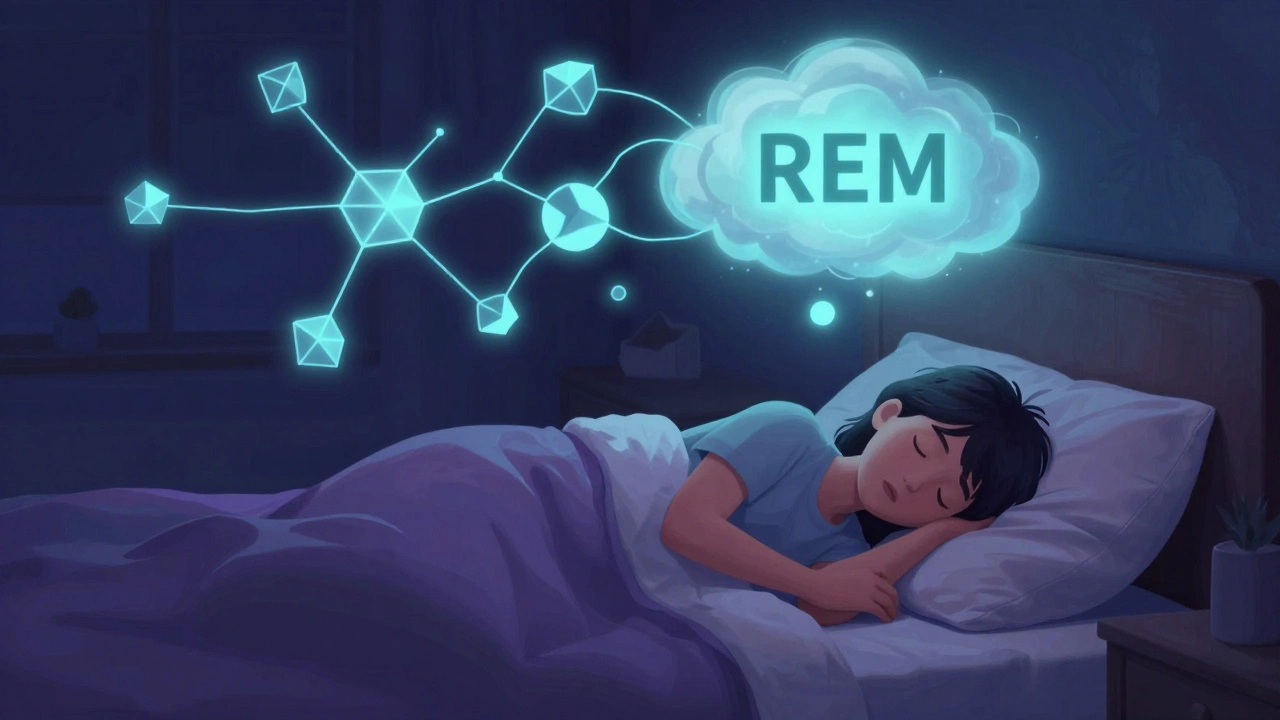
Sleep is non-negotiable. Many students pull all-nighters, thinking more hours awake equals more knowledge retained. Science says otherwise. During sleep, specifically during REM cycles, your brain consolidates memories. It moves information from short-term storage to long-term storage. If you skip sleep, you lose the ability to retrieve the data you just crammed. Aim for at least four to five hours of quality sleep. Set an alarm, put your phone away, and rest.
Regarding food, avoid heavy, carb-loaded meals that cause energy crashes. Stick to light, protein-rich snacks like nuts, yogurt, or fruit. Hydration is equally important. Dehydration leads to brain fog and headaches. Keep water nearby, but don’t chug gallons right before bed to avoid waking up frequently.
Caffeine is a double-edged sword. It can help you stay alert, but too much causes jitters and anxiety, which impair cognitive function. Limit yourself to one cup of coffee or tea early in the evening. Avoid caffeine within six hours of your intended bedtime.

Creating a Distraction-Free Zone
In the final hours, your attention span is fragile. Every notification, every social media scroll, and every household noise is a threat to your focus. You need to create a sterile environment for studying.
Put your phone in another room. Turn off Wi-Fi on your computer if you don’t need it for research. Use website blockers if necessary. Tell family members or roommates that you are unavailable for the next few hours. Clear your desk of everything except the materials you are currently working on. Visual clutter creates mental clutter.
If you find yourself zoning out, use the Pomodoro Technique. Study for 25 minutes, then take a 5-minute break. During the break, stand up, stretch, and look out a window. Do not check your phone. This rhythm keeps your brain fresh and prevents burnout.
Managing Panic and Anxiety
Anxiety is natural when you’re unprepared. However, panic shuts down the prefrontal cortex-the part of your brain responsible for logical thinking and memory retrieval. You need to keep your nervous system calm.
If you feel overwhelmed, stop. Close your eyes. Take ten deep breaths. Inhale for four seconds, hold for four, exhale for four. This signals your body to lower cortisol levels. Remind yourself that you only need to pass, not ace. Lowering the stakes reduces pressure.
Visualize success. Imagine yourself sitting in the exam hall, feeling calm, and recalling answers easily. This mental rehearsal primes your brain for positive outcomes. Avoid negative self-talk like "I’m going to fail." Replace it with "I am prepared enough to handle this."
The Morning Of: Strategy Over Cramming
Do not study new material on the morning of the exam. Your brain is still waking up, and introducing new information will only increase confusion and anxiety. Instead, do a quick review of your cheat sheets or key formulas. Glance over the main headings. This reinforces what you already know without adding cognitive load.
Eat a balanced breakfast with complex carbohydrates and protein. Oatmeal with berries and nuts is a great option. It provides sustained energy without a sugar crash. Arrive at the exam location early. Rushing increases stress hormones. Give yourself time to settle in, find your seat, and mentally prepare.
| Do | Don't |
|---|---|
| Use active recall (testing yourself) | Passively re-read notes or textbooks |
| Focus on high-yield topics (80/20 rule) | Try to memorize every detail |
| Sleep at least 4-5 hours | Pull an all-nighter |
| Take regular breaks (Pomodoro) | Study for 3+ hours straight |
| Eat light, protein-rich snacks | Consume heavy, sugary meals |
During the Exam: Tactical Execution
When you get the test, don’t dive in immediately. Spend the first two minutes scanning the entire exam. Identify questions you know the answers to. Answer those first. This builds confidence and ensures you get easy points secured.
For difficult questions, write down any relevant formulas or key terms on the scratch paper immediately. Sometimes, seeing the word triggers a memory. If you’re stuck, move on. Come back later. Often, the answer will pop into your head while you’re working on something else.
Manage your time strictly. If there are 10 questions and you have 60 minutes, allocate 6 minutes per question. If you’re spending more than that, guess and move on. Leaving blanks guarantees zero points; guessing gives you a chance.
Finally, check your work. If you have time left, review your answers. Look for silly mistakes, misread questions, or incomplete sentences. Even five minutes of review can boost your score significantly.
Is it better to pull an all-nighter or sleep before an exam?
Sleep is almost always better. While an all-nighter gives you more hours to study, sleep deprivation severely impairs memory retrieval and cognitive function. Your brain needs sleep to consolidate the information you've learned. Aim for at least 4-5 hours of sleep to ensure your brain can access the material during the test.
What is the most effective way to study in one night?
The most effective method is active recall combined with triage. First, identify the most important topics (the 20% that likely make up 80% of the exam). Then, test yourself on these topics using practice questions, flashcards, or by explaining concepts out loud. Avoid passive reading, as it does not strengthen memory pathways effectively.
Can I really learn new material the night before?
You can memorize facts and formulas, but true understanding is difficult to achieve in one night. Focus on memorizing key definitions, equations, and main concepts. For complex theories, aim for a general overview rather than deep details. Prioritize breadth over depth to ensure you can answer a wider range of questions.
What should I eat before studying late at night?
Choose light, protein-rich snacks that provide steady energy without causing a sugar crash. Good options include nuts, Greek yogurt, fruit, or whole-grain crackers with cheese. Avoid heavy, fatty meals or high-sugar foods, as these can lead to drowsiness and fatigue. Stay hydrated with water, but limit caffeine intake in the evening.
How do I stop panicking during last-minute studying?
Acknowledge your anxiety but don't let it control you. Practice deep breathing exercises to calm your nervous system. Break your study session into small, manageable chunks using the Pomodoro Technique. Focus on what you can control-your effort and strategy-rather than worrying about the outcome. Remind yourself that partial knowledge is still valuable.