Autism Support & Eligibility Checker
Step 1: Select the individual's primary challenges
Select all options that apply. This will help determine the most appropriate level of support.
Significant Academic Struggles
Needs specialized instruction beyond general curriculumAccess Barriers Only
Can learn in general ed with minor adjustmentsSensory Overload
Overwhelmed by lights, sounds, or texturesCommunication Challenges
Difficulty with verbal or non-verbal expressionSocial Integration Issues
Struggles with peer interactions and social cuesExecutive Function Difficulties
Problems with organization, planning, or transitionsRecommended Support Plan
Selected Challenges:
Key Insight
Under IDEA, autism is one of 13 disability categories. Having a diagnosis doesn't automatically guarantee an IEP—the key criterion is whether autism impacts educational performance.
Walk into any school district office or browse a government website, and you will see the term "special needs" everywhere. It appears on forms, in policy documents, and in casual conversation. But if you are autistic, or have an autistic child, you might wonder: does this label actually fit? Is autism considered a special need?
The short answer is yes. In the context of education, healthcare, and social services, autism spectrum disorder (ASD) is classified under the umbrella of special needs. However, the reality is much more complex than a simple checkbox. The term "special needs" is a broad legal and administrative category, while autism is a specific neurodevelopmental condition. Understanding the difference between the label and the lived experience is crucial for accessing the right support without feeling defined by it.
What Does "Special Needs" Actually Mean?
To understand where autism fits, we first need to unpack what "special needs" means. This phrase is not a medical diagnosis. You won't find "special needs" in the Diagnostic and Statistical Manual of Mental Disorders (DSM-5) used by psychiatrists. Instead, it is an educational and social services term.
In the United States, the term gained its legal weight through the Individuals with Disabilities Education Act (IDEA). IDEA mandates that public schools provide a Free Appropriate Public Education (FAPE) to children with disabilities. To qualify for these services, a child must fall into one of thirteen specific disability categories defined by the law. Autism is one of those categories.
When people say someone has "special needs," they usually mean that person requires additional accommodations, resources, or support to navigate daily life, school, or work effectively. It is a functional description, not a personality trait. For example, a student who is blind has special needs because they require braille materials or screen readers. An autistic student has special needs because they may require sensory-friendly environments or structured communication supports.
How Autism Fits Into the Legal Framework
Under IDEA, autism is explicitly listed as a disability category. This means that if a child’s autism affects their educational performance, they are eligible for an Individualized Education Program (IEP). An IEP is a legally binding document that outlines specific goals, services, and accommodations tailored to the student’s unique profile.
It is important to note that having an autism diagnosis does not automatically guarantee an IEP. The key criterion is impact. If a child is autistic but thriving in a general education classroom without extra help, they might not be considered to have "special needs" in the educational sense, even though they are still autistic. Conversely, a child with mild autism who struggles significantly with social integration or sensory overload would definitely qualify for special education services.
Beyond education, the Americans with Disabilities Act (ADA) protects autistic individuals in employment and public spaces. Here, autism is recognized as a disability that entitles individuals to reasonable accommodations, such as flexible scheduling, noise-canceling headphones, or clear written instructions instead of vague verbal cues.
The Debate Over Language: Label vs. Identity
While "special needs" is the standard administrative term, many in the autistic community have mixed feelings about it. Some view it as outdated or patronizing. Others embrace it as a necessary tool for securing rights. This tension reflects a broader shift in how society views neurodivergence.
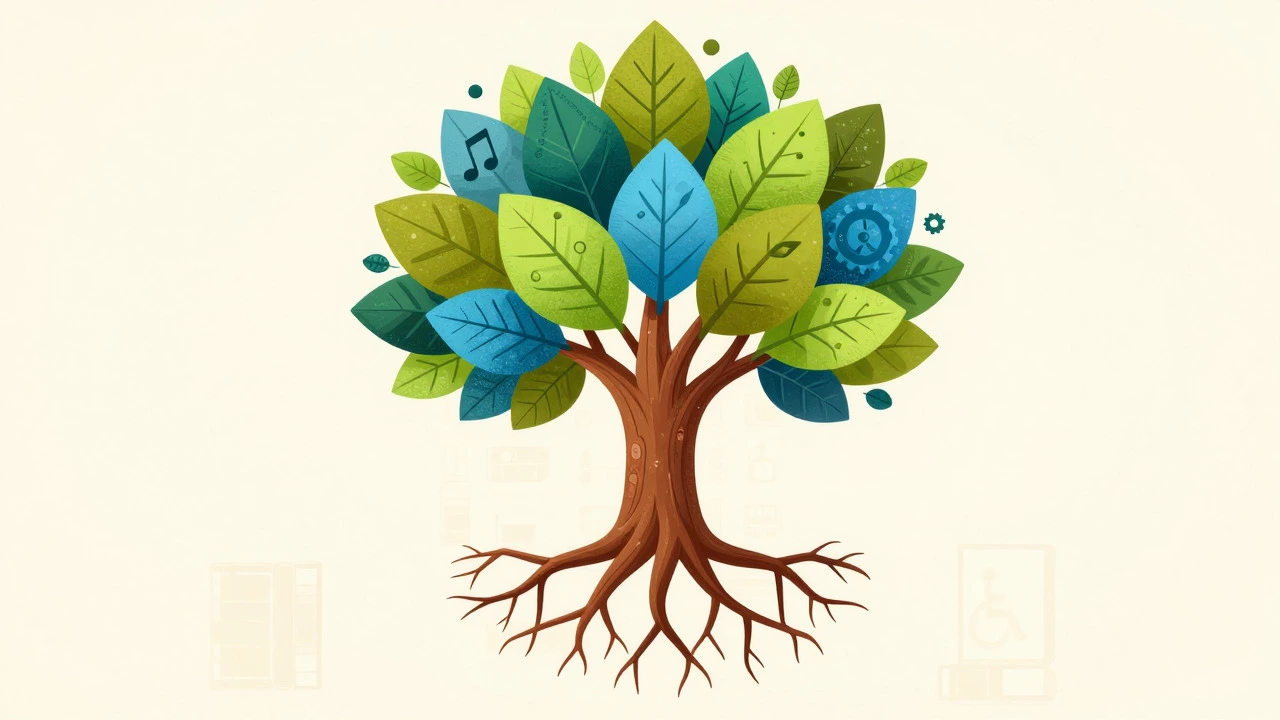
Critics of the term argue that "special needs" implies that autistic people are broken or less than whole. They prefer terms like "neurodivergent" or simply "autistic." The Neurodiversity Movement challenges the idea that neurological differences are deficits. Instead, it frames autism as a natural variation in human cognition, much like biodiversity in nature.
However, there is a practical side to this debate. When you walk into a school board meeting, saying your child is "neurodivergent" might sound poetic, but it won’t trigger the legal machinery required to get them a speech therapist. "Special needs" is the key that unlocks the door to funding and services. Many parents and advocates use both languages: embracing neurodiversity in their identity while using "special needs" terminology when navigating bureaucratic systems.

Sensory Processing and Daily Life Accommodations
One of the most concrete ways autism manifests as a "special need" is through sensory processing differences. Many autistic people experience the world with heightened or diminished sensitivity to light, sound, texture, and smell. This is not a choice; it is a neurological reality.
Consider a typical grocery store. For a neurotypical person, the hum of freezers and the chatter of shoppers might be background noise. For an autistic person, these sounds can be physically painful or overwhelming, leading to sensory overload or meltdowns. In this context, the "special need" is an environment that minimizes sensory triggers. This could mean shopping during off-hours, wearing noise-canceling headphones, or using visual schedules to predict transitions.
In schools, these needs translate into specific accommodations. An autistic student might be allowed to take tests in a quiet room rather than a bustling cafeteria. They might use a weighted blanket during nap time to regulate their nervous system. These are not privileges; they are essential adjustments that level the playing field.
| Support Type | Description | Who Qualifies? |
|---|---|---|
| IEP | Legally binding plan for specialized instruction and related services. | Students whose disability adversely affects educational performance. |
| 504 Plan | Accommodations for students who do not need specialized instruction but need access to learning. | Students with disabilities who can learn in general education with minor adjustments. |
| Related Services | Therapies such as speech-language pathology, occupational therapy, or counseling. | Students identified as needing these services to benefit from special education. |
Beyond Childhood: Adult Autism and Special Needs
The conversation around "special needs" often stops at age 22, when students leave high school. But autism is a lifelong condition. Do adults with autism still have special needs? Absolutely, though the terminology shifts slightly.
In the adult world, "special needs" often translates to "disability benefits" or "vocational rehabilitation." An autistic adult might need support finding employment that matches their strengths and accommodates their challenges. They might require assistance with independent living skills, such as budgeting, cooking, or managing appointments.
Programs like Supported Employment help autistic adults find and keep jobs. Job coaches might teach workplace social norms or help negotiate accommodations with employers. These services recognize that while an autistic person may be highly skilled, the barrier to success is often the environment, not the individual’s capability.
Healthcare is another area where special needs status matters. Autistic adults often face higher rates of co-occurring conditions like anxiety, depression, or gastrointestinal issues. Navigating the healthcare system can be daunting due to communication barriers or sensory sensitivities. Having a designated advocate or using simplified medical forms can be critical accommodations.
Common Misconceptions About Autism and Special Needs
Misunderstandings about autism persist, leading to incorrect assumptions about what "special needs" entails. Let’s clear up a few common myths.
- Myth: All autistic people need intensive care. Reality: Autism is a spectrum. Some individuals may require 24/7 support, while others live independently and hold demanding careers. The level of need varies widely.
- Myth: "High-functioning" autistic people don’t have special needs. Reality: Functioning labels are misleading. A person who speaks fluently might struggle immensely with executive function, social exhaustion, or sensory pain. Their needs are just different, not absent.
- Myth: Special needs services are only for academic learning. Reality: Services include social skills training, behavioral support, physical therapy, and emotional regulation strategies. The goal is holistic development, not just reading and math.
Navigating the System: Tips for Families and Individuals
If you are seeking support, knowing where to start can feel overwhelming. Here are practical steps to ensure you get the help you need.
- Get a Formal Diagnosis: While self-identification is valid, a formal diagnosis from a qualified professional (psychologist, psychiatrist, or developmental pediatrician) is usually required for school and government services.
- Request an Evaluation: If your child is struggling in school, submit a written request for a special education evaluation to the school district. Keep a copy of this letter.
- Know Your Rights: Familiarize yourself with IDEA and Section 504 of the Rehabilitation Act. Parent training centers in each state offer free guidance on these laws.
- Be Specific in Requests: Instead of saying "my child needs help," specify "my child needs a visual schedule to transition between classes" or "my child needs a quiet space for breaks." Concrete requests are easier to approve.
- Advocate Consistently: Systems are designed to move slowly. Follow up regularly, attend meetings prepared with data, and build relationships with teachers and administrators.
Conclusion: Embracing Support Without Stigma
So, are autistic people considered special needs? Legally and administratively, yes. This classification is not an insult; it is a mechanism for equity. It acknowledges that the world was largely built for neurotypical brains and that adjustments are necessary for autistic people to thrive.
However, the label should never define the person. Behind every IEP and accommodation request is a unique individual with talents, passions, and perspectives. The goal of recognizing special needs is not to segregate or pity, but to remove barriers. When we provide the right sensory tools, communication supports, and social understanding, we allow autistic people to contribute fully to society. The terminology may be imperfect, but the intent-support, inclusion, and respect-is vital.
Is autism considered a disability under the law?
Yes. Under the Americans with Disabilities Act (ADA) and the Individuals with Disabilities Education Act (IDEA), autism spectrum disorder is recognized as a disability. This legal recognition ensures that autistic individuals are entitled to reasonable accommodations in workplaces, public spaces, and schools.
What is the difference between an IEP and a 504 Plan for autistic students?
An Individualized Education Program (IEP) provides specialized instruction and related services for students whose disability significantly impacts their learning. A 504 Plan offers accommodations and modifications to help students access general education curriculum but does not include specialized instruction. IEPs are governed by IDEA, while 504 Plans are governed by Section 504 of the Rehabilitation Act.
Do adults with autism still qualify for special needs services?
Yes, though the types of services change. Adults may access vocational rehabilitation, supported employment programs, housing assistance, and healthcare accommodations. Unlike school-based services, adult services often require applying through state agencies or private providers.
Why do some autistic people dislike the term "special needs"?
Some autistic individuals and advocates feel that "special needs" is patronizing or implies deficiency. They prefer identity-first language like "autistic person" or terms like "neurodivergent" that emphasize difference rather than deficit. However, many still use "special needs" pragmatically to access legal protections and funding.
How can parents request special education services for their autistic child?
Parents should submit a written request for a special education evaluation to their local school district. The school must then evaluate the child to determine eligibility for an IEP or 504 Plan. Parents have the right to participate in all meetings and appeal decisions if they disagree with the school's findings.