Disability Language Etiquette Checker
Enter a term commonly used when discussing disabilities (e.g., "special needs", "handicapped", "mentally challenged") to see its current social standing.
You’ve probably seen it happen. Someone tries to be kind, but the words they choose land wrong. Maybe they say "handicapped" or "mentally challenged," thinking they’re being gentle. Instead, the person hearing it feels reduced to a label. It’s awkward, and it happens more often than you’d think. The truth is, language around disability has shifted dramatically in the last decade. What was considered polite ten years ago might now feel outdated or even offensive. If you’re wondering what the right term is today, you’re not alone. Getting this right isn’t about walking on eggshells; it’s about respecting how people see themselves.
The short answer? There isn’t one single "polite" term that fits everyone. Some people prefer person-first language, while others champion identity-first language. The most respectful approach? Ask the individual what they prefer. But since you can’t always ask, understanding the difference between these two styles will help you navigate conversations with confidence and care.
Person-First vs. Identity-First: The Core Debate
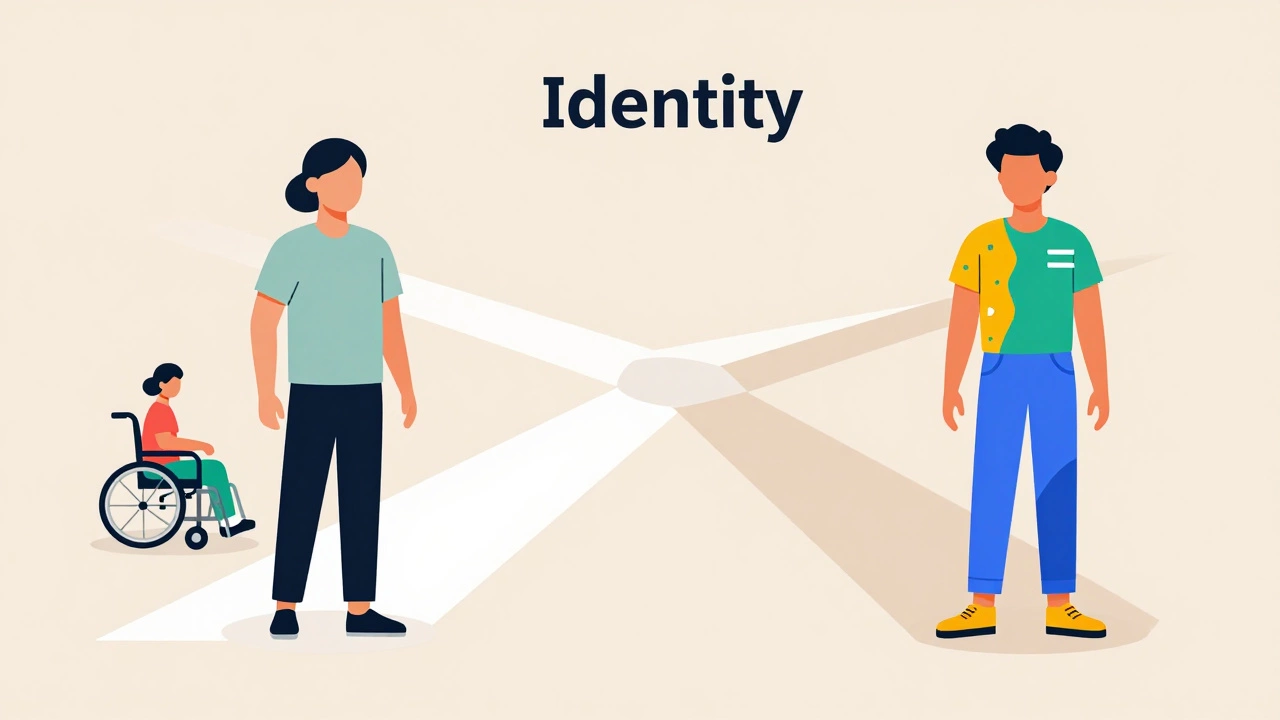
To understand modern disability etiquette, you need to look at two main frameworks: person-first language (PFL) and identity-first language (IFL). These aren’t just semantic preferences; they reflect different views on how disability relates to identity.
Person-First Language is a linguistic style that places the person before their disability to emphasize humanity over condition. For decades, this has been the standard in education, healthcare, and government sectors. The logic is simple: you are a person first, and your disability is just one part of who you are. So instead of saying "disabled student," you say "student with a disability." Instead of "autistic child," you say "child with autism." This approach gained traction in the 1970s and 80s through advocacy groups like The Arc and National Council on Independent Living. It aims to prevent stereotyping by reminding listeners that the disability doesn’t define the whole person.
On the other side, Identity-First Language is a linguistic style where the disability is placed before the noun, asserting that it is an integral part of personal identity. Many in the Deaf community and the autism spectrum community strongly prefer IFL. To them, saying "person who is deaf" sounds like they wish they weren’t deaf. They argue that disability is a cultural and social experience, not a defect to be separated from the self. An "autistic person" embraces neurodivergence as a core part of their worldview. Using PFL here can feel like erasure, implying that their way of experiencing the world is something to be hidden or minimized.
| Feature | Person-First Language (PFL) | Identity-First Language (IFL) |
|---|---|---|
| Structure | Person + with + Disability | Disability + Person |
| Example | Student with ADHD | ADHD student |
| Preferred By | Intellectual disabilities, physical disabilities, medical communities | Autism, Deaf culture, some chronic illness communities |
| Philosophy | Disability is a characteristic, not the whole identity | Disability is a core part of identity and culture |
Why "Special Needs" Is Falling Out of Favor
You’ll still hear "special needs" everywhere, especially in schools and marketing. It sounds soft, doesn’t it? It implies that everyone has needs, so why not call them "special"? But many disability advocates argue that the term is vague and patronizing. It often masks systemic barriers. When we say a child has "special needs," we focus on the child’s deficit rather than the environment’s failure to accommodate them.
In educational settings, the legal term is "disability" or "exceptionality." The Individuals with Disabilities Education Act (IDEA) uses specific categories like "specific learning disability" or "developmental delay." "Special needs" isn’t a legal classification; it’s a euphemism. Over time, it has become associated with low expectations. Parents and adults with disabilities report that hearing "special needs" makes them feel pitied rather than supported. It suggests they are fragile or require constant hand-holding, which isn’t true for most people. Shifting away from "special needs" toward precise terms like "disability" or "neurodivergent" acknowledges reality without sugarcoating it.
Outdated Terms to Avoid Completely
Some words have crossed the line from outdated to offensive. Using these can signal ignorance or disrespect, regardless of your intent. Here are the big ones to avoid:
- Handicapped: This term peaked in the mid-20th century but is now widely seen as derogatory. It originated from a phrase meaning "hand in cap," referring to begging. Use "disabled" or "mobility impaired" instead.
- Mentally Challenged: Often used as a softer alternative to "mentally ill," this phrase minimizes serious conditions. It’s better to use specific diagnoses if known, or simply "mental health condition."
- Retarded: Once a clinical term, this word has been reclaimed by some but remains highly offensive in general usage due to its history of abuse. Never use it unless quoting someone directly in a critical context.
- Normal: Saying "able-bodied" or "non-disabled" is preferred over "normal." "Normal" implies that disabled people are abnormal or deviant, which reinforces stigma.
- Suffers from: Phrases like "suffers from autism" imply pain and misery. Many disabled people live fulfilling lives. Use "has" or "is" instead (e.g., "has diabetes" or "is blind").
Context Matters: Who Are You Talking To?
Language isn’t static. The right term depends heavily on the context and the audience. In a formal school setting, following IDEA guidelines means using specific diagnostic labels. In a casual conversation, asking a friend what they prefer is best. In writing for a broad audience, starting with person-first language is generally safer unless you know the community prefers otherwise.
Consider the Deaf community. Capitalized "Deaf" refers to a cultural group with its own language (ASL) and history. Lowercase "deaf" refers to the audiological condition. A Deaf person may insist on identity-first language because Deafness is central to their culture. Conversely, someone with a recent injury might prefer person-first language because they don’t identify as "disabled" long-term-they’re just recovering. Context clues matter. Pay attention to how organizations and leaders within those communities refer to themselves.
How to Handle Mistakes Gracefully
We all slip up. You might accidentally use an outdated term or guess wrong about someone’s preference. That’s okay. The goal isn’t perfection; it’s respect. If you realize you’ve made a mistake, apologize briefly and correct yourself. Don’t make a huge production out of it, which puts the burden on the other person to comfort you. A simple, "I meant to say [correct term], sorry," works well. Then move on. Over-apologizing can make interactions awkward and shift focus away from the conversation.
If someone corrects you, listen. Thank them. Adjust your language going forward. Most people appreciate the effort to get it right, even if you stumble initially. Remember, language evolves. What matters is your willingness to learn and adapt. This shows empathy and awareness, which are far more important than memorizing a dictionary of approved terms.
Neurodiversity and Changing Norms
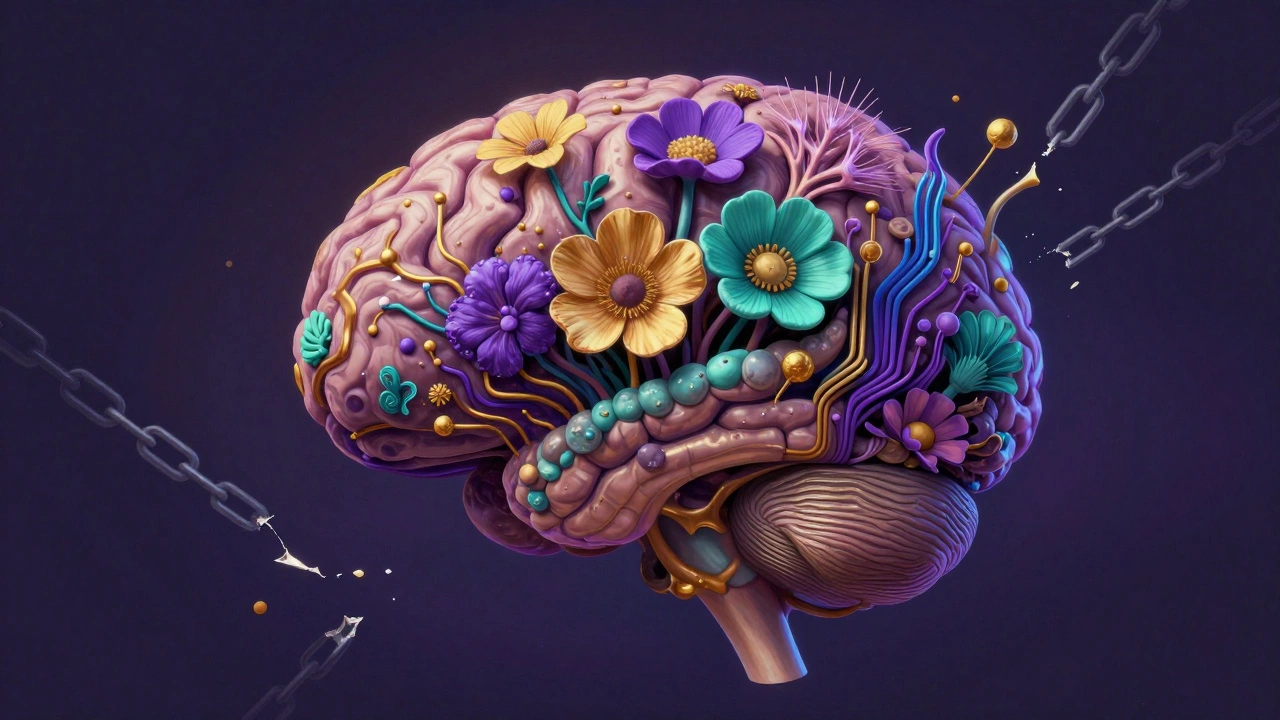
The concept of Neurodiversity is a framework that views neurological differences like autism, ADHD, and dyslexia as natural variations in the human brain rather than defects. Coined in the late 1990s by sociologist Judy Singer, this movement has reshaped how we talk about cognitive differences. Instead of framing autism as a disorder to be cured, neurodiversity advocates see it as a different way of processing the world. This shift supports identity-first language. An autistic person isn’t broken; they’re neurodivergent. Embracing this perspective reduces stigma and promotes acceptance. It encourages society to adapt to diverse minds, rather than forcing individuals to conform to narrow norms.
Practical Tips for Everyday Conversations
So, how do you apply this in real life? Start by observing. Listen to how disabled people describe themselves in media, podcasts, and social platforms. Notice patterns. Second, default to specificity. Instead of vague terms like "special needs," use accurate descriptors like "wheelchair user" or "visually impaired." Third, when in doubt, ask politely. "How do you prefer to be referred to?" is a respectful question that shows you care. Finally, educate yourself. Read articles written by disabled authors. Follow disability advocates on social media. Understanding the lived experiences behind the language helps you use it correctly and compassionately.
Is "special needs" considered offensive?
Many disability advocates consider "special needs" outdated and patronizing. While not universally offensive, it is increasingly replaced by more precise terms like "disability" or "accessibility needs" because it lacks clarity and can imply pity rather than support.
Should I use person-first or identity-first language?
It depends on the individual and the community. Person-first language (e.g., "person with autism") is common in medical and educational fields. Identity-first language (e.g., "autistic person") is preferred by many in the Deaf and autism communities. When unsure, ask the person directly or follow the lead of advocacy groups.
What is the difference between Deaf and deaf?
Capitalized "Deaf" refers to a cultural and linguistic community that uses sign language and shares a distinct identity. Lowercase "deaf" refers to the audiological condition of hearing loss. The distinction highlights the difference between medical status and cultural belonging.
Why is "handicapped" no longer used?
"Handicapped" is viewed as derogatory due to its historical association with begging and limitation. Modern etiquette favors "disabled" or specific terms like "mobility impaired," which focus on accessibility and rights rather than deficiency.
What does neurodiversity mean?
Neurodiversity is a concept that recognizes neurological differences such as autism, ADHD, and dyslexia as natural variations in human brains. It challenges the view of these conditions as disorders and promotes acceptance and accommodation of diverse cognitive styles.