
Personalized Learning Strategy Generator
Discover science-backed strategies tailored to your learning goals and preferences
Step 1: What do you want to learn?
Step 2: Your Learning Preferences
Why This Works
Based on neuroscience research about how older brains learn best.
Connect new information to existing knowledge and personal experiences for deeper understanding.
Embrace slower processing speeds. Depth of understanding beats speed of acquisition.
Learning with others stimulates multiple brain regions and provides crucial emotional support.
Review information at increasing intervals to build strong, lasting memories without overwhelm.
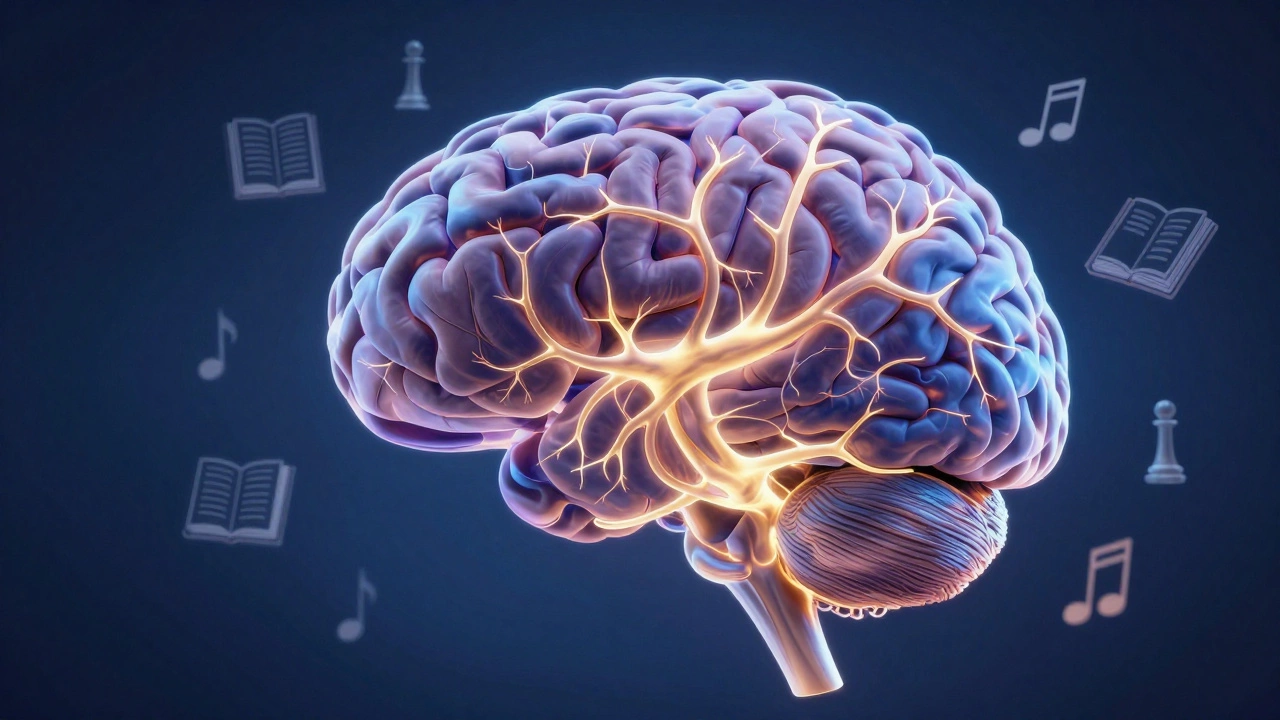
Forget the old myth that you can't teach an old dog new tricks. The brain doesn't stop learning when you hit retirement age; it just changes how it processes information. If you are a senior looking to pick up a new language, learn to code, or master a musical instrument, you might feel like your mind is slipping away. But neuroscience tells a different story. It’s not about capacity anymore-it’s about strategy.
Learning as an older adult requires a shift from speed to depth. Younger brains excel at rapid acquisition and pattern recognition under pressure. Older brains, however, have developed superior semantic processing and contextual understanding. This means while a 20-year-old might memorize vocabulary words faster through rote repetition, a 65-year-old often grasps the nuance and application of those words more deeply after a single meaningful explanation. Understanding this difference is the key to unlocking effective adult education.
The Neuroscience of Aging Brains
To learn effectively, we first need to understand what is happening inside the skull. As we age, two major shifts occur in our neural architecture. First, there is a gradual decline in fluid intelligence-the ability to solve novel problems quickly without relying on past experience. Second, and crucially, crystallized intelligence-the accumulation of knowledge, skills, and experience-continues to grow or remain stable well into later life.
This trade-off has profound implications for learning. When you try to learn something entirely new, such as navigating a complex software interface, you may find yourself frustrated by the lack of immediate intuition. This is because your brain is no longer optimizing for raw processing speed. Instead, it is prioritizing accuracy and error avoidance. Studies from the National Institute on Aging suggest that older adults show increased activity in both hemispheres of the brain during cognitive tasks, a phenomenon known as HARPE (Hemispheric Asymmetry Reduction in Older Adults). Your brain is literally working harder to compensate for slower transmission speeds by recruiting more neural resources.
So, why does this matter? Because it means passive learning techniques-like watching a lecture or reading a textbook cover-to-cover-are significantly less effective for older learners than they were in your twenties. You cannot rely on sheer volume of exposure. You need engagement, relevance, and spaced repetition to forge strong neural pathways.
Why Context Is King for Senior Learners
If fluid intelligence declines, crystallized intelligence becomes your superpower. Older adults learn best when new information is connected to existing knowledge structures. This is called schema-based learning. Imagine trying to learn the rules of chess. A child might memorize the moves of each piece. An older adult, who understands strategy and history, will likely grasp the game faster if taught through analogies to military tactics or previous board games they know.
Without context, information floats in isolation and fades quickly. With context, it hooks onto decades of experience. For example, if you are learning a second language, don't start with isolated verb conjugations. Start with phrases relevant to your hobbies or travel plans. If you love gardening, learn the vocabulary for plants, soil, and seasons. This emotional and practical connection triggers the hippocampus and amygdala, areas responsible for memory consolidation and emotional regulation, making the information stickier.
Consider the case of Martha, a 72-year-old retiree who wanted to learn digital photography. She struggled for months with online tutorials that focused on aperture numbers and shutter speeds in abstract terms. Once she switched to a class that framed these concepts around capturing her grandchildren's movements (shutter speed) and lighting their faces in portraits (aperture), her proficiency skyrocketed. The technical data was the same, but the contextual bridge made all the difference.
The Power of Slower, Deeper Processing
In a world obsessed with productivity hacks and five-minute tutorials, older adults often feel pressured to learn fast. This pressure is counterproductive. Anxiety releases cortisol, which inhibits the hippocampus and blocks memory formation. Older brains are particularly sensitive to stress-induced cognitive interference.
Embrace slow learning. Allow yourself time to process information without rushing to the next step. Research published in the journal Psychology and Aging indicates that older adults benefit significantly from extended encoding time. Taking notes by hand, summarizing what you've learned aloud, or teaching the concept to someone else forces your brain to slow down and engage in deeper processing. This active retrieval strengthens neural connections far more than passive re-reading.
Try the "Pause and Reflect" technique. After every ten minutes of study, stop. Close the book or pause the video. Ask yourself: What did I just learn? How does this connect to what I already know? Can I explain it in simple terms? This metacognitive practice transforms fleeting impressions into durable memories.
Social Learning vs. Isolation
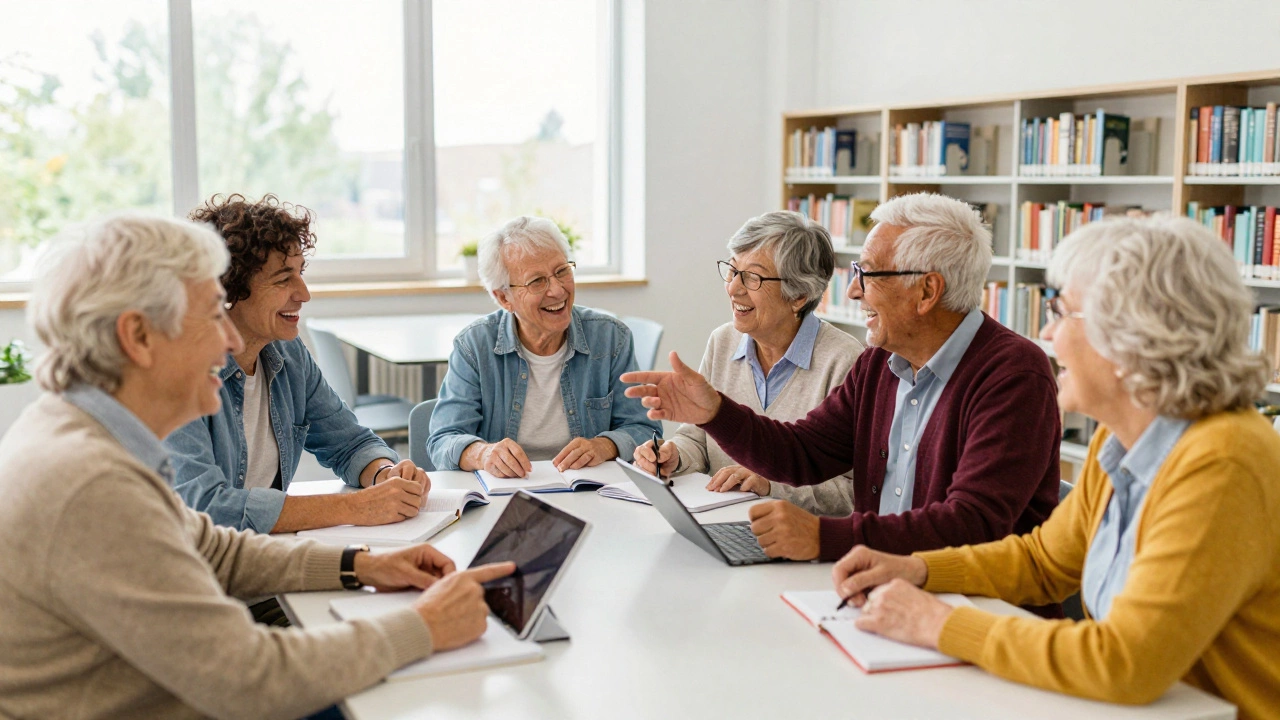
Loneliness is a silent killer of cognitive health. Social interaction stimulates multiple regions of the brain simultaneously, including those involved in language, emotion, and executive function. Group classes, book clubs, or study partners provide not only accountability but also cognitive stimulation through dialogue.
When you discuss a topic with others, you encounter diverse perspectives that challenge your assumptions and deepen your understanding. This social scaffolding helps fill gaps in memory and provides emotional support when frustration sets in. Community colleges and local libraries often offer senior-specific workshops designed with peer interaction in mind. These environments reduce the stigma of asking questions and create a supportive ecosystem for growth.
Even virtual communities can be effective. Online forums dedicated to specific interests, such as coding groups for seniors or language exchange apps, allow for asynchronous social learning. The key is consistency and interaction, not just observation.
Physical Health as a Cognitive Foundation
You cannot separate mental sharpness from physical vitality. Brain health is intimately tied to cardiovascular health. What is good for the heart is good for the brain. Regular aerobic exercise increases blood flow to the brain, delivering oxygen and nutrients essential for neuroplasticity-the brain's ability to reorganize itself by forming new neural connections.
Studies show that just 30 minutes of moderate exercise, such as brisk walking, swimming, or cycling, three times a week can improve memory and executive function in older adults. Exercise also promotes the release of Brain-Derived Neurotrophic Factor (BDNF), a protein that supports the survival of existing neurons and encourages the growth of new synapses.
Sleep is equally critical. During deep sleep, the brain clears out metabolic waste products, including beta-amyloid proteins associated with Alzheimer's disease. It is also during REM sleep that memories are consolidated. Prioritizing seven to eight hours of quality sleep is not a luxury; it is a non-negotiable component of any learning regimen. Poor sleep directly impairs attention, problem-solving, and memory recall.
| Strategy | Younger Adults (18-30) | Older Adults (60+) |
|---|---|---|
| Rote Memorization | Highly Effective | Less Effective; Requires Context |
| Speed-Based Tasks | Preferred | Avoid; Causes Stress & Errors |
| Contextual Application | Moderately Effective | Highly Effective |
| Social Interaction | Beneficial | Critical for Motivation & Memory |
| Spaced Repetition | Useful | Essential for Long-Term Retention |
Practical Tools for Spaced Repetition
Memory isn't broken; it's just leaky. Without reinforcement, new information fades exponentially. Spaced repetition is a learning technique that involves reviewing information at increasing intervals over time. This method leverages the "spacing effect," a psychological phenomenon where information is better remembered if study sessions are spaced out rather than crammed.
For older adults, digital flashcard apps like Anki or Quizlet can automate this process. However, the technology should serve the strategy, not replace it. The act of actively recalling the answer before flipping the card is what strengthens the memory trace. Passive review is useless. Active recall is king.
Start small. Learn five new words or concepts per day. Review them after one day, then three days, then a week, then a month. This gentle, consistent pressure builds robust long-term memory without overwhelming the system. It respects the brain's natural pace of consolidation.
Overcoming Common Barriers
Many older adults hesitate to learn new skills due to fear of failure or technological intimidation. This anxiety is normal but surmountable. Reframe mistakes as data points, not judgments of intelligence. Every error provides feedback on what needs adjustment. Growth mindset-the belief that abilities can be developed through dedication-is a powerful predictor of success in lifelong learning.
Additionally, sensory changes can hinder learning. Vision and hearing loss make it difficult to follow lectures or read fine print. Address these barriers proactively. Use larger fonts, high-contrast materials, and hearing aids if needed. Don't let physical limitations masquerade as cognitive deficits.
Finally, manage expectations. You may not learn as quickly as you did at twenty-five. That's okay. The goal isn't speed; it's mastery and enjoyment. Focus on progress, not perfection. Celebrate small wins. Each new skill learned enhances quality of life, independence, and social connection.
Is it too late to learn a new language after 60?
Absolutely not. While pronunciation may be harder to perfect, older adults often excel in grammar and vocabulary retention due to stronger analytical skills. Focus on conversational fluency and cultural context rather than native-like accent. Use immersive methods like listening to music or watching films in the target language to build intuition.
How can I improve my memory for studying?
Combine spaced repetition with active recall. Avoid passive re-reading. Instead, test yourself frequently. Connect new information to personal experiences or emotions. Ensure you are getting adequate sleep and regular exercise, as both are critical for memory consolidation. Reduce multitasking; focus on one subject at a time.
What are the best types of exercises for brain health?
Aerobic exercises like walking, swimming, and dancing increase blood flow to the brain and promote neuroplasticity. Strength training also benefits cognitive function by reducing inflammation and improving insulin sensitivity. Aim for at least 150 minutes of moderate-intensity activity per week. Combine physical movement with mental challenges, such as learning dance steps or playing team sports.
Does social isolation affect learning ability?
Yes, significantly. Loneliness is linked to higher levels of stress hormones, which impair memory and attention. Social interaction stimulates the brain and provides emotional support. Joining group classes, clubs, or online communities can enhance motivation, provide diverse perspectives, and make learning more enjoyable and sustainable.
Can technology help older adults learn better?
Yes, if used correctly. Apps for spaced repetition, online courses with interactive elements, and digital libraries provide accessible resources. However, avoid overly complex interfaces that cause frustration. Choose tools with large text, clear navigation, and customer support. Technology should simplify learning, not complicate it.