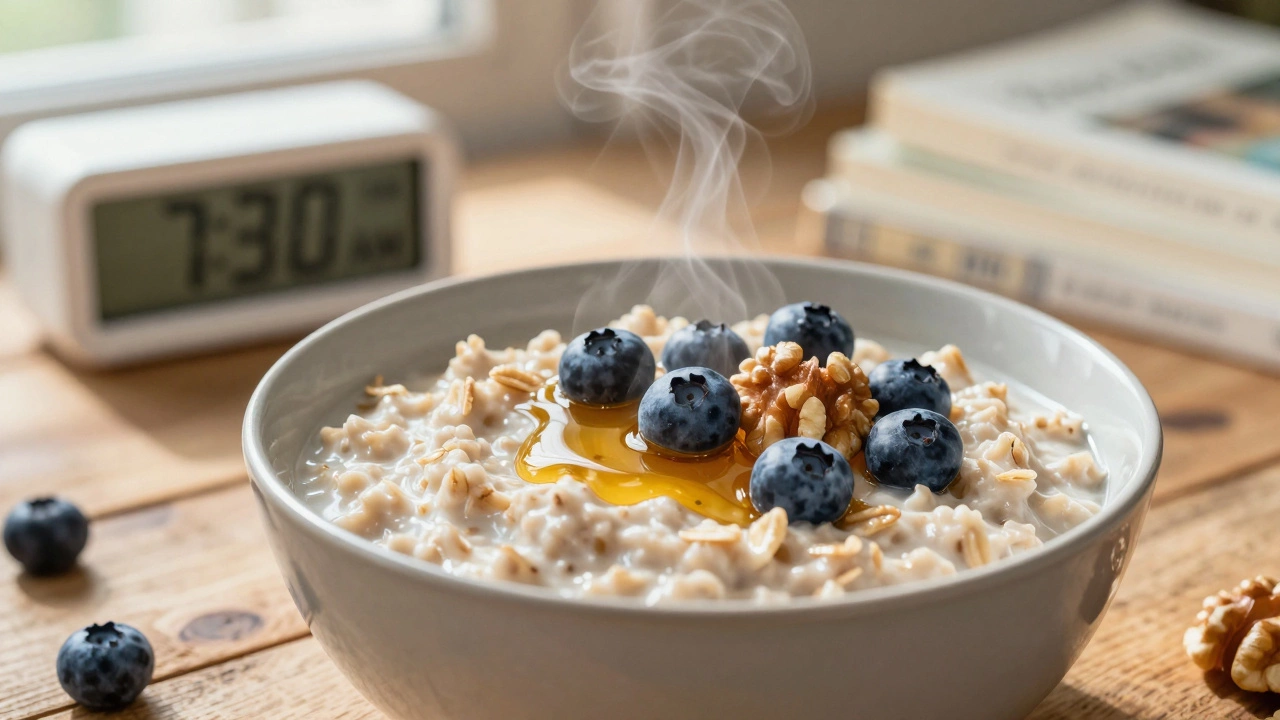
Exam Day Oatmeal Calculator
It is 7:30 AM. Your heart is already racing a little bit because your big exam starts in two hours. You stare at the kitchen counter, trying to decide what to eat. Do you grab a sugary donut for a quick energy boost? Or do you skip breakfast entirely to save time? Most students make one of these two mistakes. Both can wreck your performance. There is a better option that sits quietly in your pantry: oatmeal.
You might wonder if a bowl of mushy grains really helps with high-stakes testing. The short answer is yes. But it is not magic. It is biology. Understanding why Oatmeal is a slow-digesting carbohydrate source rich in beta-glucan fiber and essential B vitamins works for your brain can change how you prepare for every test from now on.
The Blood Sugar Crash Trap
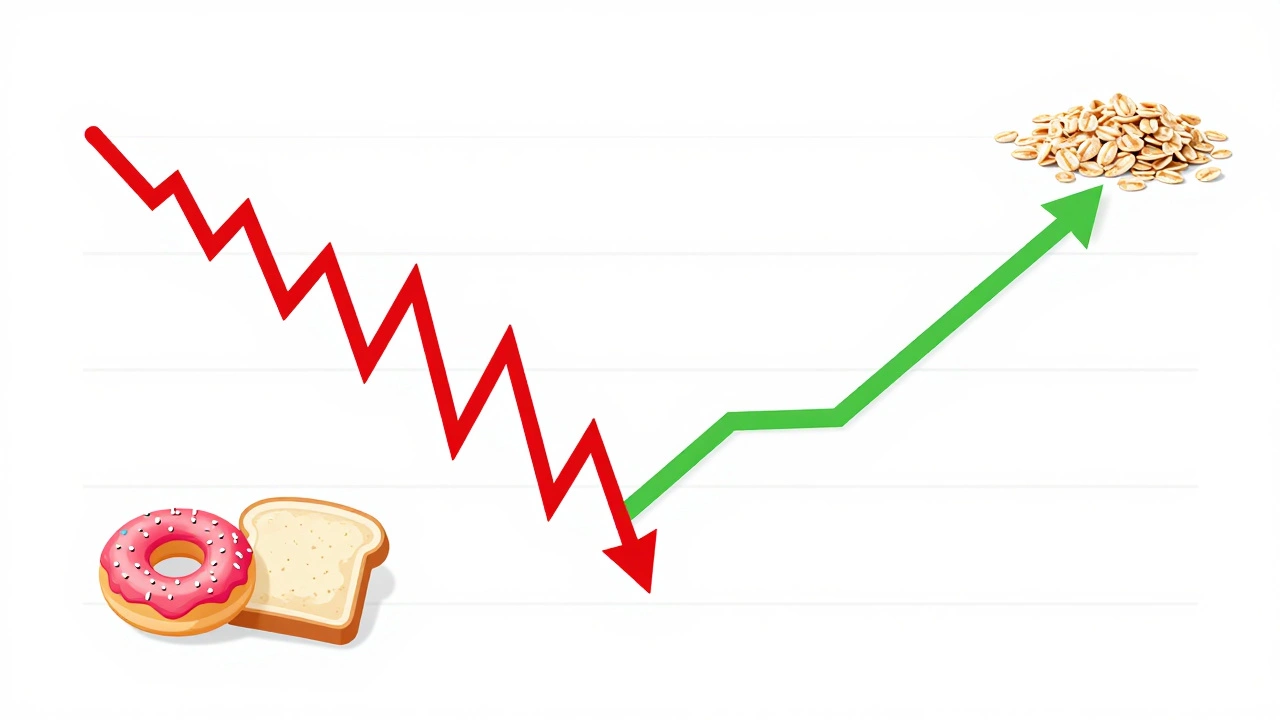
Your brain runs on glucose. It does not run on adrenaline or caffeine alone. When you eat simple sugars like candy, white bread, or fruit juice, your blood sugar spikes rapidly. This feels great for about twenty minutes. You feel alert and sharp. Then, your pancreas releases insulin to manage the sugar load. Your blood sugar drops below baseline. This is called reactive hypoglycemia. In plain English, you crash. You feel foggy, tired, and anxious right when you need to recall complex information.
Oatmeal avoids this trap completely. It has a low glycemic index (GI). A GI score measures how quickly food raises blood sugar. White bread scores around 75. Plain rolled oats score between 55 and 60. This means the energy release is slow and steady. You get a constant stream of fuel to your brain cells throughout the entire exam period. No spike, no crash. Just consistent clarity.
Fiber Is Not Just for Digestion
We usually talk about fiber in terms of gut health. We forget that your gut and your brain are connected by the vagus nerve. This connection is often called the gut-brain axis. The primary type of fiber in oats is called beta-glucan. Beta-glucan is a soluble fiber. It dissolves in water to form a thick gel in your stomach. This gel slows down digestion. It keeps you feeling full without making you feel heavy or sleepy.
Think about the last time you ate a huge steak or a heavy pasta dish before a test. Did you feel energetic? Probably not. You likely felt sluggish as your body diverted blood flow to your stomach for digestion. This is known as postprandial somnolence, or the "food coma." Oatmeal digests efficiently. It provides energy without demanding all your bodily resources for processing. You stay light and ready to think.
Essential Nutrients for Memory Recall
Oats are not just empty carbs. They contain specific nutrients that support cognitive function. One key nutrient is thiamine, also known as Vitamin B1. Thiamine helps convert glucose into energy. Without enough thiamine, your brain struggles to process the fuel it receives. Oats provide a decent amount of this vitamin naturally.
They also contain magnesium and zinc. Magnesium plays a role in calming the nervous system. If you are prone to test anxiety, magnesium can help lower that physical tension. Zinc supports memory formation and retrieval. While the amounts in a single bowl are not massive, they contribute to your daily needs. Pairing oats with other foods boosts these benefits significantly.
| Food Item | Glycemic Index (Approx) | Energy Duration | Brain Impact |
|---|---|---|---|
| Plain Rolled Oats | 55-60 | 3-4 Hours | Steady focus, no crash |
| White Toast with Jam | 75+ | 1 Hour | Quick spike, severe crash |
| Sugary Cereal | 80+ | 45 Minutes | Anxiety trigger, foggy mind |
| Eggs and Avocado | Low (Fat/Protein) | 4+ Hours | High satiety, slower energy |
How to Build the Perfect Exam Bowl
Not all oatmeal is created equal. Instant packets loaded with sugar and artificial flavors act more like dessert than fuel. They will cause the same blood sugar crash as a candy bar. You need to control the ingredients. Start with plain rolled oats or steel-cut oats. These take a few minutes to cook but offer superior texture and nutrition compared to instant flakes.
To turn this base into a brain-boosting meal, add toppings that complement the slow-release carbs. Here is a simple formula:
- Healthy Fats: Add a tablespoon of chia seeds, flaxseeds, or walnuts. Fats slow digestion even further and provide omega-3 fatty acids, which are crucial for brain cell structure.
- Antioxidants: Top with fresh blueberries or strawberries. Berries contain anthocyanins. Studies suggest these compounds improve communication between brain cells and delay age-related cognitive decline. For a student, this means sharper recall.
- Natural Sweetness: Use a small drizzle of honey or maple syrup instead of white sugar. Or rely on mashed banana. Banana adds potassium, which helps maintain proper electrical signaling in nerves.
- Protein Kick: Stir in a scoop of protein powder or eat a boiled egg on the side. Protein stabilizes mood and prevents hunger pangs during long exams.
Avoid adding too much milk if you are sensitive to lactose. Dairy can cause bloating or discomfort for some people. Stress makes digestive issues worse. If dairy bothers you, use almond milk, oat milk, or water. Keep it simple. Your stomach should feel neutral, not full or upset.
Timing Matters More Than You Think
Eating the right food at the wrong time can still hurt your performance. Digestion takes time. If you eat a large bowl of oatmeal ten minutes before the exam starts, your body will be busy digesting while you try to solve problems. This diverts blood flow away from your prefrontal cortex, the part of the brain responsible for logic and decision-making.
Aim to eat your oatmeal 60 to 90 minutes before the exam begins. This window allows the initial digestion phase to complete. By the time you sit down at the desk, the glucose is entering your bloodstream steadily. You are fueled, but not distracted by hunger or fullness. Set your alarm accordingly. Rushing your breakfast causes stress. Stress raises cortisol levels. High cortisol impairs memory retrieval. Eating calmly is part of the strategy.
What About Caffeine?
Many students pair their breakfast with coffee or energy drinks. Caffeine blocks adenosine receptors in the brain, making you feel less tired. It can improve concentration temporarily. However, caffeine also increases heart rate and jitteriness. If you are already anxious about the exam, caffeine can amplify those feelings into panic.
If you drink coffee, have it with your oatmeal, not on an empty stomach. The fiber and fat in the oats buffer the absorption of caffeine. This leads to a smoother effect rather than a sudden jolt. Limit yourself to one cup. Avoid energy drinks. They are packed with sugar and synthetic stimulants that lead to a harder crash later in the day.

Hydration Is Half the Battle
You cannot out-eat dehydration. Even mild dehydration (losing just 1-2% of body water) impairs cognitive performance. It reduces attention, alertness, and short-term memory. Oatmeal contains some water, especially if cooked with liquid, but it is not enough to hydrate you fully.
Drink a large glass of water with your meal. Continue sipping water during the exam if allowed. Dehydration causes headaches and fatigue. Sometimes, when you think you are hungry or tired, you are actually thirsty. Keep a water bottle nearby. It is the cheapest and most effective tool in your exam kit.
Common Mistakes to Avoid
Even with the best intentions, students sabotage their own focus. Here are three common errors:
- Trying New Foods: Never eat something new on exam day. If you have never eaten oatmeal before, do not start now. Your body might react poorly. Stick to foods you know agree with your stomach. If you hate oats, choose brown rice porridge or whole grain toast with avocado. The principle is the same: complex carbs, healthy fats, low sugar.
- Overeating: Portion control matters. A massive bowl of oats will make you sleepy. Aim for a moderate portion. You want fuel, not a feast. Listen to your body's hunger cues. Eat until you are satisfied, not stuffed.
- Ignoring Sleep: No amount of oatmeal can replace eight hours of sleep. Sleep consolidates memory. It moves information from short-term to long-term storage. If you pull an all-nighter, your brain is physically impaired. Oatmeal helps a rested brain perform better. It cannot fix a exhausted one.
Conclusion: Fuel Your Focus
Exam success depends on many factors. Studying hard is obvious. Managing stress is critical. But fueling your brain is often overlooked. Oatmeal offers a scientifically sound way to keep your energy stable and your mind clear. It avoids the sugar crash. It provides essential nutrients. It is gentle on your stomach. By choosing this simple, humble food, you remove one variable from the equation. You stop worrying about hunger or fatigue. You can focus entirely on the questions in front of you. Next time you face a test, skip the donut. Boil some water. Grab the oats. Give your brain the steady power it deserves.
Can I eat instant oatmeal packets before an exam?
Most instant oatmeal packets contain added sugar and salt. The sugar can cause a blood sugar spike followed by a crash, leading to brain fog. It is better to buy plain rolled oats and add your own toppings. If you must use a packet, check the label carefully and avoid any with more than 5 grams of added sugar per serving.
How long before the exam should I eat oatmeal?
You should eat oatmeal 60 to 90 minutes before your exam starts. This gives your body enough time to begin digesting the food and releasing glucose into your bloodstream steadily. Eating too close to the start time may divert blood flow to your stomach, making you feel sluggish during the test.
What are good toppings for oatmeal to improve focus?
Add healthy fats and antioxidants. Walnuts, chia seeds, or flaxseeds provide omega-3 fatty acids that support brain health. Fresh berries like blueberries contain antioxidants that may improve memory. A small amount of honey or a sliced banana can provide natural sweetness and potassium without causing a sugar crash.
Does oatmeal help with test anxiety?
Oatmeal itself does not cure anxiety, but it can help manage physical symptoms. By providing steady energy, it prevents the irritability and shakiness associated with low blood sugar. Additionally, oats contain magnesium, which has a calming effect on the nervous system. Combining stable blood sugar with calm nerves creates a better mental state for taking tests.
Is it better to eat oatmeal or eggs before an exam?
Both are excellent options, and combining them is ideal. Oatmeal provides complex carbohydrates for immediate and sustained brain fuel. Eggs provide high-quality protein and choline, which supports memory. If you prefer savory breakfasts, eggs are a great choice. If you prefer sweet, oatmeal works well. The key is avoiding high-sugar options regardless of whether you choose carbs or protein.