Tutor Red Flag Checker
Is Your Tutor Making These Mistakes?
Answer honestly to see if you need a new approach.Imagine paying for a private tutor who spends the first ten minutes of every session complaining about their commute or talking about their weekend. You’d feel robbed. But worse than that is the tutor who simply re-explains what your child already heard in class, leaving them more confused and less motivated than before. Private tutoring is supposed to be a targeted intervention-a way to fill gaps, build confidence, and accelerate learning. When it fails, it’s rarely because the material is too hard. It’s usually because the tutor is making fundamental errors in approach, boundaries, or pedagogy.
We often focus on what a great tutor *should* do: be patient, knowledgeable, and engaging. But understanding the pitfalls-the specific behaviors that sabotage progress-is just as critical for parents choosing a tutor and for tutors refining their craft. Knowing what not to do helps you spot red flags early and ensures that every hour spent studying actually moves the needle.
The "Lecture" Trap: Talking Instead of Teaching
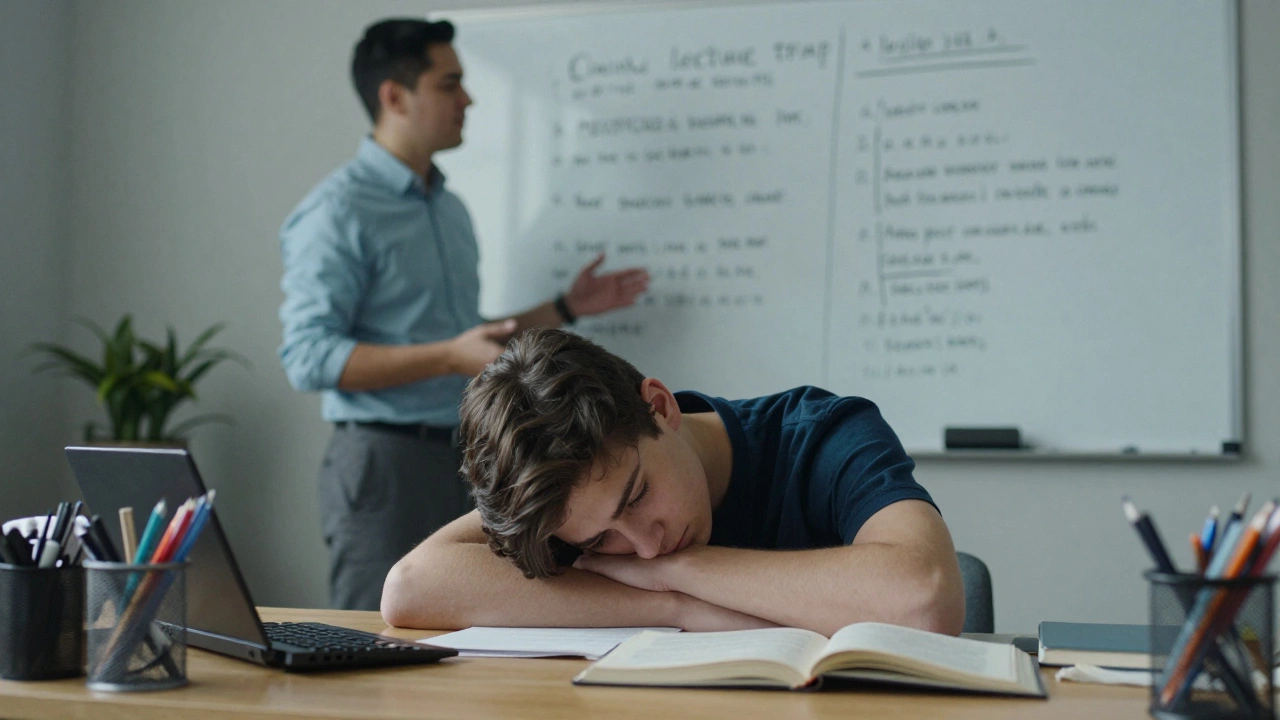
The most common mistake a tutor makes is turning a one-on-one session into a mini-lecture. In a classroom of thirty students, lecturing is sometimes necessary for efficiency. In a private session with one student, it is pedagogical suicide. If the tutor is doing all the talking, the student is passively absorbing information without developing the neural pathways required to retrieve and apply it later.
Effective tutoring relies on active recall and guided discovery. Instead of saying, "Here is how you solve this quadratic equation," a skilled tutor should ask, "What do you notice about these two numbers?" or "Where did you get stuck last time?" When a tutor dominates the conversation, they rob the student of the chance to articulate their thought process. This lack of verbalization means misconceptions remain hidden. The student might nod along, appearing to understand, but the moment they face a test alone, the knowledge evaporates because they never built the mental framework themselves.
- Avoid: Explaining concepts for more than 2-3 minutes without checking for understanding.
- Avoid: Solving problems on the board while the student watches silently.
- Do: Use the "Socratic method"-ask questions that lead the student to the answer.
- Do: Have the student explain the concept back to you in their own words.
Ignoring the Emotional Landscape
Learning is deeply emotional. Anxiety blocks memory retrieval; shame shuts down curiosity. A major error many tutors make is treating education as purely cognitive, ignoring the psychological state of the learner. If a student is frustrated, scared of failure, or embarrassed by their struggles, no amount of academic explanation will penetrate that barrier. A tutor who ignores these signals is missing half the job.
Consider a student struggling with reading comprehension. They aren’t failing because they can’t decode words; they’re failing because they’ve been labeled "slow" since third grade and now associate reading with humiliation. A tutor who pushes harder, assigning more difficult texts without addressing the confidence issue, will only deepen the trauma. The tutor must first establish psychological safety. This means validating feelings, normalizing struggle, and celebrating small wins. Without trust, the student will hide their confusion rather than admit it, rendering the session useless.
Crossing Professional Boundaries
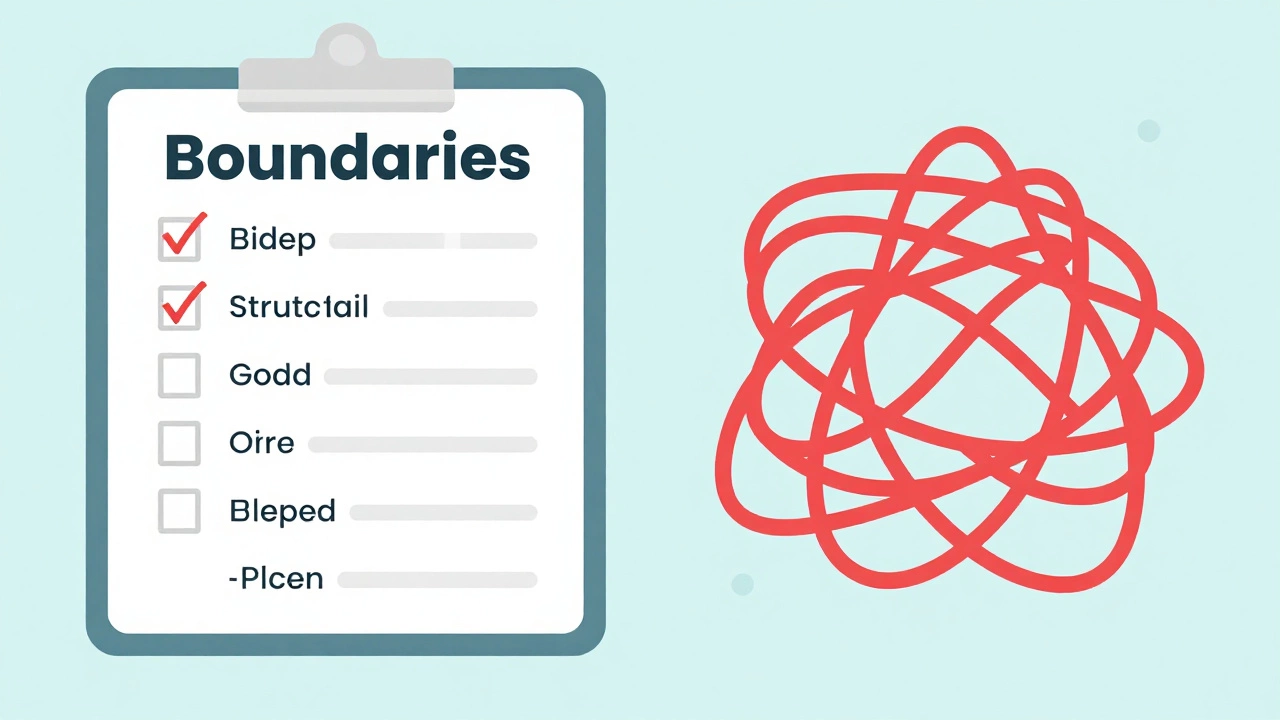
In the informal setting of home tutoring or online video calls, professional boundaries can blur quickly. While tutors need to be warm and relatable, they are not friends, therapists, or family members. Crossing these lines creates dependency, discomfort, or even liability issues. For instance, a tutor who shares excessive personal drama, romantic interests, or political views distracts from the educational goal and places an unfair emotional burden on the student.
Another boundary violation is inconsistent communication with parents. Parents hire tutors to support their children’s education, which means they deserve regular, objective updates. A tutor who goes weeks without feedback, or worse, badmouths the school teacher or the parent’s parenting style, is unprofessional. Constructive criticism should always be framed around the student’s needs, not the tutor’s opinions on external factors. Transparency about progress, challenges, and next steps is non-negotiable.
| Behavior | Why It’s Harmful | Better Approach |
|---|---|---|
| Oversharing personal life | Distracts from learning; creates awkwardness | Keep personal anecdotes brief and relevant to the lesson |
| Criticizing the school teacher | Undermines authority; confuses the student | Focus on bridging gaps between home and school methods |
| Inconsistent scheduling | Breaks routine; shows disrespect for client’s time | Stick to agreed times; give ample notice for changes |
| Doing homework for the student | Fosters dependency; hides true skill level | Guide the student through the process; let them write/type answers |

Lack of Structure and Goal Setting
One of the biggest reasons tutoring fails is the absence of clear goals. A tutor who shows up with no plan, saying, "So, what do you want to work on today?" is abdicating responsibility. Students, especially younger ones, don’t know what they don’t know. They rely on the tutor to provide structure. Without a roadmap, sessions become aimless chats that feel productive but yield little measurable progress.
Every tutoring relationship should start with an assessment and a shared goal. Is the aim to raise a math grade from C to B? To prepare for the SAT? To gain fluency in Spanish? These goals dictate the curriculum. A good tutor breaks these large goals into weekly milestones. At the end of each session, there should be a clear takeaway: "Today we mastered fraction addition. Tomorrow we’ll move to subtraction." This structure provides accountability and allows both the student and parent to track improvement over time.
Using One-Size-Fits-All Materials
Tutors often fall into the trap of relying solely on their favorite textbook or worksheet series. While resources are helpful, blindly following a single curriculum ignores the individual learning style of the student. Some learners are visual and need diagrams; others are kinesthetic and need hands-on manipulatives. A tutor who refuses to adapt materials is forcing the student to fit their method, rather than adapting their method to the student.
For example, if a student is struggling with historical dates, a chronological list won’t help. A timeline drawn together, or a game connecting events to pop culture references, might click instantly. Flexibility is key. This doesn’t mean abandoning standards, but it does mean being willing to pivot strategies when something isn’t working. If a student hasn’t grasped a concept after three attempts using the same explanation, the tutor must change the approach, not just repeat it louder.
Neglecting Feedback Loops
Finally, many tutors fail to seek or act on feedback. They assume that if the student is quiet, they are listening. If the student smiles, they are happy. But silence can signal confusion, and smiling can be a nervous habit. A proactive tutor regularly checks in: "Does this make sense?" "Are you feeling overwhelmed?" "Is this pace too fast?" More importantly, they ask parents for honest evaluations. "How is your child feeling about math after our sessions?" "Have you noticed any changes at home?"
Without this feedback loop, the tutor operates in a vacuum. They might be covering topics the student has already mastered, wasting valuable time, or moving too slowly, causing boredom. Regular check-ins ensure the tutoring remains aligned with the student’s evolving needs. Education is dynamic; the tutor’s strategy must be equally dynamic.
Red Flags for Parents to Watch
If you are hiring a tutor, look out for these warning signs that indicate poor practice:
- No Lesson Plan: The tutor arrives without materials or a clear agenda.
- Blaming the Student: Progress stalls, and the tutor attributes it entirely to the student’s "lack of effort" without analyzing their own methods.
- Over-Promising: Guarantees perfect grades or rapid results in unrealistic timeframes.
- Poor Communication: Hard to reach, vague emails, or reluctance to discuss progress with parents.
- Rigidity: Refuses to adjust teaching style despite clear signs of student frustration.
Choosing the right tutor is about finding a partner in your child’s education, not just a second teacher. By avoiding these common pitfalls, tutors can create an environment where learning is not just possible, but enjoyable and transformative.
How can I tell if my tutor is effective?
An effective tutor sets clear goals, tracks progress against those goals, and encourages the student to do the work. You should see gradual improvement in confidence and grades. Ask your child to explain what they learned; if they can teach it back to you, the tutor is doing their job.
Should a tutor do homework for my child?
No. A tutor should guide your child through the process of solving problems, explaining concepts and strategies. Doing the homework for them creates dependency and prevents the development of independent study skills. The goal is mastery, not completion.
What is the ideal length for a tutoring session?
For most K-12 students, 45 to 60 minutes is optimal. Younger children have shorter attention spans and may benefit from 30-minute sessions. High school or college students might handle 90-minute sessions if focused on complex subjects like calculus or essay writing. Breaks are essential for retention.
How often should I meet with a tutor?
Consistency is key. Once a week is standard for maintaining progress or tackling specific subjects. Twice a week may be needed during exam seasons or for significant skill gaps. Daily tutoring is rare and usually unnecessary unless preparing for an imminent high-stakes test.
Can a tutor replace a classroom teacher?
No. Tutors supplement classroom learning by providing personalized attention and filling specific gaps. They cannot replicate the social dynamics, broad curriculum coverage, or standardized instruction of a full-time teacher. Think of tutoring as specialized physical therapy for the mind, not a replacement for daily exercise.