Student Teacher Readiness & Skills Assessor
Select all experiences that apply to your educational background to see which core competencies you've likely developed.
Your Results Will Appear Here
Select your experiences on the left and click "Analyze My Skill Profile" to see your competency breakdown.
Skill Competency Analysis
0%Developed Competencies
Recommended Next Steps
Core Competencies in Student Teacher Training
Lesson Planning
Designing coherent instructional units aligned with standards for diverse learners.
Classroom Management
Establishing routines, rules, and positive relationships to create an effective learning environment.
Differentiation
Adapting instruction for diverse learning needs, including ELLs and advanced students.
Assessment Literacy
Using formative and summative assessments to inform and adjust instruction.
Professional Collaboration
Working effectively with colleagues, parents, and specialists like IEP teams.
Digital Literacy
Integrating technology meaningfully, including LMS, interactive tools, and AI analytics.
Imagine walking into a classroom for the first time. The bell rings, thirty students look up at you, and you realize that all your textbooks and lectures have led to this exact moment. This is the heart of student teacher training, which is the supervised practical experience where aspiring educators apply theoretical knowledge in real classroom settings under the guidance of experienced mentors. It is not just a final step before graduation; it is the bridge between academic study and professional competence.
If you are considering a career in education, understanding what happens during this phase is crucial. Many people confuse "student teaching" with general university coursework. While courses provide the foundation, the actual training involves living and breathing the daily reality of teaching. This guide breaks down exactly what this process entails, how it works, and why it matters for both new teachers and the students they will serve.
The Core Components of Teacher Preparation
Teacher preparation is not a single event but a structured journey. In the United States, most programs follow a model established by organizations like the National Council for Accreditation of Teacher Education (NCATE), which sets standards for teacher preparation programs to ensure quality and consistency across institutions. Today, these standards emphasize evidence-based practices and clinical experiences.
A typical program includes three main pillars:
- Theoretical Knowledge: Courses in child development, educational psychology, and subject-matter expertise.
- Field Experiences: Short-term observations and assisted teaching opportunities that occur throughout the undergraduate or graduate degree.
- Clinical Practice: The intensive, full-time student teaching placement that serves as the capstone experience.
The shift in recent years has been toward extending the duration of clinical practice. Where some programs once offered only a few weeks of observation, modern standards often require hundreds of hours of direct instruction. This ensures that candidates do not just know how to teach but can adapt to the unpredictable nature of a live classroom.
Understanding the Student Teaching Practicum
The term "practicum" often causes confusion. In many contexts, it refers to the entire period of hands-on training. However, specifically, the student teaching practicum is the culminating experience. During this time, the candidate transitions from observer to lead instructor.
This phase typically lasts between eight and sixteen weeks, depending on the state and institution. For example, in Vermont, where rigorous standards apply, candidates spend significant time managing their own classrooms. The goal is autonomy. By the end of the practicum, the student teacher should be able to plan lessons, manage behavior, assess student progress, and communicate with parents without constant supervision.
Consider the difference between a micro-teaching session in a university lab and a real Tuesday morning in fifth grade. In the lab, peers act as students, and the environment is controlled. In the practicum, you deal with genuine behavioral issues, diverse learning needs, and administrative constraints. This authenticity is what makes the training valuable.
The Role of Mentor Teachers
No student teacher succeeds alone. The mentor teacher, also known as the cooperating teacher, is the backbone of the training process. These are veteran educators who have agreed to guide a novice through the complexities of the profession.
The relationship between the student teacher and the mentor is critical. Research indicates that high-quality mentoring significantly impacts retention rates for new teachers. A good mentor does more than correct lesson plans; they model professional behaviors, provide constructive feedback, and offer emotional support during challenging moments.
Mentors often use frameworks like the Danielson Framework for Teaching, which evaluates teacher performance across four domains: planning, classroom environment, instruction, and professional responsibilities. This shared language helps both parties understand expectations and areas for improvement. Without a supportive mentor, even the most prepared candidate can struggle to navigate the social and political dynamics of a school building.

University Supervisors and Clinical Faculty
While the mentor teacher provides day-to-day guidance, university supervisors play a different role. These are faculty members from the college or university who visit the candidate’s classroom periodically. Their job is to ensure that the training meets institutional and state standards.
Supervisors conduct formal observations, usually two to four times during the placement. They compare the candidate’s performance against specific rubrics. Unlike the mentor, who focuses on immediate classroom success, the supervisor looks at long-term growth and alignment with broader educational goals.
This dual-supervision model creates a safety net. If conflicts arise between the student teacher and the mentor, the university supervisor acts as a mediator. Additionally, supervisors connect the field experience back to academic theory, helping candidates reflect on their practice in deeper ways.
Key Skills Developed During Training
What exactly do candidates learn during this intense period? The skills go far beyond content knowledge. Here are the primary competencies developed:
| Skill Area | Description | Real-World Application |
|---|---|---|
| Lesson Planning | Designing coherent instructional units aligned with standards | Creating a week-long unit on fractions that accommodates visual and kinesthetic learners |
| Classroom Management | Establishing routines, rules, and positive relationships | Implementing a non-verbal signal system to reduce interruptions during independent work |
| Differentiation | Adapting instruction for diverse learning needs | Providing scaffolded notes for English Language Learners while challenging advanced students with extension tasks |
| Assessment Literacy | Using formative and summative assessments to inform instruction | Analyzing exit tickets to adjust the next day’s lesson based on common misconceptions |
| Professional Collaboration | Working with colleagues, parents, and specialists | Attending an IEP meeting to contribute insights about a student’s progress in general education |
These skills are not innate. They are honed through trial, error, and reflection. A candidate might deliver a lesson that fails to engage students. Instead of failure, this becomes a learning opportunity. With feedback, they revise the approach and try again. This iterative process builds resilience and adaptability.
Challenges Faced by Student Teachers
Despite its value, student teaching is notoriously stressful. Candidates often face imposter syndrome, wondering if they are truly cut out for the job. The workload is immense. Between planning lessons, grading papers, attending meetings, and completing university assignments, many work sixty to seventy hours per week.
Another challenge is the variability of placements. One candidate might be placed in a well-resourced suburban school with strong support, while another ends up in an underfunded urban district with larger class sizes. This disparity raises questions about equity in teacher preparation. Programs are increasingly working to ensure that all candidates gain experience in diverse settings, but inconsistencies remain.
Burnout is also a risk. The emotional labor of caring for students’ well-being while managing personal stress can be overwhelming. Effective programs incorporate wellness strategies and peer support groups to help candidates cope.
Certification and Career Pathways
Successful completion of student teacher training is a prerequisite for initial certification in most states. After the practicum, candidates must pass standardized tests, such as the Praxis Series, which measures subject-specific knowledge and pedagogical skills required for teacher licensure. Once certified, they can apply for teaching positions.
However, the journey doesn’t end there. Many new teachers enter induction programs, which provide additional support during their first one to three years. These programs recognize that the transition from student teacher to full-time employee is another critical phase requiring guidance.
For those interested in leadership, alternative pathways exist. Some candidates pursue master’s degrees in educational administration or curriculum design. Others may explore roles in educational technology or nonprofit advocacy. The foundational skills learned during student teaching remain relevant across these diverse careers.
Future Trends in Teacher Training
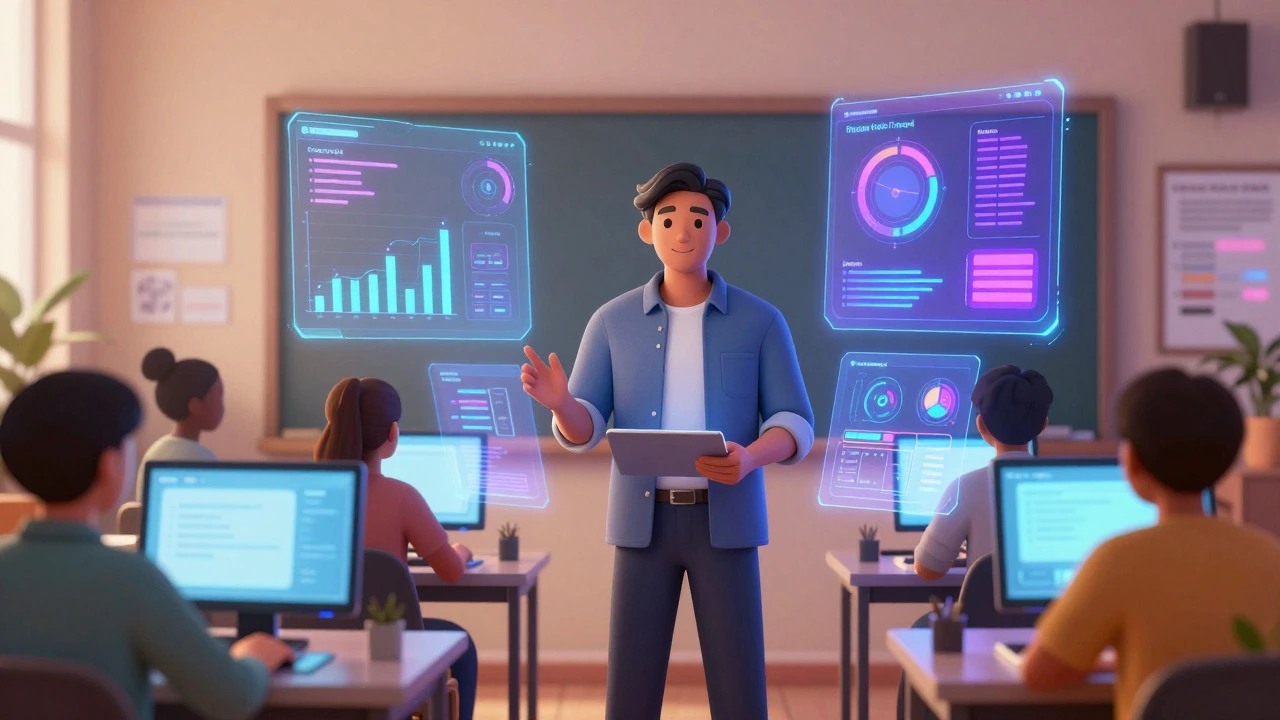
The landscape of teacher preparation is evolving. Digital literacy is now a core component. Candidates must learn to integrate technology meaningfully, not just as a gimmick. Tools like learning management systems, interactive whiteboards, and AI-driven analytics are becoming standard parts of the training curriculum.
There is also a growing emphasis on cultural responsiveness. Educators are being trained to recognize and address implicit biases, create inclusive classrooms, and honor students’ cultural backgrounds. This shift reflects a broader societal push for equity and justice in education.
Additionally, residency models are gaining popularity. Similar to medical residencies, these programs pair candidates with master teachers for a full academic year before they assume full responsibility. Early data suggests that teachers from residency programs stay in the profession longer and perform better than those from traditional tracks.
How long does student teacher training last?
The duration varies by program and state, but typically ranges from eight to sixteen weeks for the final practicum. Some residency models extend this to a full academic year. Prior to this, candidates accumulate hundreds of hours of field experience throughout their degree program.
Do student teachers get paid?
In most cases, student teachers are unpaid because they are still enrolled in a degree program. However, some districts and universities offer stipends or tuition waivers. Residency programs sometimes provide a salary since the candidate is working full-time as part of the school staff.
What is the difference between a mentor teacher and a university supervisor?
A mentor teacher is a practicing educator in the school who provides daily guidance and feedback. A university supervisor is a faculty member who visits periodically to evaluate progress against academic standards and mediate any issues. Both roles are essential for comprehensive support.
Can I become a teacher without student teaching?
Traditional certification requires student teaching. However, alternative certification pathways exist for individuals with bachelor’s degrees in other fields. These programs often include a shorter, intensive practicum component rather than a full-year student teaching placement.
How do I find a student teaching placement?
Most university programs assign placements in partnership with local school districts. Candidates rarely choose their own schools initially. However, expressing preferences regarding grade level, subject area, or location can help coordinators match you with suitable opportunities.