Online Tutoring Cost Estimator
Why does a thirty-minute math session cost $50 when you can buy a textbook for less? It’s a question that keeps parents up at night and makes students hesitate before booking their first lesson. As we move through 2026, the debate over online tutoring pricing isn’t just about affordability-it’s about value, quality, and how the digital classroom has fundamentally changed what we pay for.
You might assume that because online tutoring removes the need for travel, physical classrooms, and printed materials, prices should have plummeted. Yet, if you browse platforms like Wyzant or Varsity Tutors today, you’ll see rates that often match or even exceed traditional in-person sessions. Is this fair? Should online tutoring be cheaper? The answer depends on who is teaching, what platform they use, and whether you’re paying for convenience or expertise.
The Hidden Costs Behind the Screen
It’s easy to look at a Zoom call and think there are no overhead costs. After all, the tutor is sitting at home. But the reality of running a professional tutoring business in 2026 involves significant expenses that don’t always translate into lower prices for you.
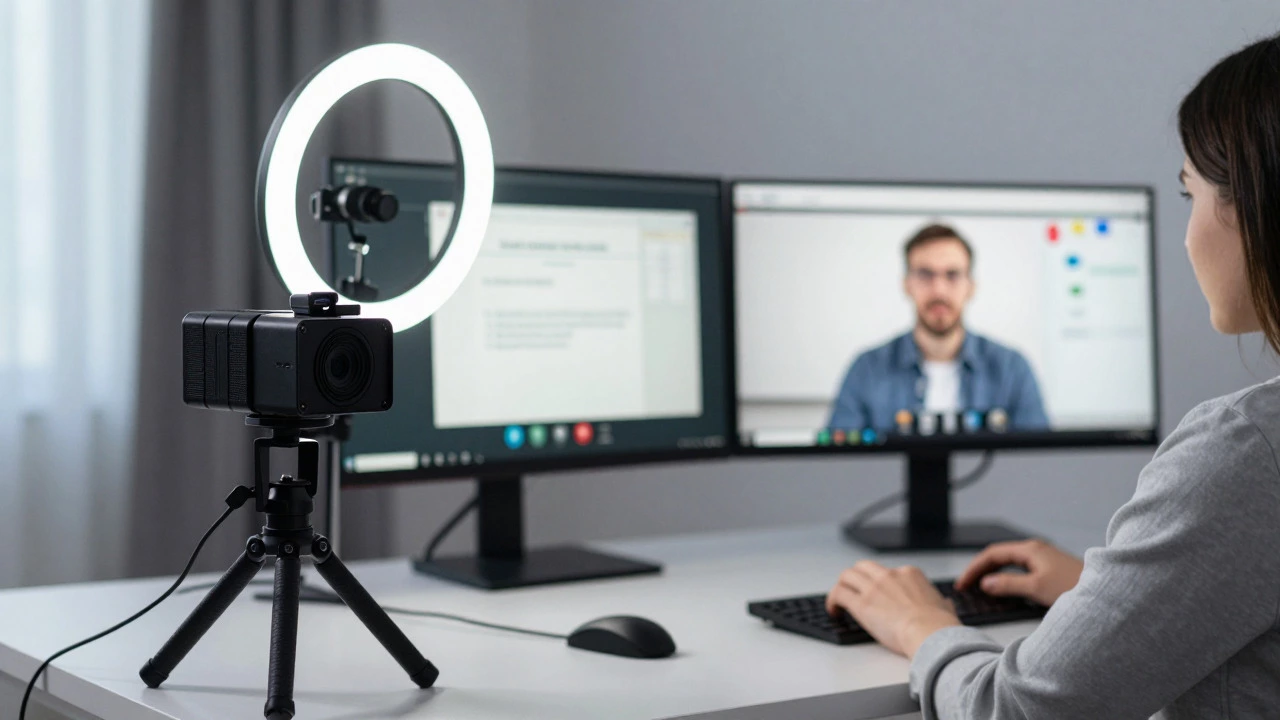
Digital Infrastructure is the technological backbone required to deliver seamless online education. This includes high-speed internet redundancy, professional-grade webcams, microphones, and lighting setups that ensure clarity. A tutor charging $40 an hour isn’t just paying for their time; they are amortizing the cost of this equipment. Furthermore, many tutors subscribe to premium software suites. Tools like Zoom Pro is a video conferencing service offering cloud recording and larger meeting capacities or interactive whiteboards like Miro is an online collaborative whiteboard platform used for visual teamwork and brainstorming carry monthly fees that add up quickly.
Then there is the issue of platform commissions. If you book through a major aggregator, the platform typically takes a cut ranging from 20% to 50%. This means if you pay $100, the tutor might only see $50. To maintain a livable wage, tutors must keep their hourly rates high. This structure explains why "cheap" options often come with hidden trade-offs, such as less experienced instructors or rigid scheduling systems.
Supply, Demand, and the Expertise Gap
Economics plays a huge role here. The supply of qualified tutors hasn’t kept pace with the demand for specialized, one-on-one instruction. In 2026, parents aren’t just looking for someone to help with homework; they want experts who can navigate complex curricula like Common Core standards or prepare students for AP exams.
Consider the difference between a college student tutoring basic algebra and a certified teacher with ten years of experience. The former might charge $20-$30 per hour, while the latter commands $60-$100. Online platforms have democratized access, allowing a tutor in rural Ohio to teach a student in New York City. However, this geographic expansion doesn’t necessarily lower the price of high-quality instruction. Instead, it increases competition among top-tier educators, keeping their rates firm.
If online tutoring were significantly cheaper, we might see a drop in quality. Experienced educators would leave the market for more lucrative opportunities, leaving beginners to handle complex subjects. You get what you pay for, especially in education where personalized feedback is critical.
| Tutoring Model | Average Hourly Rate | Quality Consistency | Platform Fees |
|---|---|---|---|
| Peer-to-Peer Platforms (e.g., Preply) | $15 - $30 | Variable | Low (10-15%) |
| Aggregator Marketplaces (e.g., Wyzant) | $40 - $80 | High | Medium (20-30%) |
| Premium Agencies (e.g., Kumon Online) | $60 - $120+ | Very High | High (Included in rate) |
| University Peer Programs | $20 - $40 | Moderate | None/Low |

The Convenience Premium: Are We Paying for Flexibility?
One reason online tutoring remains expensive is the premium placed on flexibility. In a pre-pandemic world, hiring a tutor meant coordinating schedules, dealing with traffic delays, and managing cancellations due to weather. Today, you can book a session at 7 PM on a Tuesday or 9 AM on a Saturday without anyone missing work or school.
This convenience has immense value. For working parents, the ability to drop a child into a virtual session during lunch breaks or after extracurricular activities saves hours of logistical stress. Companies know this, and they price accordingly. You are not just paying for the math lesson; you are paying for the frictionless experience.
However, this raises a valid point: should convenience justify high costs? For some families, yes. For others, it creates a barrier to entry. This is where alternative models emerge. Group tutoring sessions, for instance, offer a middle ground. By splitting the cost among three or four students with similar needs, you can reduce individual expenses by up to 60% while still benefiting from expert instruction.
AI and the Future of Affordable Tutoring
Looking ahead, artificial intelligence is poised to disrupt the tutoring economy. AI-driven platforms like Khanmigo or Century Tech offer personalized learning paths at a fraction of the cost of human tutors. These tools can provide instant feedback, explain concepts in multiple ways, and adapt to a student’s pace 24/7.
Will AI replace human tutors entirely? Probably not. Human connection, empathy, and motivation remain crucial elements of effective learning. However, AI will likely push the price of basic academic support down significantly. Imagine a hybrid model where an AI handles routine practice and concept explanation, freeing up human tutors to focus on complex problem-solving and emotional support. This could make high-quality tutoring accessible to a broader audience.
In 2026, we are already seeing early signs of this shift. Some platforms offer tiered pricing: a low-cost AI-assisted option for daily practice and a higher-priced human tutor for weekly check-ins. This approach balances affordability with personalization, potentially solving the dilemma of whether online tutoring should be cheaper.

How to Find Affordable Quality Without Compromising
If you’re feeling the pinch of high tutoring rates, there are strategies to find better value without sacrificing educational outcomes. First, consider community resources. Many public libraries and local schools offer free or low-cost online tutoring programs funded by grants or government initiatives.
Second, look for university-based programs. Colleges often have peer tutoring centers where graduate students tutor K-12 students for course credit or minimal fees. These tutors are highly knowledgeable and motivated to build their resumes.
Third, negotiate package deals. Most independent tutors are willing to offer discounts if you commit to a block of hours upfront. Buying ten sessions instead of paying per visit can reduce your hourly rate by 10-20%. Always ask-many tutors won’t mention these discounts unless prompted.
Finally, evaluate the necessity of one-on-one instruction. Sometimes, a well-chosen online course combined with occasional doubt-clearing sessions with a tutor is more cost-effective than continuous hourly lessons. Platforms like Coursera or edX offer structured content that can supplement tutoring efforts.
Conclusion: Value Over Price
So, should online tutoring be cheaper? Ideally, yes, to ensure equitable access to education. But in practice, the current pricing reflects the real costs of technology, expertise, and convenience. Rather than demanding lower prices across the board, consumers should focus on finding the right fit for their specific needs and budget.
As the industry evolves with AI integration and new business models, we may see a bifurcation: premium human-led tutoring for specialized needs and affordable AI-assisted learning for general support. Until then, being informed about the factors driving costs will help you make smarter decisions and maximize the return on your educational investment.
Is online tutoring cheaper than in-person tutoring?
Not necessarily. While online tutoring eliminates travel costs, many platforms charge similar or higher rates due to platform fees, technology investments, and the premium on scheduling flexibility. However, you can find cheaper options by using peer-to-peer platforms or university programs.
What is the average cost of online tutoring in 2026?
The average cost ranges from $30 to $80 per hour, depending on the subject, tutor's experience, and platform. Basic subjects like English or Math tend to be on the lower end, while specialized test prep (SAT, ACT) or advanced sciences command higher rates.
Are there free online tutoring options available?
Yes. Many public libraries, non-profit organizations, and school districts offer free online tutoring services. Additionally, some AI-powered platforms provide basic features for free, though premium personalized support usually requires a subscription.
Does cheaper online tutoring mean lower quality?
Often, yes. Lower-priced tutors may be students or beginners with less teaching experience. However, mid-range options can still provide high-quality instruction, especially if you verify credentials and read reviews carefully. Group tutoring is also a way to reduce costs without losing quality.
How can I save money on online tutoring?
You can save money by purchasing bulk session packages, opting for group tutoring, using university peer programs, or combining AI learning tools with occasional human tutor check-ins. Negotiating rates directly with independent tutors can also yield discounts.