
Defiance vs. Distress Decoder
Select the scenario that best matches your child's current behavior.
The "Fight or Flight" Reaction
Child covers ears, screams, hides, or refuses to enter a loud/busy place (store, classroom).The "Frozen" Transition
Child stops moving, stares blankly, or freezes when asked to switch tasks (e.g., stop playing to eat).The Frustrated Explosion
Child throws things or hits when something breaks, doesn't work, or they can't explain what they want.Analysis & Action Plan
Select a scenario on the left to see the hidden cause and immediate strategy.
It starts with the shoes. Or maybe it’s the broccoli. One minute your child is calm, and the next, they are screaming, throwing themselves on the floor, or refusing to move an inch. If you have a special needs child who exhibits defiant behavior that disrupts daily routines and family life, this feeling of walking on eggshells is all too familiar. You might wonder if you are failing as a parent. You aren’t. The truth is, defiance in children with developmental differences is rarely about being "bad." It is usually a form of communication, a reaction to overwhelm, or a struggle with executive function.
Understanding why this happens is the first step toward changing how you react. When we shift our perspective from punishment to support, we stop fighting the behavior and start solving the problem behind it. This guide breaks down the hidden triggers of defiance and offers concrete, compassionate strategies to restore peace and build cooperation.
The Hidden Reasons Behind "Defiance"
We often label behavior as defiant when a child says no, refuses instructions, or acts out. However, for a child with Autism Spectrum Disorder (ASD) or ADHD, what looks like stubbornness is often a neurological barrier. Before you can address the behavior, you need to identify the root cause. Most experts agree that there are three primary drivers of challenging behavior in neurodivergent children.
Sensory Overload is a major culprit. Imagine wearing noise-canceling headphones that suddenly turn into megaphones, while someone shines a bright light in your eyes and touches your arm with a sticky substance. For many children with sensory processing issues, a busy classroom or a loud grocery store feels exactly like this. Their brain cannot filter out background noise, so their nervous system goes into fight-or-flight mode. Refusing to enter a room isn't defiance; it's self-preservation.
Executive Function Deficits make transitions incredibly difficult. Tasks that seem simple to you, like switching from playing video games to doing homework, require complex mental steps: stopping one activity, organizing materials, and initiating a new task. Children with ADHD or learning disabilities often lack the mental flexibility to do this quickly. The refusal is not a choice; it is a temporary inability to process the change.
Communication Frustration leads to explosive reactions. If a child has language delays or non-verbal traits, they may not have the words to express hunger, pain, or anxiety. When they cannot make you understand, they act out. A tantrum over a broken cracker isn't about the cracker; it’s about the frustration of having needs that go unmet because they cannot be articulated.
Immediate De-escalation Techniques
When the storm hits, logic does not work. You cannot reason with a brain that is in survival mode. Your goal in the moment is not to teach a lesson but to keep everyone safe and help the nervous system regulate. Here are practical steps to take during a meltdown.
- Lower Your Stimuli: Dim the lights, lower your voice, and remove other people from the immediate area. Reducing sensory input helps prevent the situation from escalating further.
- Stay Calm and Neutral: Your anxiety feeds their anxiety. Speak in short, simple sentences. Instead of saying, "Why are you doing this? Stop it right now!", try, "I see you are upset. I am here. We will wait until you feel better."
- Offer Space, Not Confinement: Traditional time-outs can feel like rejection to a child with attachment or social anxiety. Instead, create a "calm-down corner" equipped with weighted blankets, fidget toys, or noise-canceling headphones. Invite them to use it, but do not force them.
- Wait for the Wave to Pass: Meltdowns follow a curve: buildup, peak, and crash. Do not try to talk them down during the peak. Wait until their breathing slows and their body relaxes before attempting any discussion.
Remember, consistency is key. If you sometimes give in to the demands made during a meltdown, you inadvertently teach your child that escalation works. Hold the boundary gently but firmly: "We are not buying candy today. I know you are sad. I will sit with you until you are ready to leave the store."

Building Long-Term Cooperation
Once the immediate crisis is over, the real work begins. Prevention is always easier than intervention. By adjusting your environment and communication style, you can reduce the frequency of defiant episodes significantly.
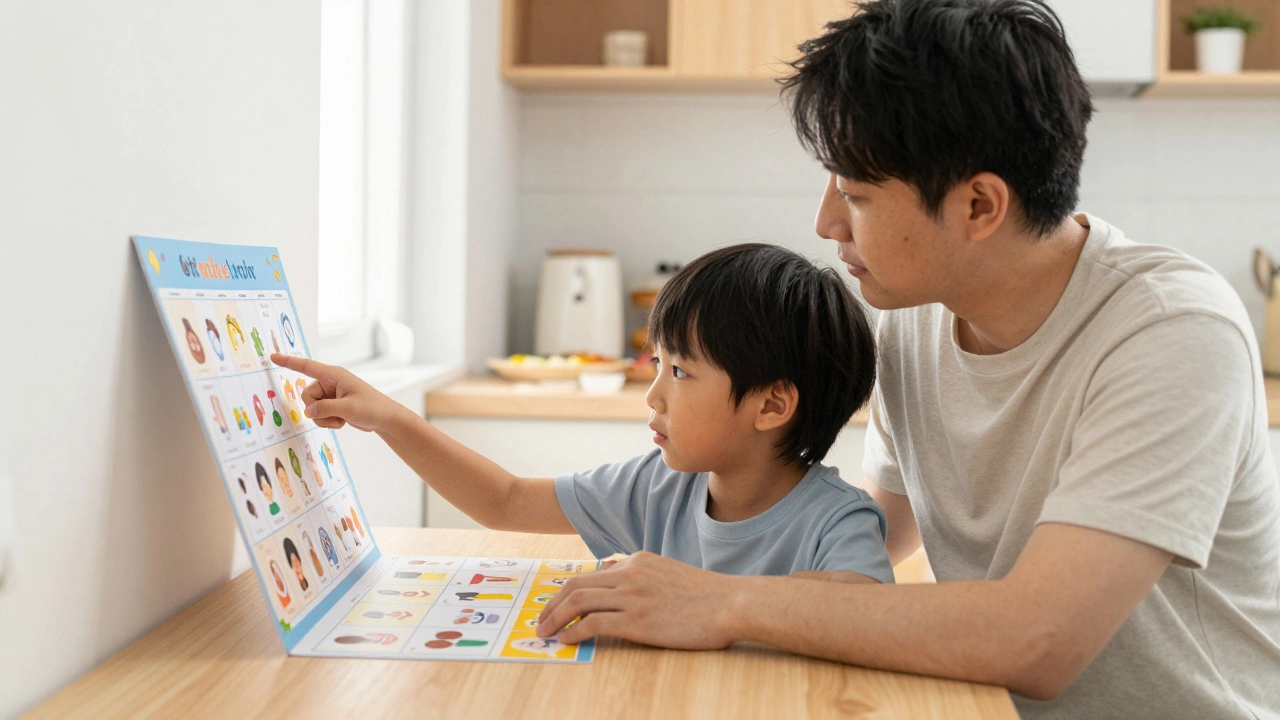
Visual Schedules and Social Stories are powerful tools. Children with autism or anxiety thrive on predictability. Use visual charts to show the order of daily activities. A picture of brushing teeth followed by a picture of pajamas removes the ambiguity of "what comes next." Social stories-short, personalized narratives that explain expected behaviors-help prepare your child for new situations, like visiting the doctor or meeting a new teacher.
Positive Reinforcement focuses on what you want to see, not what you don’t. Catch your child being good. If they put away their toys without being asked, immediately acknowledge it: "I noticed you cleaned up your blocks. That was very helpful!" Specific praise reinforces neural pathways associated with cooperative behavior. Consider using a token economy system where earning stars or points leads to a preferred activity, such as extra screen time or a trip to the park.
Teach Emotional Vocabulary. Help your child name their feelings. Use emotion cards or apps to identify anger, sadness, frustration, and excitement. When a child can say, "I am frustrated because I can’t tie my shoe," they are less likely to kick the table. Practice this when everyone is calm, not in the heat of the moment.
Comparison of Behavioral Approaches
| Strategy | Best For | Key Benefit | Potential Pitfall |
|---|---|---|---|
| Punishment/Time-Out | Deliberate safety risks | Quick compliance | Increases anxiety; damages trust |
| Positive Reinforcement | Building new habits | Strengthens desired behavior | Requires consistent tracking |
| Visual Supports | Anxiety & Transitions | Reduces uncertainty | Takes time to set up initially |
| Sensory Accommodation | Meltdowns & Overwhelm | Prevents escalation | May look like "giving in" to others |
When to Seek Professional Help
Parenting a child with special needs is exhausting. There is no shame in asking for help. In fact, seeking professional guidance is a sign of strength and advocacy. You should consider reaching out to specialists if:
- The behavior poses a risk of harm to your child, yourself, or others.
- Defiance interferes with school attendance or social relationships.
- You feel overwhelmed, depressed, or unable to cope with daily stress.
- Basic strategies have been tried consistently for several weeks with no improvement.
A Behavioral Analyst (BCBA) can conduct a Functional Behavior Assessment (FBA) to determine the specific function of the behavior. An occupational therapist can assess sensory needs and recommend accommodations. A pediatrician can rule out medical issues like sleep apnea, gastrointestinal pain, or medication side effects that might manifest as irritability.
Supporting Your Own Well-being
You cannot pour from an empty cup. Parent burnout is real, especially in the special needs community. If you are constantly reacting to crises, you lose the patience needed for proactive parenting. Prioritize your own mental health. Connect with other parents who understand your journey. Join local support groups or online communities. Take breaks when possible, even if it’s just ten minutes of quiet time after your child goes to bed.
Remember, progress is not linear. Some days will be harder than others. Celebrate small victories. Did your child tolerate a haircut without crying? That’s a win. Did they use words instead of hitting? That’s huge. Keep a journal of these moments to remind yourself of the growth happening beneath the surface.
Is defiance in special needs children intentional?
Rarely. Most defiant behavior stems from sensory overload, communication barriers, or executive function challenges. The child is often trying to cope with overwhelming stimuli or unmet needs rather than deliberately disobeying.
What is the difference between a tantrum and a meltdown?
A tantrum is goal-oriented; the child wants something and knows they can get attention or items through acting out. A meltdown is a loss of control due to overwhelm. During a meltdown, the child is not aware of their surroundings and cannot be reasoned with.
How can I handle defiance at school?
Collaborate with teachers and special education staff. Ensure your child’s Individualized Education Program (IEP) includes behavioral supports. Share successful home strategies with the school team to maintain consistency across environments.
Are time-outs effective for autistic children?
Traditional time-outs can be harmful as they isolate the child when they need support. Instead, use a "time-in" approach where you stay nearby to help them regulate, or offer a designated calm-down space with sensory tools.
When should I consult a doctor about behavior?
Consult a doctor if behavior changes suddenly, involves self-harm, aggression towards others, or if basic interventions fail. Medical issues like ear infections, allergies, or sleep disorders can mimic behavioral problems.