Online Learning Readiness Checker
Answer these questions honestly to see if you fit the profile of a successful online learner as described in the article.
Your Online Learning Profile
You’ve probably heard the hype: online learning is the future. It’s flexible, it’s cheap, and you can do it in your pajamas. But if you’ve ever tried to finish a Coursera certificate or stick with a Zoom class while your kids scream in the background, you know it’s not that simple. The truth is, online learning isn’t a magic bullet for everyone. It works brilliantly for some people and absolutely crushes others.
So, who actually wins when you move the classroom to the cloud? Is it the busy parent? The career-switcher? Or maybe the introvert who hates public speaking? Let’s cut through the marketing fluff and look at who genuinely benefits from distance learning, and more importantly, why they thrive where traditional students might fail.
The Self-Directed Learner Who Hates Waiting
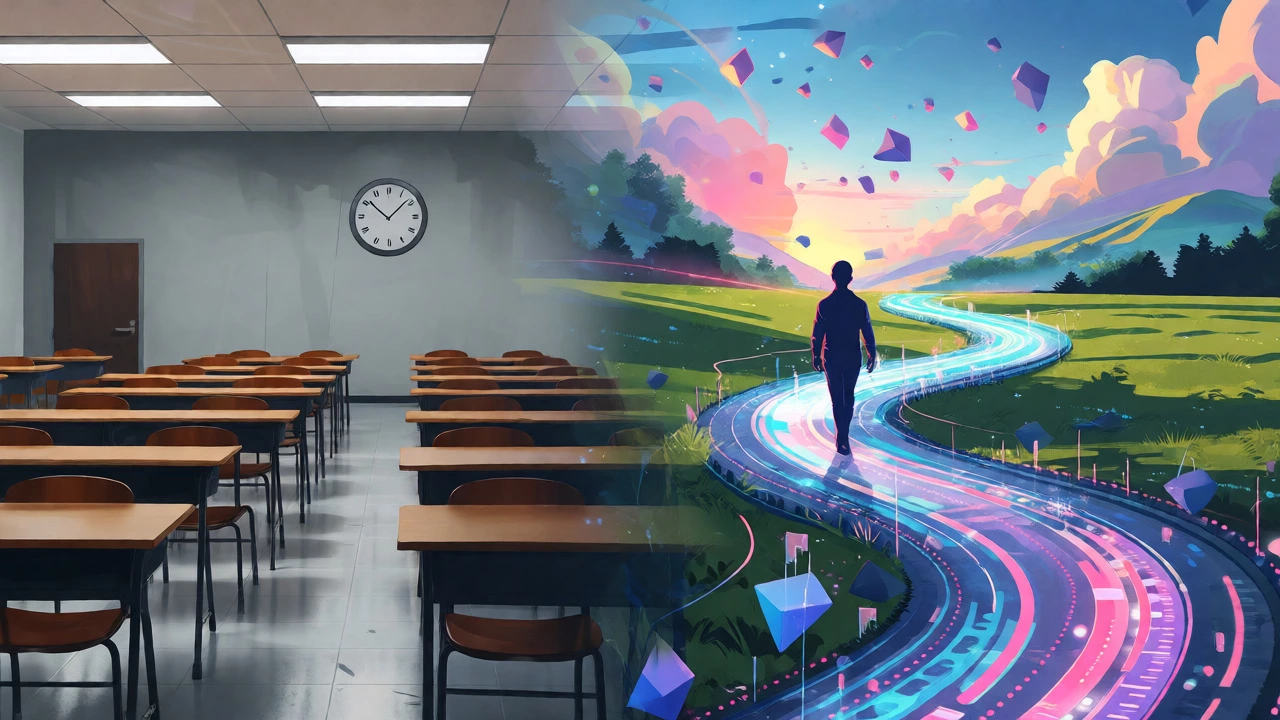
If you’re the type of person who finishes reading a chapter before the teacher even starts explaining it, traditional school feels like a prison sentence. You’re stuck waiting for the slowest person in the room to catch up. For these learners, self-paced study is a superpower.
Platforms like Udemy or Khan Academy let you speed through what you already know and pause on the hard stuff. You don’t have to raise your hand to ask for a replay. You just rewind. This autonomy reduces frustration and keeps momentum high. If you have strong executive function skills-the ability to plan, start, and finish tasks without someone hovering over you-you will likely outperform your peers in an online setting. You control the pace, so you control the progress.
Career Switchers Needing Specific Skills Fast
Let’s say you’re a marketer wanting to learn Python, or a nurse trying to understand healthcare data analytics. You don’t need a four-year degree. You need specific, actionable knowledge right now. Traditional universities are often too broad and too slow for this kind of targeted upskilling.
Micro-credentials and bootcamps shine here. They strip away the general education requirements and focus purely on job-ready skills. A recent report from LinkedIn showed that professionals who completed short-term online certifications were 30% more likely to get hired for new roles within six months compared to those who didn’t. If your goal is immediate employability rather than academic prestige, online platforms offer a direct route that brick-and-mortar schools simply can’t match in speed or cost.
Geographically Isolated Students
Not everyone lives near a major university hub. If you live in rural Vermont, Alaska, or a small town in the Midwest, your local options might be limited to community colleges with narrow course catalogs. Maybe there’s no professor specializing in astrophysics or ancient history nearby.
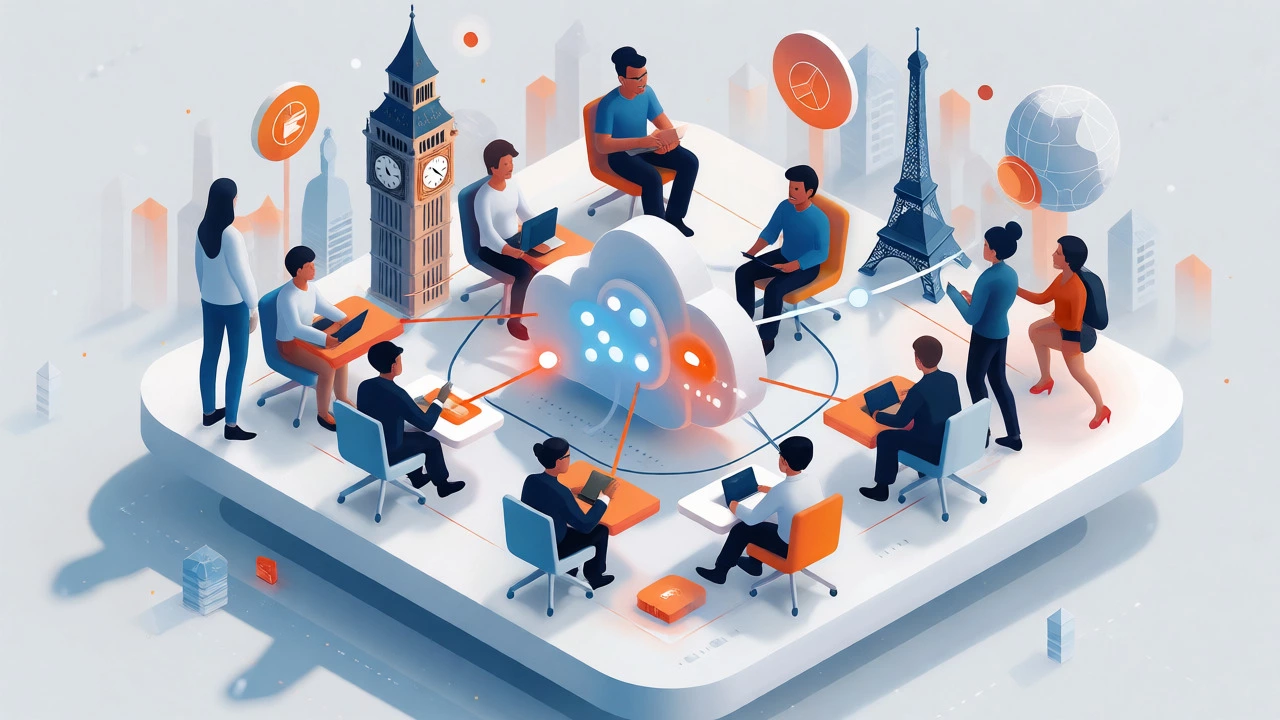
Online learning erases geography. A student in Burlington can take a course from MIT or Oxford without moving a muscle. This access is transformative for people who want specialized knowledge but lack local infrastructure. It democratizes education by decoupling quality instruction from location. If you’re hungry for niche subjects that aren’t offered locally, the internet is your library card.
Working Professionals Balancing Jobs and Study
For adults with full-time jobs, attending evening classes after a nine-hour shift is exhausting. Commuting eats up precious hours that could be spent sleeping or spending time with family. Online asynchronous courses solve this logistical nightmare.
You can watch lectures during your lunch break, do assignments late at night, or cram during weekend mornings. This flexibility allows working professionals to earn degrees or certificates without quitting their jobs. According to the National Center for Education Statistics, over 50% of graduate students now enroll in programs that are entirely or predominantly online, largely driven by working adults. If you need to keep your income steady while upgrading your qualifications, online formats are designed exactly for you.
Introverts and Social Anxiety Sufferers
Classrooms can be loud, chaotic, and socially draining. For people with social anxiety or autism spectrum disorders, the pressure to participate in real-time discussions can be paralyzing. You might know the answer but freeze up because ten pairs of eyes are staring at you.
Online forums and discussion boards provide a safer space. You have time to think, draft, and edit your responses before hitting send. There’s no fear of interrupting or being interrupted awkwardly. Many introverted learners report higher participation rates in online settings because the medium removes the immediate social threat. If you process information better internally and prefer written communication, you’ll likely find your voice louder online than in a lecture hall.
Who Should Be Careful?
It’s not all sunshine and screens. Some people really struggle. If you need external structure, deadlines imposed by others, and face-to-face accountability, you might drop out. Procrastination is the silent killer of online courses; completion rates for MOOCs (Massive Open Online Courses) often hover around 5-15%. If you rely on peer pressure to get things done, you’ll miss that energy.
Also, hands-on trades don’t translate well. You can’t learn welding or surgery via Zoom alone. While VR is improving, tactile feedback is hard to digitize. If your field requires physical practice, online theory needs to be paired with in-person labs.
Comparison: Traditional vs. Online Learning Profiles
| Feature | Traditional Classroom | Online Learning |
|---|---|---|
| Pace | Fixed schedule set by institution | Flexible, often self-paced |
| Social Interaction | High, immediate, unstructured | Low to Medium, delayed, structured |
| Cost | High (tuition + housing + commute) | Lower (no housing, often lower tuition) |
| Discipline Required | Moderate (external enforcement) | High (internal motivation) |
| Best For | Hands-on trades, networking-heavy fields | Tech skills, theory, career switchers |
Key Takeaways
- Self-discipline is non-negotiable: Without a teacher checking your homework daily, you must manage your own time strictly.
- Specific goals win: People learning one specific skill (like coding or SEO) succeed more often than those pursuing vague "education."
- Isolation is real: You lose spontaneous networking. You have to actively build communities online if you want connections.
- Hybrid is emerging: Many successful learners use online resources for theory and local meetups for practice.
Frequently Asked Questions
Do employers respect online degrees?
Yes, generally. Major employers like Google, Amazon, and IBM accept degrees from accredited online universities. However, they value the skills demonstrated more than the delivery method. If you have a portfolio or projects to back up your degree, the format matters less.
Is online learning cheaper than college?
Usually, yes. You save on housing, commuting, and meal plans. Tuition itself can be lower, especially at state universities offering online versions of their degrees. However, beware of hidden costs like reliable internet and computer hardware upgrades.
How do I stay motivated without classmates?
Set micro-goals. Instead of "finish the course," aim for "complete module one by Friday." Join Discord servers or Reddit communities related to your subject. Accountability partners help too-find a friend doing a similar course and check in weekly.
Can I network effectively online?
You can, but it takes effort. You won’t bump into people in the hallway. You need to attend virtual office hours, contribute meaningfully to discussion boards, and reach out directly to instructors or peers on LinkedIn. Intentional networking beats passive proximity.
What technical skills do I need?
Basic digital literacy is essential. You should be comfortable managing files, using email, navigating web browsers, and troubleshooting minor tech issues. If you struggle with technology, consider taking a short digital literacy course first.