Behavior Decoder: Stubbornness or Sensitivity?
How it works: Select the behavior you're observing below. The tool will analyze whether it's more likely driven by Sensory/Cognitive Rigidity or Behavioral Defiance, and suggest the most effective response strategy.
Resists Changing Clothes
Refuses to put on a different shirt or remove current one despite instruction
Panics About Route Changes
Distressed when commute, walking path, or travel route is altered
Rejects New Foods/Textures
Only eats specific foods, refuses new items or mixed textures
Struggles With Transitions
Resists moving from one activity/task to another, especially abruptly
Upset When Environment Changes
Distressed when furniture, seating, or room layout is rearranged
Overwhelmed By Noise/Light
Covers ears, leaves room, or shuts down in loud/bright environments
Argues To Get Desired Item
Negotiates, complains, or argues specifically to obtain something wanted
Eye-Rolling / Passive-Aggression
Shows visible annoyance, sighs loudly, or gives attitude when told to do something
Tests Boundaries Repeatedly
Pushes limits of rules to see what happens, especially when tired or bored
Imagine a child who refuses to eat dinner because the fork is wrong. Or an adult who panics when their commute route changes by one street. To observers, this looks like stubbornness. But for many people on the autism spectrum, it is something entirely different. It is often a response to a world that feels unpredictable, noisy, or physically uncomfortable. Understanding this distinction is crucial for parents, teachers, and partners who want to reduce conflict and build trust.
Autism Spectrum Disorder (ASD) is a neurodevelopmental condition characterized by differences in social communication, restricted interests, and repetitive behaviors. While "stubbornness" is not a clinical symptom listed in diagnostic manuals, the behaviors that look like stubbornness are deeply rooted in how autistic brains process information. This isn't about willfulness; it's about predictability and sensory comfort.
The Difference Between Defiance and Rigidity
To understand why these behaviors happen, we have to separate two concepts: defiance and rigidity. Defiance implies a choice to go against authority or logic. Rigidity, however, is a cognitive style. An autistic person may prefer routines because they provide a sense of safety. When a routine is disrupted, the brain perceives it as a threat, triggering a stress response similar to fear or anger.
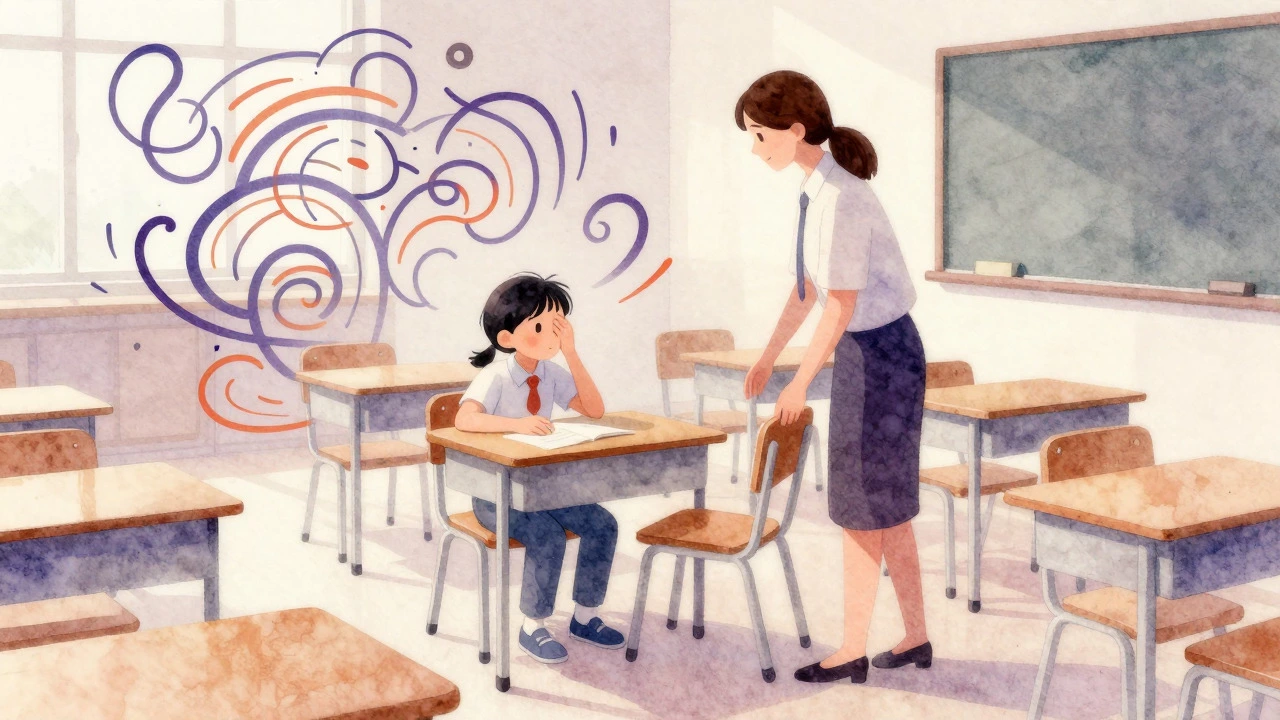
Consider a student in a classroom. If the teacher suddenly moves the desk, a neurotypical student might shrug and adapt. An autistic student might become distressed because their mental map of the room has changed. They aren't being difficult; they are recalibrating their environment. This preference for consistency is known as Rigidity of Behavior, which refers to the strong preference for sameness and resistance to change in daily activities.
Sensory Processing and the Root Cause
A huge driver of what looks like stubbornness is Sensory Processing Sensitivity, which involves heightened or reduced responses to stimuli such as sound, light, texture, and smell. Many autistic individuals experience the world with amplified intensity. A tag on a shirt might feel like sandpaper. Fluorescent lights might buzz loudly enough to cause pain.
If you tell someone wearing a scratchy shirt to take it off, but they haven't noticed the discomfort yet, they might resist. Once they do notice it, they might refuse to put it back on, no matter how much you insist. This isn't a power struggle. It's a physical reality. The "stubborn" refusal is actually a logical decision based on their sensory input. Supporting this means validating their experience rather than forcing compliance.
Cognitive Flexibility and Executive Function
Beyond senses, there is the matter of how the brain handles transitions. Executive Function is the set of mental skills that helps us get organized, stay focused, remember details, and juggle multiple tasks successfully. For many autistic people, shifting from one task to another requires significant cognitive energy. This is sometimes called "transition difficulty."
Think of it like switching channels on a TV, but instead of clicking a button, you have to manually rewire the circuitry. If you force the switch too quickly, the system crashes. In educational settings, this manifests as a child refusing to leave the playground because the transition to indoor class feels abrupt and overwhelming. Providing visual schedules or advance warnings can bridge this gap, reducing the need for the individual to "fight" the change.
Strategies for Parents and Educators
How do we navigate this without creating power struggles? The key is collaboration, not control. Here are practical approaches that work well in homes and schools:
- Offer Choices: Instead of saying "Wear the blue shirt," say "Do you want the blue shirt or the green one?" This gives a sense of agency while keeping the outcome within acceptable limits.
- Use Visual Supports: Picture schedules or timers make abstract time and upcoming changes concrete. Seeing the next step reduces anxiety about the unknown.
- Validate Feelings: Acknowledge that change is hard. Saying "I know it’s tough to stop playing now, but we have to go home" validates their perspective before introducing the requirement.
- Create Predictable Routines: Consistency in mealtimes, bedtimes, and daily tasks lowers the baseline stress level, making unexpected changes less shocking.
In Special Needs Education, a field focused on supporting students with disabilities through tailored curricula and environments, these strategies are foundational. Teachers trained in this area learn to distinguish between a behavior maintained by attention versus one maintained by escape from sensory overload. Treating a sensory issue as a behavioral problem is a common mistake that leads to ineffective interventions.
When Is It Actually Stubbornness?
Does true stubbornness exist in autism? Yes, but it is rarer than we think. Sometimes, an autistic person simply disagrees with a rule. Just like anyone else, they have preferences, opinions, and boundaries. If a parent insists on a hairstyle the child hates, the child might resist. This is normal human autonomy, not necessarily a symptom of ASD.
The challenge lies in distinguishing between a sensory/cognitive barrier and a genuine preference. If the resistance disappears when the sensory trigger is removed (e.g., the scratchy tag is cut out), it was likely sensory. If the resistance remains even after accommodations, it might be a matter of personal choice or executive fatigue. Context is everything.
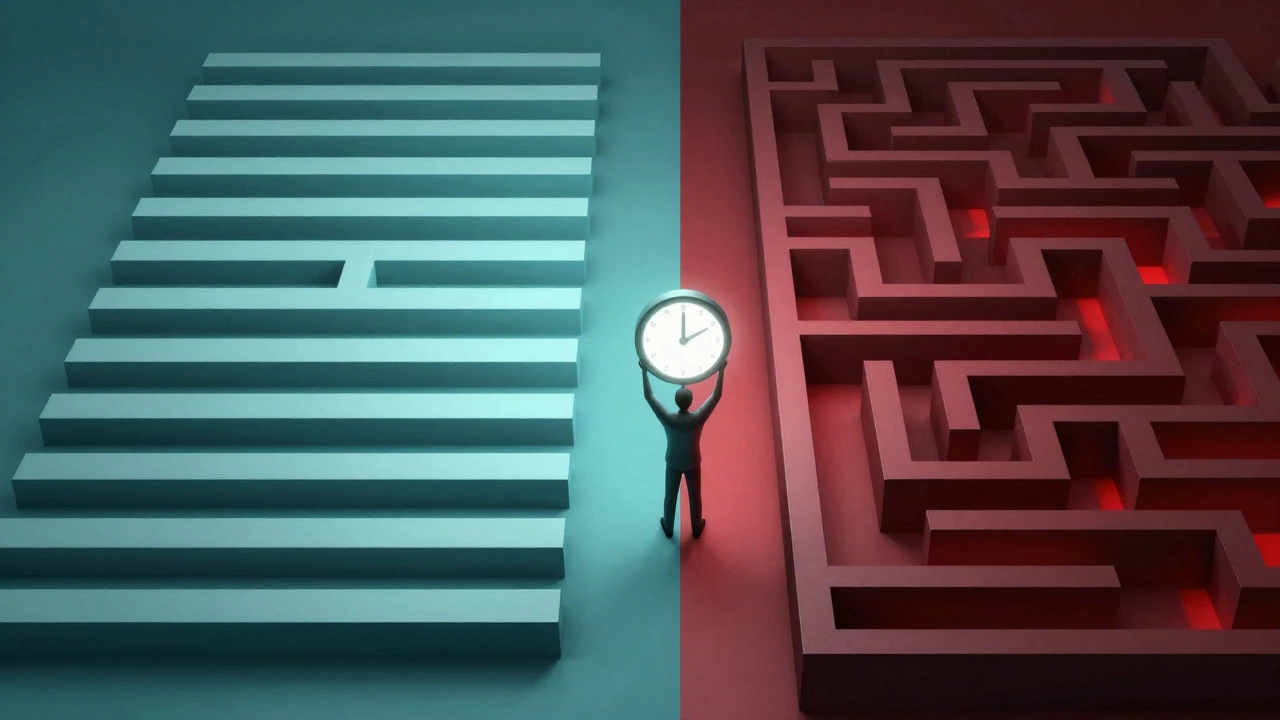
| Feature | Sensory/Cognitive Rigidity | Behavioral Defiance |
|---|---|---|
| Trigger | Change, noise, texture, unpredictability | Desire for control, testing limits |
| Response | Meltdown, shutdown, rigid refusal | Argument, eye-rolling, passive-aggression |
| Resolution | Accommodation, prediction, calm environment | Clear boundaries, natural consequences |
| Underlying Need | Safety, comfort, predictability | Autonomy, attention, fairness |
Building a Supportive Environment
Creating a supportive environment starts with empathy. When we view "stubbornness" through the lens of neurodiversity, we stop seeing problems and start seeing needs. An autistic person who sticks to a specific brand of cereal isn't being irrational; they are seeking a consistent taste and texture that provides comfort in a chaotic world.
For educators, this means designing classrooms that minimize unnecessary sensory input. For parents, it means picking battles wisely. Not every preference needs to be challenged. Saving energy for important rules allows for more flexibility in minor areas. This balance fosters a relationship built on mutual respect rather than constant negotiation.
Frequently Asked Questions
Is stubbornness a diagnostic criterion for autism?
No, stubbornness is not a direct diagnostic criterion. However, restricted and repetitive patterns of behavior, which include insistence on sameness and inflexible adherence to rules, are part of the diagnosis. What looks like stubbornness is often a manifestation of these core traits.
Why do autistic people hate changes in routine?
Changes in routine disrupt the predictable structure that helps manage anxiety and sensory load. The brain has to expend extra energy to process new information, which can lead to overwhelm, meltdowns, or rigid resistance to the change.
How can I help my child transition between activities?
Use visual timers, give advance warnings (e.g., "5 minutes left"), and allow for a short wind-down period. Making transitions predictable and visible reduces the shock of change and makes them easier to accept.
Is it okay to let an autistic person keep their rituals?
Yes, if the ritual does not interfere with safety or essential life functions. Rituals often serve as self-regulation tools. Allowing them can reduce overall stress and improve cooperation in other areas.
What is the difference between a meltdown and a tantrum?
A tantrum is usually goal-oriented (to get something) and stops when the demand is met. A meltdown is an involuntary response to overwhelm, where the nervous system shuts down or overreacts. Meltdowns require calming and space, not negotiation.