First Tutoring Session Simulator
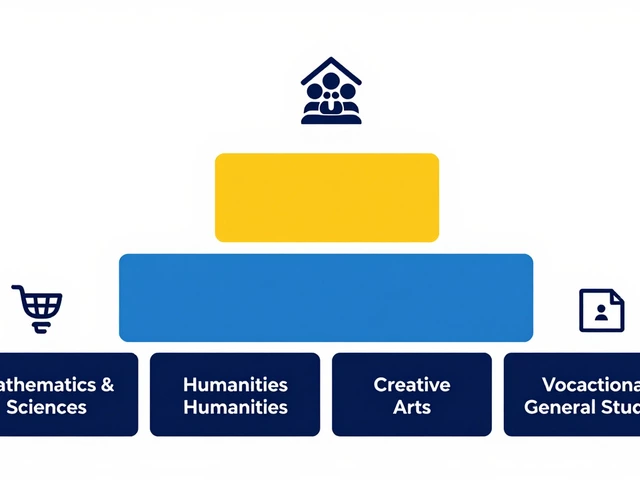
Session Progress
Pre-game checklist
Build rapport
Set the rules
Assess level
Deliver value
Feedback & Next Steps
Before you log on, you need to ensure you are fully prepared. Check off these critical items:
- Reviewed student's pain points/syllabus
- Prepared one diagnostic question
- Tested microphone and camera
- Digital whiteboard ready (Miro/Zoom)
It's time to break the ice. You want to find common ground to make the student feel safe.
You need to set clear boundaries and methods without being rigid.
Avoid formal tests. Use informal diagnostics to gauge understanding.
The student needs a "Quick Win" to build confidence by the halfway point.
Student Task: Solving a simple algebra equation.
They keep making sign errors.
Wrap up the session. Summarize achievements and assign light homework.
Simulation Complete!
0%
Readiness Score
That knot in your stomach? It’s normal. You’ve booked the session, you know the material, but now it’s time to actually sit down with a stranger (or their child) and teach. Most new tutors worry about looking incompetent or wasting the client's money. The truth is, students don’t expect you to be a perfect encyclopedia on day one. They expect you to be organized, kind, and clear.
Your first tutoring lesson isn't really about teaching complex calculus or Shakespearean sonnets. It’s about building trust. If you nail the relationship and the logistics in that first hour, the actual learning will follow naturally. Here is exactly how to handle that initial meeting so both you and your student walk away feeling successful.
The Pre-Game: Preparation Before You Log On
You might think preparation starts when the timer hits zero, but it actually begins days before. If you show up unprepared, the student senses it immediately. This undermines your authority before you even say hello.
Start by reviewing any information the parent or student sent you. Did they mention specific pain points? Are they struggling with algebra concepts like quadratic equations, or are they just bored in class? Knowing this allows you to tailor your opening questions. Instead of asking "What do you want to learn?" which can be overwhelming, ask "I saw you mentioned trouble with fractions; let’s look at a problem together." Specificity shows care.
Check your technology. If you are tutoring online via Zoom or Google Meet, test your microphone and camera. Nothing kills momentum faster than five minutes of technical troubleshooting while the student gets frustrated. Have a digital whiteboard ready-tools like Miro or even the built-in annotation features in Zoom are essential. If you are meeting in person, arrive ten minutes early to set up your materials and ensure the environment is quiet.
- Review the syllabus: Look at what the student is currently covering in school.
- Prepare a diagnostic question: Have one simple problem ready to gauge their current level.
- Test your tech: Ensure audio and video are crisp.
Breaking the Ice: Building Rapport Fast
The first ten minutes are critical. If you jump straight into math problems, you risk creating anxiety. Students, especially younger ones, need to feel safe before they can take the intellectual risks required to learn. This is where rapport comes in.
Start with casual conversation. Ask about their interests. Do they play video games? Soccer? Draw? Finding a common ground humanizes you. For example, if a student loves Minecraft, you can use block-building analogies to explain volume or area later in the session. This small connection makes you memorable and approachable.
If you are working with a parent present, acknowledge them but keep the focus on the student. Smile, make eye contact, and use the student’s name frequently. It sounds simple, but many tutors forget this basic psychological trigger. Using someone’s name validates their presence and keeps them engaged.
Setting Expectations: The Rules of Engagement
Once the ice is broken, you need to establish how your sessions will work. Ambiguity leads to conflict later. Be clear but friendly about your boundaries and methods.
Explain your process. Tell the student, "Here is how we usually spend our time: we’ll check homework, review what was hard in class, and then practice some new skills." This structure provides comfort. Students often feel lost because they don’t know what to expect from a tutor. Giving them a roadmap reduces anxiety.
Discuss communication preferences. Will you send weekly updates to parents? How should the student reach you if they have a quick question between sessions? Setting these norms early prevents misunderstandings. For instance, clarify that you respond to emails within 24 hours, not instantly. This protects your personal time while ensuring the family feels supported.
| Topic | Why It Matters | Example Script |
|---|---|---|
| Schedule & Punctuality | Respects everyone's time | "We start at 4 PM sharp so we get the full hour. If you're running late, text me!" |
| Homework Policy | Clarifies responsibility | "Please bring your completed homework. We'll review mistakes, not just finish tasks." |
| Communication | Manages parent expectations | "I'll email your mom a summary after each session so she knows how you did." |

The Diagnostic Phase: Assessing Without Judging
Now comes the academic part. You need to understand the student’s current level, but you don’t want to put them through a formal test. That’s intimidating. Instead, use informal diagnostics.
Ask the student to explain a concept they recently learned. Say, "Teach me what you learned about photosynthesis today." Listening to their explanation reveals gaps in understanding better than any multiple-choice quiz. If they stumble, don’t correct them immediately. Probe gently: "What happens next in that process?" This Socratic method encourages critical thinking rather than rote memorization.
Also, observe their study habits. Do they have a notebook open? Are they taking notes? Do they seem disorganized? These observations help you tailor future lessons. Maybe the real issue isn’t biology; it’s that they don’t know how to organize their study materials. Addressing meta-skills like organization can be just as valuable as content knowledge.
Delivering Value: The "Quick Win"
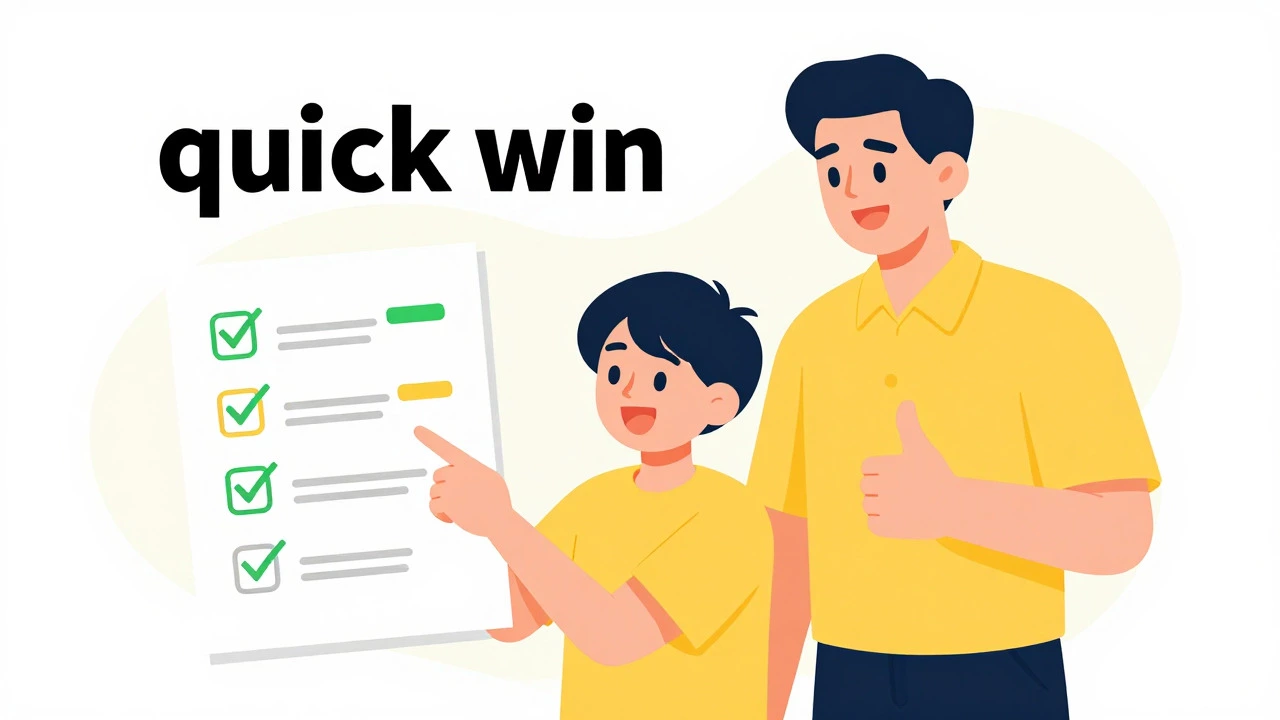
By the halfway point of the first lesson, the student needs to feel smarter than they did an hour ago. This is called a "quick win." It builds confidence and proves your worth.
Pick a concept they find difficult but manageable. Break it down into tiny steps. Use visual aids if possible. For example, if tutoring math, use color-coded markers to separate variables. If tutoring writing, highlight strong sentences in green and areas for improvement in yellow. Positive reinforcement works wonders.
Celebrate small victories. When they solve a problem or articulate a complex idea, acknowledge it specifically. "Great job spotting that error in the equation!" Specific praise feels more genuine than generic "Good job" comments. It shows you are paying attention to their effort.
Closing the Loop: Feedback and Next Steps
The last ten minutes are for wrapping up. Don’t rush off. Summarize what you covered and what the student achieved. This reinforces learning and gives the student a sense of accomplishment.
Assign a small, achievable task for the next session. It shouldn’t be overwhelming. Maybe it’s reading one article or practicing five math problems. The goal is consistency, not burnout. Explain why you chose this task. "Practicing these five problems will help solidify the rule we just discussed."
Finally, gather feedback. Ask the student, "What was the hardest part today? What felt easy?" Then, if a parent is present, share your impressions. Highlight strengths first, then mention areas for growth. Frame challenges as opportunities. "She has great intuition for geometry, but we need to work on showing her work step-by-step so she doesn’t lose points on exams." This collaborative tone positions you as a partner in their education, not just a service provider.
Common Pitfalls to Avoid
Even experienced tutors make mistakes in the first session. Here are three common traps to avoid:
- Talking too much: Remember, the student should be doing 70% of the talking and working. You are the guide, not the lecturer.
- Ignoring emotions: If a student seems frustrated or tired, address it. Pushing through frustration without empathy leads to shutdowns.
- Over-promising: Don’t guarantee an A+ grade. Grades depend on many factors. Promise progress, clarity, and support instead.
Avoid jargon. If you’re tutoring advanced physics, don’t assume the student knows every term. Define acronyms and concepts clearly. Simplicity is sophistication.
Adapting to Different Age Groups
Your approach must shift based on who you are tutoring. A high schooler expects professionalism and directness. An elementary student needs energy, patience, and frequent breaks.
For younger kids, incorporate movement. Stand up, stretch, or use physical objects to demonstrate concepts. For teenagers, respect their autonomy. Ask for their input on goals. "What do you want to achieve by midterms?" Giving them ownership increases motivation.
Adult learners are different again. They are often self-motivated but time-poor. Get straight to the point. Focus on practical application. If they’re learning English for business, skip the grammar drills and focus on email writing and presentation skills. Efficiency is key for adult clients.
How long should my first tutoring lesson be?
Aim for 60 minutes. This gives enough time to build rapport, assess the student's level, deliver some value, and set expectations without causing fatigue. Shorter sessions may feel rushed, while longer ones can overwhelm a new student.
What if the student doesn't know anything about the topic?
Start from the very basics. Use analogies related to their interests. Don't be discouraged; everyone starts somewhere. Your job is to build a foundation, not cover the entire curriculum in one session.
Should I assign homework after the first lesson?
Yes, but keep it light. Assign 10-15 minutes of practice to reinforce what you discussed. The goal is to build a habit, not to burden the student. Make sure the task is achievable to boost confidence.
How do I handle a disruptive student in the first session?
Stay calm and curious. Ask why they are acting out. Often, disruption masks boredom or fear. Redirect their energy by involving them in the lesson physically or verbally. Set clear, kind boundaries if the behavior continues.
What tools do I need for online tutoring?
You need a stable internet connection, a good webcam, and a headset with a microphone. Software-wise, Zoom or Google Meet is standard. For teaching, use a digital whiteboard like Miro, Jamboard, or the annotation tools built into your video platform.