Online School Anxiety Fit Assessment
Answer the following questions to evaluate which learning environment might reduce stress and improve focus for your child.
Imagine your child waking up with a racing heart before the school bus arrives. For many families, this is the daily reality of generalized anxiety disorder in children. You might wonder if switching to online school is the solution or just another stressor. The answer isn't a simple yes or no. It depends entirely on whether the digital environment reduces specific triggers like social pressure and sensory overload, or if it introduces new ones like isolation and screen fatigue.
Distance learning has evolved significantly since the pandemic era. Today, it offers structured virtual classrooms, hybrid models, and fully asynchronous options. For a child with anxiety, the right setup can provide a safe harbor where they can learn at their own pace without the fear of public speaking or navigating crowded hallways. However, without proper boundaries, the home can become a place of constant performance rather than rest. This guide breaks down the real-world impacts of remote education on young minds with high stress levels.
The Core Benefits: Why Virtual Learning Helps Some Anxious Kids
For students who struggle with social situations, virtual classroom environments remove several major anxiety triggers. In a traditional brick-and-mortar setting, a child must manage eye contact, group projects, and unpredictable social dynamics all day long. In a well-designed online program, these interactions are often controlled. The student can choose when to unmute their microphone, use text chat to process thoughts before speaking, and take short breaks without needing to explain themselves to a teacher standing in front of them.
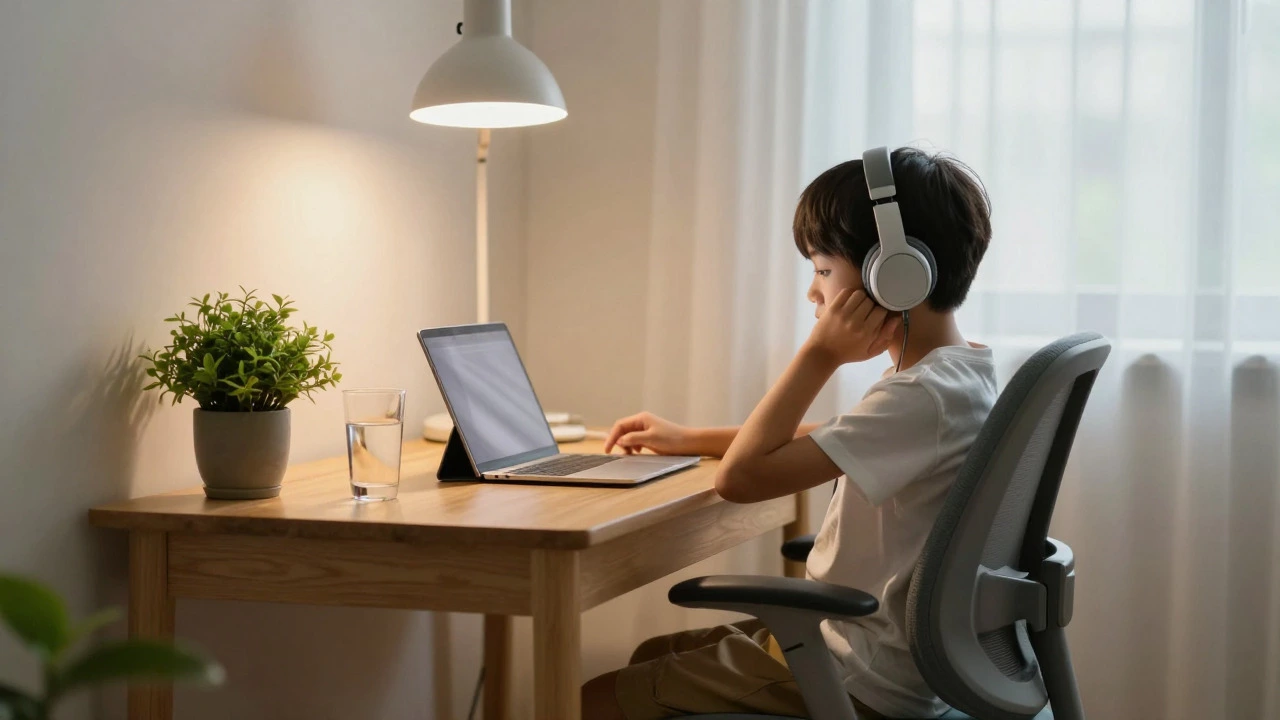
Sensory overload is another significant factor. Many children with anxiety also have heightened sensitivity to noise, lighting, and movement. A busy school hallway or a noisy cafeteria can be exhausting. At home, the environment is customizable. Parents can control the lighting, use noise-canceling headphones, and set up a quiet, dedicated study space. This environmental control allows the nervous system to stay in a calmer state, making it easier to focus on lessons rather than managing physical discomfort.
- Reduced Social Pressure: No need to perform in front of peers during impromptu presentations.
- Pace Control: Students can pause videos or re-read materials without feeling rushed.
- Safe Environment: The home base feels secure compared to the unpredictability of a large campus.
The Hidden Risks: When Screen Time Fuels Isolation
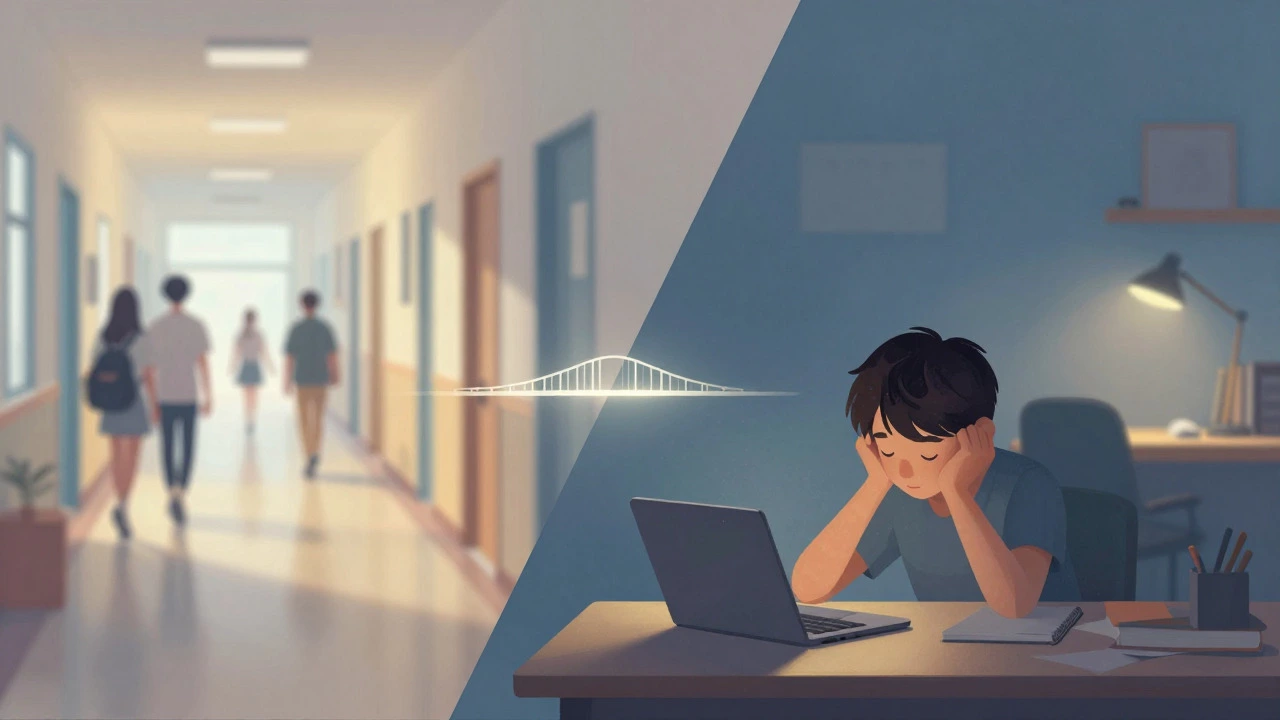
While the benefits are clear, ignoring the downsides can backfire. One of the biggest risks of full-time remote education is social isolation. Children with anxiety often avoid social situations because they feel unsafe, but avoiding them entirely can reinforce the fear. If a child only interacts through a small video window, they may miss out on the non-verbal cues and spontaneous play that build resilience.
There is also the issue of blurred boundaries. In a traditional school, there is a clear start and end time. Once the bell rings, school is over. With online school, the laptop is always in the house. This can lead to "digital homework creep," where students feel they should be studying even during dinner or bedtime. For an anxious child, this lack of separation between work and life can increase cortisol levels throughout the day. They never truly switch off, which keeps their body in a state of low-grade alertness.
Furthermore, technical glitches can trigger panic. A frozen camera, a dropped connection, or a confusing interface can turn a calm morning into a stressful ordeal. Unlike a teacher who can help you log in at school, at home, the burden of technical troubleshooting often falls on the parent or the child, adding friction to the learning process.
Hybrid Models: The Middle Ground for Balance
Many experts suggest that a pure online model is rarely the best fit for every child with anxiety. Instead, a hybrid learning approach often provides the best balance. This model splits the week between in-person attendance and remote days. For example, a child might attend school two days a week for core subjects and social interaction, while completing specialized or advanced coursework from home on the other three days.
This structure offers the social grounding needed to prevent isolation while providing regular periods of low-stress learning. It allows the child to build confidence in small doses. On in-person days, they practice coping skills in a real-world setting. On remote days, they can retreat to their safe space to process those experiences. This rhythm helps normalize both environments, preventing either one from becoming a source of dread.
| Model Type | Social Exposure | Environmental Control | Best For |
|---|---|---|---|
| Traditional School | High / Uncontrolled | Low | Kids with mild anxiety who thrive on routine and peer support |
| Full Online School | Low / Controlled | High | Kids with severe social phobia or sensory processing issues |
| Hybrid Model | Moderate / Scheduled | Medium | Kids who need social contact but require frequent decompression time |
Creating a Calm Home Learning Space
If you decide to move toward more remote learning, the physical setup matters more than the curriculum. You don't need a fancy office; you need a space that signals safety. Start by choosing a corner of the room that faces away from distractions. Use soft, warm lighting instead of harsh overhead fluorescents. If possible, add some natural elements like a plant or a view of the outdoors, which has been shown to lower stress levels.
Establish a strict "shutdown ritual." Just as a child takes off their backpack at the door after school, they should close their laptop and put it away at a specific time each day. This physical action tells the brain that the workday is over. Keep the workspace free of clutter, as visual chaos can subconsciously increase anxiety. Limit notifications on devices to essential academic alerts only, so the phone doesn't buzz constantly during study time.
Involving Teachers and Therapists
You shouldn't navigate this transition alone. Effective communication with educators is crucial. Ask teachers about their flexibility policies. Can deadlines be extended if a child has a bad anxiety day? Are there options for submitting work via audio or text instead of live video? Knowing these options exist beforehand reduces the fear of the unknown.
Simultaneously, keep the child's therapist in the loop. Cognitive Behavioral Therapy (CBT) techniques can be applied directly to the school context. For instance, if a child fears joining a breakout room, they can practice exposure exercises at home first. The therapist can help create a hierarchy of challenges, starting with low-stakes interactions and moving up to higher-pressure scenarios. This collaborative approach ensures that the educational strategy aligns with the mental health plan.
Signs It’s Working vs. Signs to Re-evaluate
How do you know if online school is actually helping? Look for changes in behavior outside of school hours. Is the child sleeping better? Are they engaging more in family activities? Are they expressing curiosity about topics again, rather than shutting down? These are positive indicators that the reduced pressure is allowing their mind to reset.
Conversely, watch for signs of increased withdrawal. If the child becomes irritable about any change in routine, avoids all social contact including with siblings, or complains of headaches and stomachaches specifically on remote days, it might be a sign that the isolation is taking a toll. Regular check-ins are essential. Ask open-ended questions like, "What was the hardest part of today?" rather than "Did you have a good day?" This invites honest feedback without putting the child on the spot.
Frequently Asked Questions
Does online school count towards graduation?
Yes, most accredited online schools offer curricula that align with state standards. Ensure the specific program is accredited by a recognized body like Cognia or WASC to guarantee credits transfer correctly to high school diplomas and college applications.
How much screen time is too much for an anxious child?
There is no universal number, but quality matters more than quantity. Aim for active engagement during lessons and limit passive scrolling. Break up long sessions with 10-minute movement breaks every hour to prevent cognitive fatigue and physical tension.
Can a child with ADHD also benefit from online school?
Often, yes. The ability to pause and replay content helps with processing speed, and the lack of classroom distractions can improve focus. However, executive function support is critical, so parents may need to assist with scheduling and task initiation.
What if my child hates being on camera?
Most platforms allow cameras to remain off. Encourage participation through chat boxes or shared documents. Gradually introduce camera usage in low-stakes settings, like one-on-one meetings with a trusted tutor, to build comfort level slowly.
Is online school cheaper than private therapy?
Not necessarily. While tuition varies, you still need to budget for technology, internet upgrades, and potentially hiring a learning coach or therapist. Compare total costs against the potential reduction in crisis interventions or missed school days due to illness or burnout.