Virginia School District Size Comparator
Select a Virginia school division to see how its size compares to others and what that means for student resources and community feel.
Fairfax County Public Schools
Rank #1 in Virginia
What This Means For You
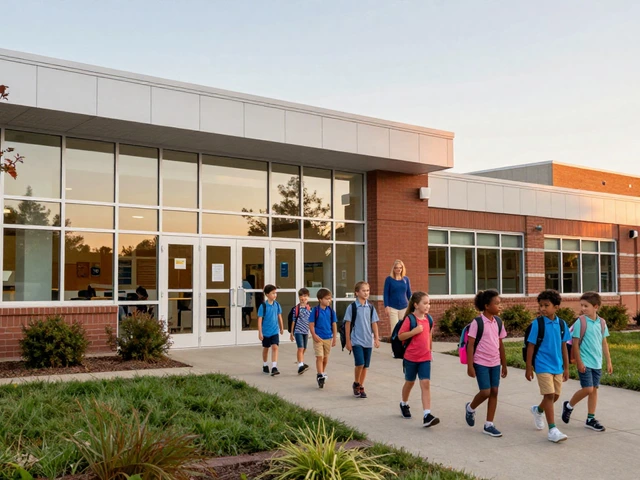
When people ask about the largest school system in Virginia, they are almost always talking about one specific entity: Fairfax County Public Schools (FCPS). This district isn't just the biggest in the Commonwealth; it is consistently ranked among the top ten largest school systems in the entire United States. If you are moving to Northern Virginia or simply curious about how education scales in a major metropolitan area, understanding FCPS is essential.
Why does this matter? Because size dictates resources, challenges, and opportunities. A district with over 180,000 students operates differently than a rural county with 2,000. It affects everything from bus routes and teacher hiring to technology infrastructure and college acceptance rates. Let’s break down exactly what makes Fairfax County Public Schools the giant of Virginia education, how it compares to its nearest rivals, and what parents actually need to know about navigating it.
The Scale of Fairfax County Public Schools
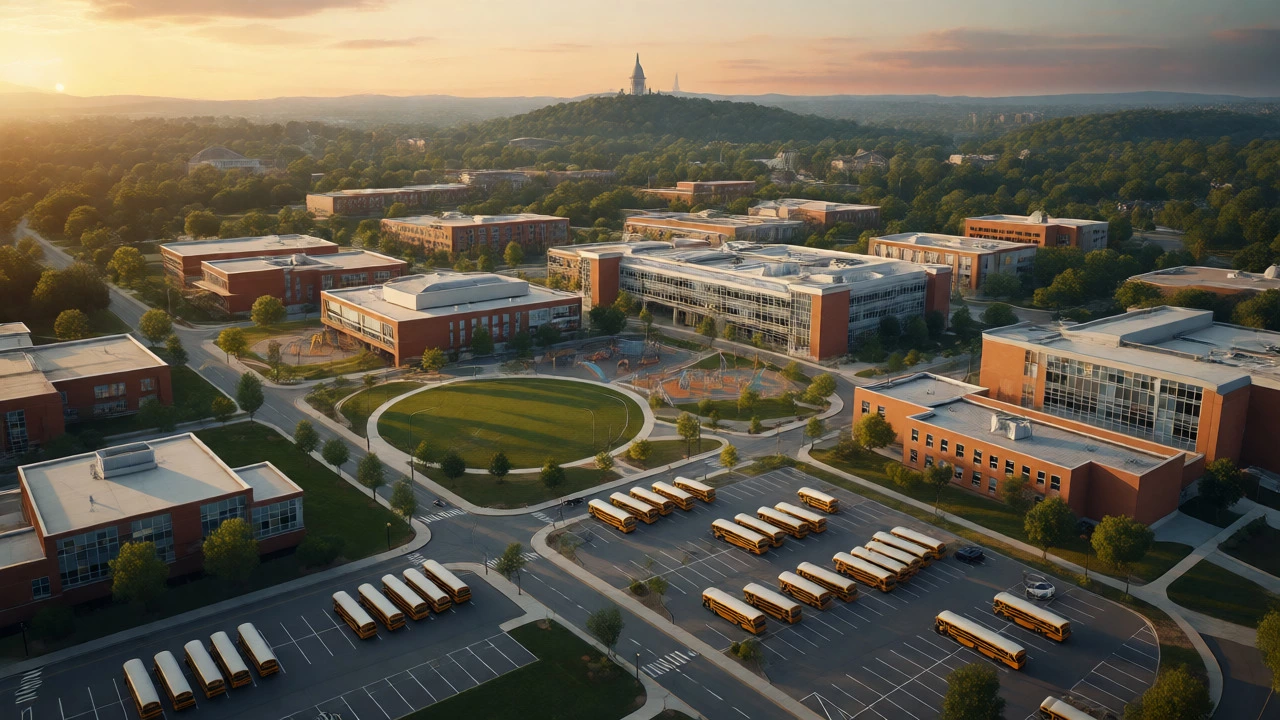
To grasp the magnitude of FCPS, you have to look at the numbers. As of the 2025-2026 academic year, the district serves approximately 183,000 students across 227 schools. That includes elementary, middle, and high schools, as well as specialized centers for early childhood and adult education. For context, that is more students than the entire state of Delaware has in public schools.
Fairfax County itself is the most populous jurisdiction in Virginia, located directly adjacent to Washington, D.C. The demographic pressure here is intense. The district employs over 20,000 staff members, including teachers, administrators, support personnel, and transportation crews. Managing a workforce this large requires a bureaucracy that can sometimes feel overwhelming to individual parents, but it also allows for a breadth of programming that smaller districts simply cannot offer.
Is FCPS growing? Yes, but slowly. After years of rapid expansion driven by suburban sprawl and international migration, enrollment has stabilized slightly due to housing market shifts and remote work trends. However, the density remains high. In some northern feeder patterns, schools operate near capacity, leading to ongoing debates about redistricting and boundary adjustments every few years.
Who Comes Second? Comparing Virginia’s Top Districts
While FCPS holds the title for largest, other Northern Virginia districts are close behind. It is crucial to distinguish between Loudoun County Public Schools (LCPS) and Prince William County Public Schools (PWCS). These two districts frequently swap places for second place depending on the year and whether you count total enrollment or active student bodies.
Loudoun County, known for its rapid development and tech-heavy demographics, typically serves around 90,000 to 95,000 students. Prince William County, which covers a larger geographic area including Manassas and Woodbridge, often reports similar numbers, hovering around 90,000. The competition for second place is tight because both counties experienced explosive growth in the 2010s and 2020s.
| Rank | School Division | Approx. Enrollment | Number of Schools | Key Characteristic |
|---|---|---|---|---|
| 1 | Fairfax County Public Schools | 183,000+ | 227 | Highest diversity, proximity to D.C. |
| 2 | Prince William County PS | 92,000 | 140+ | Rapid suburban growth, diverse demographics |
| 3 | Loudoun County Public Schools | 90,000 | 120+ | Affluent suburbs, high tech sector presence |
| 4 | Virginia Beach City Public Schools | 70,000 | 80+ | Coastal military families, tourism economy |
| 5 | Chesterfield County Public Schools | 60,000 | 100+ | Richmond metro suburb, traditional structure |
You might wonder why cities like Richmond or Norfolk aren’t higher up. Independent cities in Virginia, such as Richmond City Public Schools, operate separately from their surrounding counties. While significant, their enrollment numbers-typically between 20,000 and 25,000-are dwarfed by the massive suburban counties that surround them. This structural quirk of Virginia law means that "county" districts dominate the rankings.
What Makes FCPS Unique?
Size alone doesn’t tell the whole story. What sets Fairfax County Public Schools apart is its sheer variety of programs. With nearly 230 schools, FCPS offers an array of magnet programs, International Baccalaureate (IB) tracks, and career and technical education pathways that smaller districts struggle to fund.
For example, if your child is interested in aerospace engineering, FCPS partners with local industry giants and nearby community colleges to provide hands-on labs. If you prefer a classical education model, there are multiple IB World Schools within the district. This depth of choice is a direct result of economies of scale. A district with 180,000 students can afford to run niche programs that would be financially impossible for a district with 10,000 students.
Another critical factor is diversity. FCPS is one of the most ethnically diverse school systems in the country. Students come from over 180 countries, speaking more than 100 languages at home. This creates a rich cultural environment but also presents unique challenges for resource allocation, particularly regarding English Language Learner (ELL) services. The district spends significantly on translation services, bilingual staffing, and culturally responsive curriculum development.
Navigating the Bureaucracy: Practical Tips for Parents
If you are planning to enroll your child in the largest school system in Virginia, expect a learning curve. The administrative machinery is complex. Here are three concrete things to keep in mind:
- Boundary Maps Change Frequently: Do not assume your address feeds into the same school next year. FCPS updates attendance zones regularly based on enrollment projections. Always check the current map on the division website before signing a lease or closing on a house.
- Special Education Resources Are Robust But Overloaded: FCPS has extensive special education services, but wait times for evaluations can stretch longer than in smaller districts due to volume. Start the process early if you suspect your child needs support.
- Communication Can Be Slow: With thousands of students per high school, email responses from administration may take days. Building relationships with teachers directly during parent-teacher conferences is often more effective than relying solely on digital portals.
It is also worth noting that while FCPS is public, it has a strong culture of parental involvement. PTA groups are highly active and often fundraise for extras like music instruments, library books, or field trips. Being part of this network can help you navigate the system faster and advocate effectively for your child’s needs.
Challenges Facing Large Districts
No system is perfect, and being the largest comes with distinct headaches. One major issue is facility aging. Many of FCPS’s elementary schools were built in the 1960s and 1970s. While the county invests heavily in renovations, some buildings still suffer from outdated HVAC systems, cramped classrooms, or lack of modern science labs. Parents often find themselves advocating for capital improvement funds through bond referendums, a political process that moves slowly.
Teacher retention is another pressure point. While salaries in Northern Virginia are competitive nationally, the cost of living is extremely high. Teachers commuting from outside the county face long drives and high taxes. To combat burnout, FCPS has introduced mentorship programs and mental health supports, but turnover remains a challenge compared to less expensive regions.
Finally, equity gaps persist despite overall wealth. There is a noticeable achievement gap between different socioeconomic groups within the county. The district addresses this through targeted funding models, allocating more resources to schools with higher percentages of students from low-income households. However, critics argue that these measures haven’t closed the gap fast enough, keeping educational equity a hot-button topic in school board elections.

Beyond FCPS: Other Notable Mentions
While Fairfax County takes the crown, it is helpful to know who else is making waves. Henrico County Public Schools near Richmond is often cited as a hidden gem. It serves about 50,000 students and consistently ranks high for graduation rates and college readiness, proving that you don’t need to be the largest to be excellent.
Similarly, Albemarle County Public Schools, home to Charlottesville and the University of Virginia, punches above its weight in innovation. Their project-based learning approach has gained national attention. These districts show that while size brings resources, pedagogical philosophy often determines student success more than raw enrollment numbers do.
If you are looking for primary schools specifically, remember that elementary boundaries are the most volatile part of any large system. Unlike high schools, which have wider catchment areas, elementary schools feed strictly by neighborhood. In FCPS, this means walking distance matters enormously. Some neighborhoods have multiple elementary options feeding into one middle school, giving parents a slight bit of flexibility, but rarely much.
Final Thoughts on Choosing Your Path
So, is the largest school system in Virginia right for you? If you value diversity, access to specialized programs, and a wide range of extracurricular activities, Fairfax County Public Schools offers unparalleled opportunities. However, if you prefer a tighter-knit community where everyone knows your name, a smaller district like Henrico or a private alternative might feel more welcoming.
The key takeaway is that "largest" does not automatically mean "best." It means "most complex." Success in FCPS requires proactive parenting, clear communication, and a willingness to engage with the administrative side of schooling. Do your homework on specific school ratings, talk to current parents in the neighborhood, and visit the facilities if possible. The data tells you the size, but your personal experience will determine the fit.
Is Fairfax County Public Schools the largest in the US?
No, it is not the largest in the United States. While it is the largest in Virginia, districts like Miami-Dade County Public Schools in Florida and Los Angeles Unified School District in California are significantly larger. FCPS typically ranks within the top 10 nationally.
Which city in Virginia has the largest school system?
If counting independent cities, Virginia Beach City Public Schools is the largest. However, when including all jurisdictions, Fairfax County (a county, not a city) is far larger. Among traditional cities, Richmond and Norfolk have smaller systems compared to the suburban counties.
How many students attend Loudoun County Public Schools?
Loudoun County Public Schools typically enrolls between 90,000 and 95,000 students, making it the second or third largest school system in Virginia, closely competing with Prince William County Public Schools.
Are school boundaries fixed in Fairfax County?
No, boundaries are reviewed periodically by the School Board. Changes usually happen every few years to manage overcrowding or underutilization. Parents should always verify the current boundary map for their specific address before enrolling.
Does FCPS offer full-day kindergarten?
Yes, Fairfax County Public Schools provides free full-day kindergarten for all eligible residents. This was implemented to improve early literacy skills and align with best practices in early childhood education.